

Metribuzin returns as Illinois growers confront herbicide-resistant waterhemp

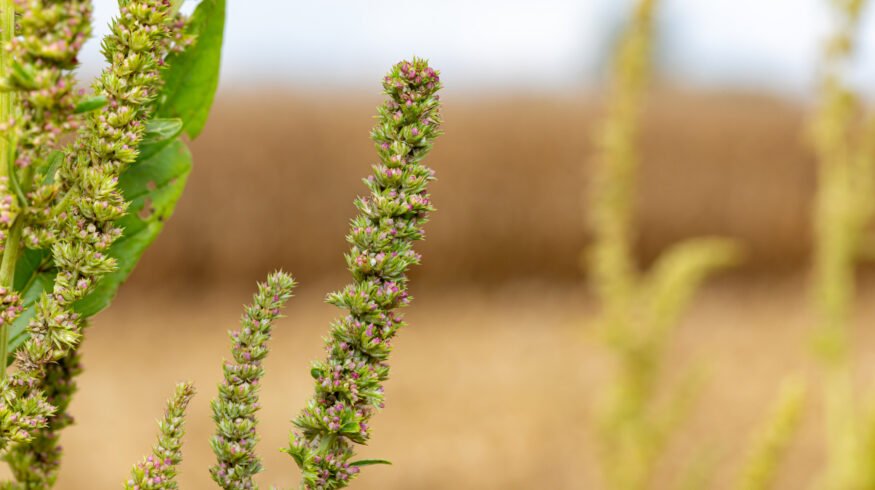

Metribuzin is reemerging as a potential tool against waterhemp as Illinois farmers face populations resistant to every postemergence herbicide site of action labeled for use in the state. University of Illinois researchers said the Group 5 herbicide remains effective against many waterhemp populations with metabolic resistance, a mechanism that allows weeds to rapidly break down certain chemicals before they become lethal. Although metabolically resistant plants can neutralize atrazine, metribuzin’s different chemical structure may allow it to retain activity, according to Caleb Wepprecht, field research herbicide manager at the university.
Metribuzin use declined after crop-injury problems in the 1980s and 1990s and the introduction of more flexible Group 15 residual herbicides. Improved application equipment and less-sensitive soybean varieties are now making the older chemistry more practical. University researchers recommend adjusting rates based on soil texture and organic matter, avoiding coarse soils with less than 2% organic matter and fields with a soil pH of 6.8 or higher. Metribuzin should also be combined with other herbicide groups because it controls waterhemp and Palmer amaranth but provides limited activity against grasses and large-seeded broadleaf weeds. Group 15 products can extend residual grass control, while Group 14 herbicides may be needed for species including velvetleaf, morningglory and cocklebur.
The renewed interest comes as Illinois researchers document weakening performance from other residual chemistries. Tests involving waterhemp collected across 84 counties found that nearly half of the sampled populations showed resistance or substantially reduced sensitivity to Group 15 herbicides. In University of Illinois corn plots, metribuzin provided about 95% waterhemp control 28 days after application, compared with roughly 30% for atrazine, although metribuzin caused 5% to 10% crop injury in the latest trials. Researchers said the findings support metribuzin’s inclusion in diversified weed-control programs rather than its use as a stand-alone treatment.
Sources: Prairie Farmer

Enjoyed this story?
Every Monday, our subscribers get their hands on a digest of the most trending agriculture news. You can join them too!







Discussion0 comments