

Nitrogen fertilizer prices stay high despite lower natural gas costs, puzzling farmers and analysts



U.S. nitrogen fertilizer prices have remained stubbornly elevated even as the natural gas costs that typically drive them have declined from their winter peaks, creating what analysts are calling a nitrogen price paradox. Anhydrous ammonia, the most widely used nitrogen source for Midwest corn production, averaged $915.50 per ton in Illinois as of early August — 16% above the same point last year — despite Henry Hub natural gas settling well below its spring highs.
Gas accounts for 70% to 90% of variable production costs at a typical nitrogen plant, so historically, nitrogen fertilizer prices track gas with a lag of several weeks to months. That relationship has broken down in 2026. RFD News reported in early August that structural factors beyond feedstock costs are keeping nitrogen prices elevated, including the loss of roughly 4 to 4.5 million metric tons of urea from traded supply due to the Strait of Hormuz blockade, reduced global ammonia export availability and high domestic utilization rates at U.S. nitrogen plants.
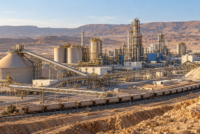
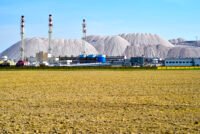
CF Industries, the largest U.S. nitrogen producer, noted on its Q2 earnings call that its plants ran at essentially full capacity throughout the quarter, with product largely pre-sold. Nutrien reported a 25% year-over-year decline in nitrogen volumes as its Trinidad operations remained offline, further tightening domestic availability. With producers operating at or near capacity limits and global trade flows disrupted, the gas-to-nitrogen price pass-through mechanism that normally corrects elevated margins has stalled.
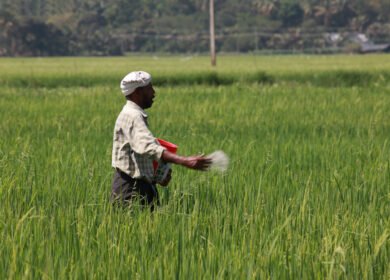
For farmers, the nitrogen price paradox complicates budgeting for the 2027 crop year. Lower gas prices have not translated into the fertilizer savings growers expected, and analysts at the University of Illinois warn that elevated nitrogen costs could persist even if a partial Hormuz reopening restores some seaborne trade. The concentration of nitrogen production capacity among a handful of companies, now under active USDA scrutiny, is also part of the conversation.
Source: RFD News

Enjoyed this story?
Every Monday, our subscribers get their hands on a digest of the most trending agriculture news. You can join them too!




Discussion0 comments