

Brazil phosphate shortage deepens as sulfur squeeze idles plants and H1 deliveries fall 5.4%

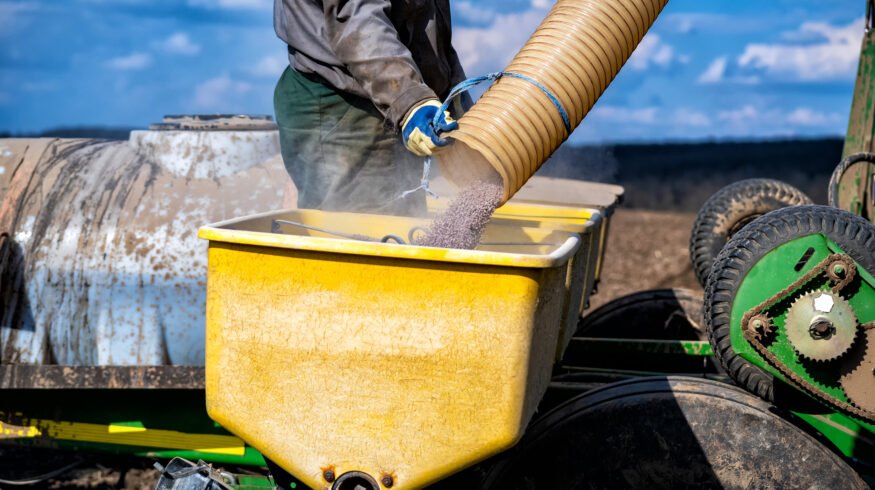

A Brazil phosphate shortage is lifting production costs for farmers ahead of the 2026/27 planting season, as tight supply, high raw material costs and logistics risks push buyers to secure inventory early.
Fertilizer deliveries to Brazil’s domestic market fell 5.4% year on year in the first half of 2026, to 19.02 million tonnes from 20.11 million tonnes. Phosphates are the main concern because farmers have few quick substitutes when supply routes are disrupted.
Sulfur is the pressure point. It is a key input for phosphoric acid and for MAP, SSP and TSP, and rising costs have already idled some production capacity in Minas Gerais and Goiás. Global sulfur prices topped $1,000 per tonne earlier this month as Hormuz disruption and Russian export cuts removed a large share of traded supply.
External options are also narrower. China has restricted exports of some phosphate fertilizers, so Brazilian importers are turning to alternative suppliers, including purified MAP from Morocco, and favoring product that has already cleared customs. In Mato Grosso and other key regions, pricier phosphates are raising the cost of growing soybeans and corn.
The squeeze mirrors global benchmarks, with DAP holding at $915–935 per tonne. Watch whether early buying pulls forward demand and leaves Brazil’s phosphate market thinner in the fourth quarter.
Source: UkrAgroConsult

Enjoyed this story?
Every Monday, our subscribers get their hands on a digest of the most trending agriculture news. You can join them too!





Discussion0 comments