

Algeria Launches 3M t/y Phosphate and Urea Fertilizer Project

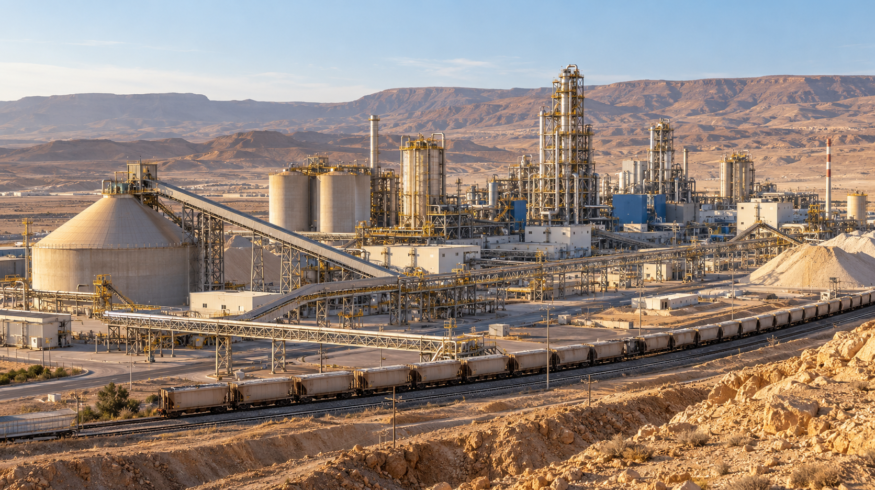

Algeria has formally launched construction of the first phase of its Integrated Phosphate Project, a large mining-to-fertilizer development designed to connect the Bled El Hadba phosphate deposit with new fertilizer production facilities at Oued El Keberit and dedicated export infrastructure at the Port of Annaba.
The project moved into its latest construction phase on September 24, 2026, when Algerian officials laid the foundation stones for both the Bled El Hadba extraction and beneficiation complex and the Oued El Keberit chemical processing and fertilizer complex. According to Sonatrach, Phase 1 is designed to produce 2.4 million tonnes of phosphate fertilizers per year and 570,000 tonnes of urea per year.
That gives the fertilizer complex planned capacity of almost 3 million tonnes per year, while the upstream Bled El Hadba operation is designed to extract 5.5 million tonnes of raw phosphate rock annually and produce 3.2 million tonnes of phosphate concentrate.
Algeria begins construction of an integrated phosphate-to-fertilizer chain
The project is structured as an integrated supply chain rather than a standalone fertilizer plant. Phosphate ore will be mined and beneficiated at Bled El Hadba in the Bir El Ater area before being transported to Oued El Keberit in Souk Ahras for chemical processing.
At Oued El Keberit, the phosphate concentrate will be converted into phosphate fertilizers. The industrial complex will also use natural gas to produce ammonia and urea, creating both phosphate and nitrogen fertilizer capacity at the same site.
| Project component | Location | Phase 1 capacity |
|---|---|---|
| Raw phosphate extraction | Bled El Hadba | 5.5 million t/y |
| Phosphate concentrate | Bled El Hadba | 3.2 million t/y |
| Phosphate fertilizers | Oued El Keberit | 2.4 million t/y |
| Urea | Oued El Keberit | 570,000 t/y |
| Export infrastructure | Port of Annaba | Dedicated phosphate and fertilizer handling facilities |
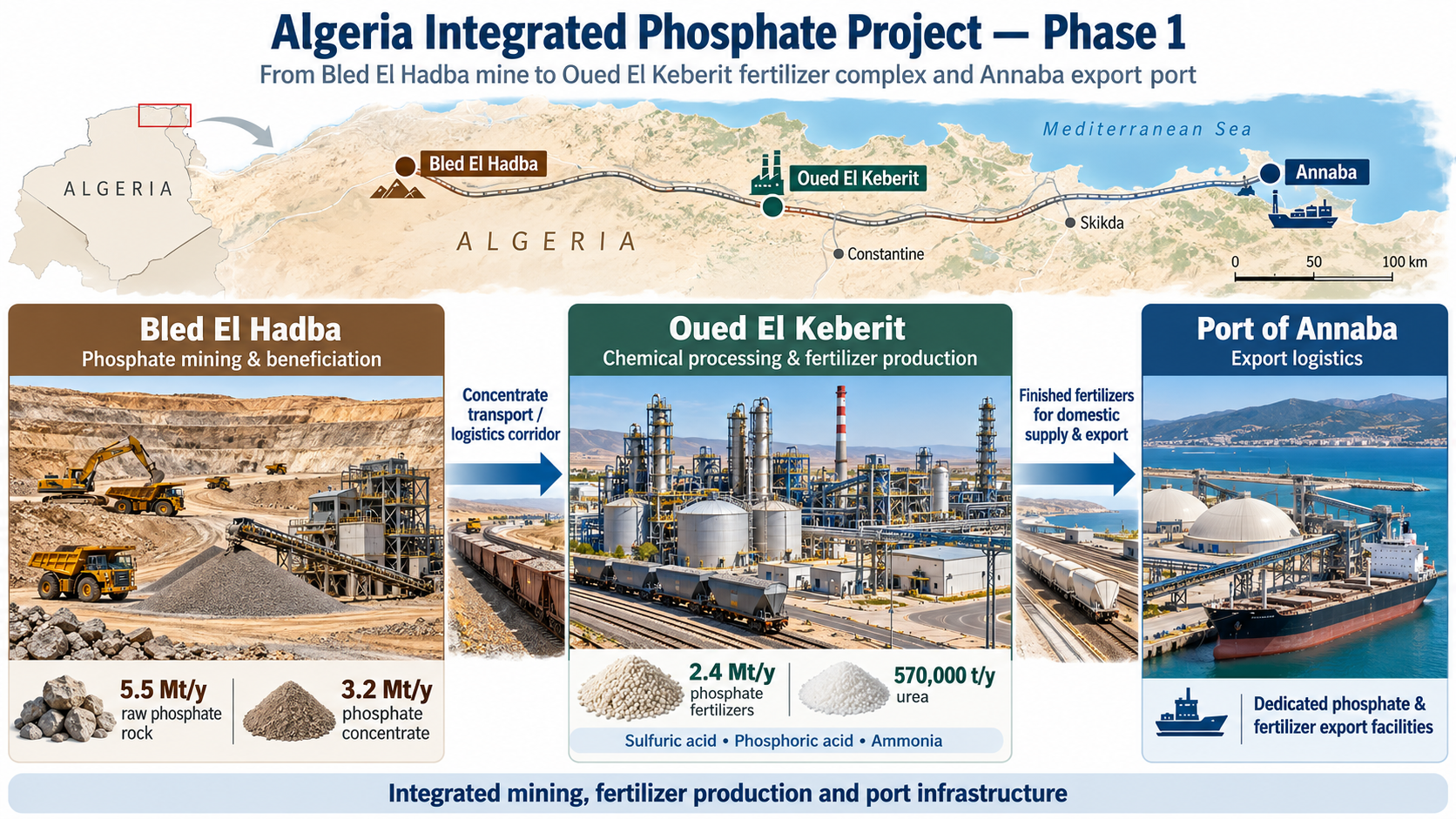
The Oued El Keberit complex will also include production of intermediate chemicals required by the fertilizer chain, including sulfuric acid, phosphoric acid and ammonia.
Saipem and CHEC are building the first phase
Sonatrach and Algerian Fertilizers Company signed the main Engineering, Procurement and Construction agreements for Phase 1 in August 2026.
Saipem was selected for the mining, processing and fertilizer-production facilities at Bled El Hadba and Oued El Keberit. The Italian contractor said its Limited Notice to Proceed is worth approximately €500 million and covers early engineering, procurement of long-lead items, mobilization and other activities ahead of finalization of the full EPC contract.
The Chinese contractor China Harbour Engineering Company is responsible for the dedicated port infrastructure at Annaba, according to Sonatrach.
The September construction launch follows the project’s earlier engineering phase. Fertilizer Daily reported in 2025 that Saipem had won a competitive FEED contract for the integrated phosphate development before being selected for Phase 1 execution.
Annaba port is the export end of the project
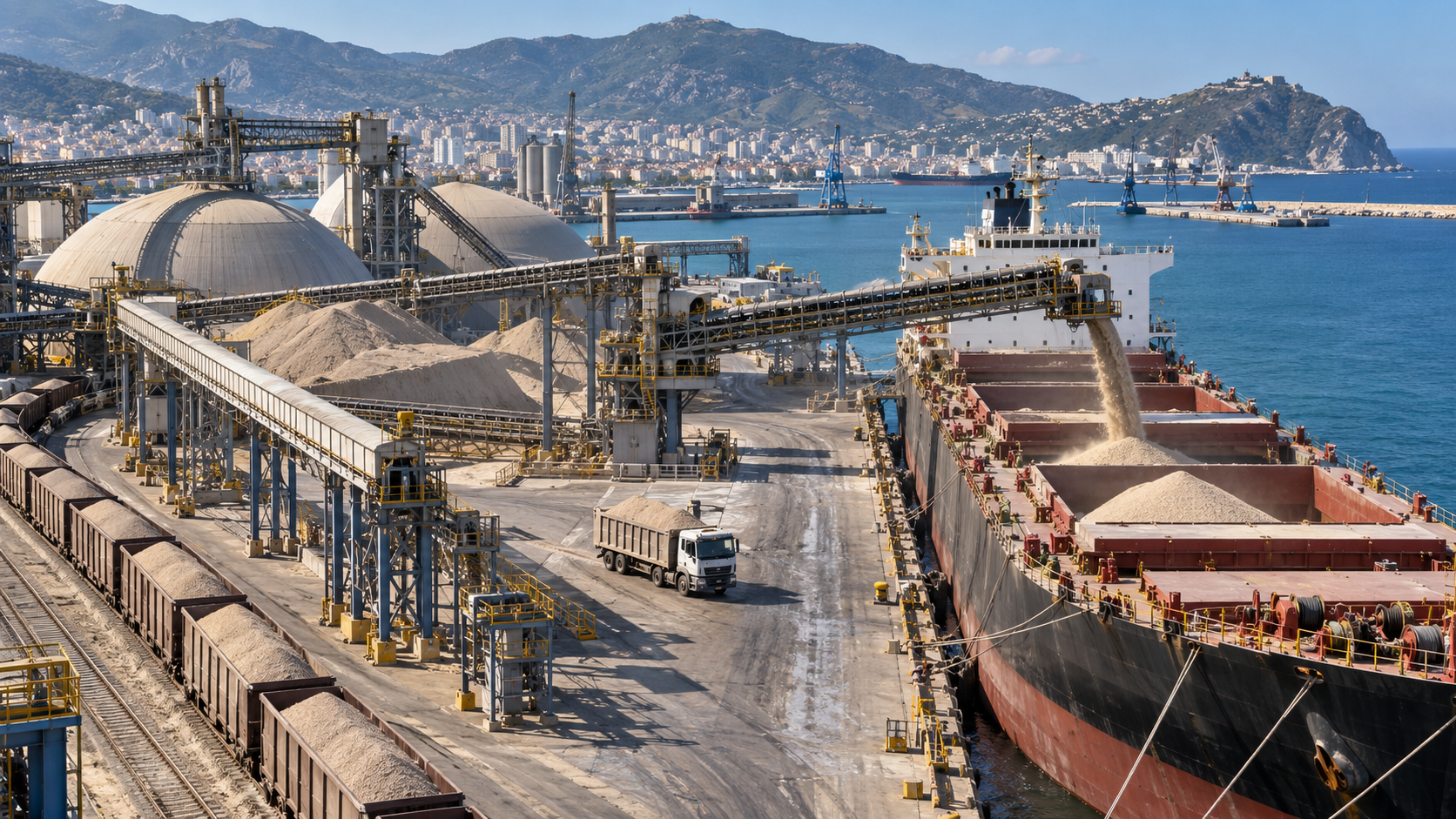
The Integrated Phosphate Project does not end at the fertilizer plant. New infrastructure at the Port of Annaba is intended to create a dedicated export route for phosphate products and fertilizers produced by the new industrial chain.
Construction of the port component was formally launched on September 23. Algerian authorities described the facilities as the final logistics link connecting phosphate extraction and fertilizer production with domestic, regional and international markets.
Fertilizer Daily reported in July that Algeria was accelerating the Annaba phosphate port expansion to support higher phosphate and fertilizer exports.
The integrated structure is strategically important because new fertilizer capacity is only commercially useful at export scale if mining, rail and port infrastructure can move the required volumes reliably.
Why the project matters for Algeria’s phosphate industry
Algeria has large phosphate resources but has historically produced far less phosphate rock than the world’s largest suppliers.
The U.S. Geological Survey reported that project areas associated with Bled El Hadba were assessed at approximately 2.2 billion tonnes of phosphate rock reserves. USGS estimated Algerian phosphate rock mine production at about 2 million tonnes in 2024.
Phase 1 alone therefore represents a substantial increase in the scale of Algeria’s phosphate value chain. More importantly, the project is designed to move Algeria further downstream: instead of relying primarily on raw phosphate extraction, the country intends to convert more of the resource into phosphoric acid and finished fertilizers.
| Indicator | Scale |
|---|---|
| Algerian phosphate rock production, 2024 estimate | ~2.0 million tonnes |
| Bled El Hadba Phase 1 extraction capacity | 5.5 million tonnes/year |
| Phase 1 phosphate fertilizer capacity | 2.4 million tonnes/year |
| Phase 1 urea capacity | 570,000 tonnes/year |
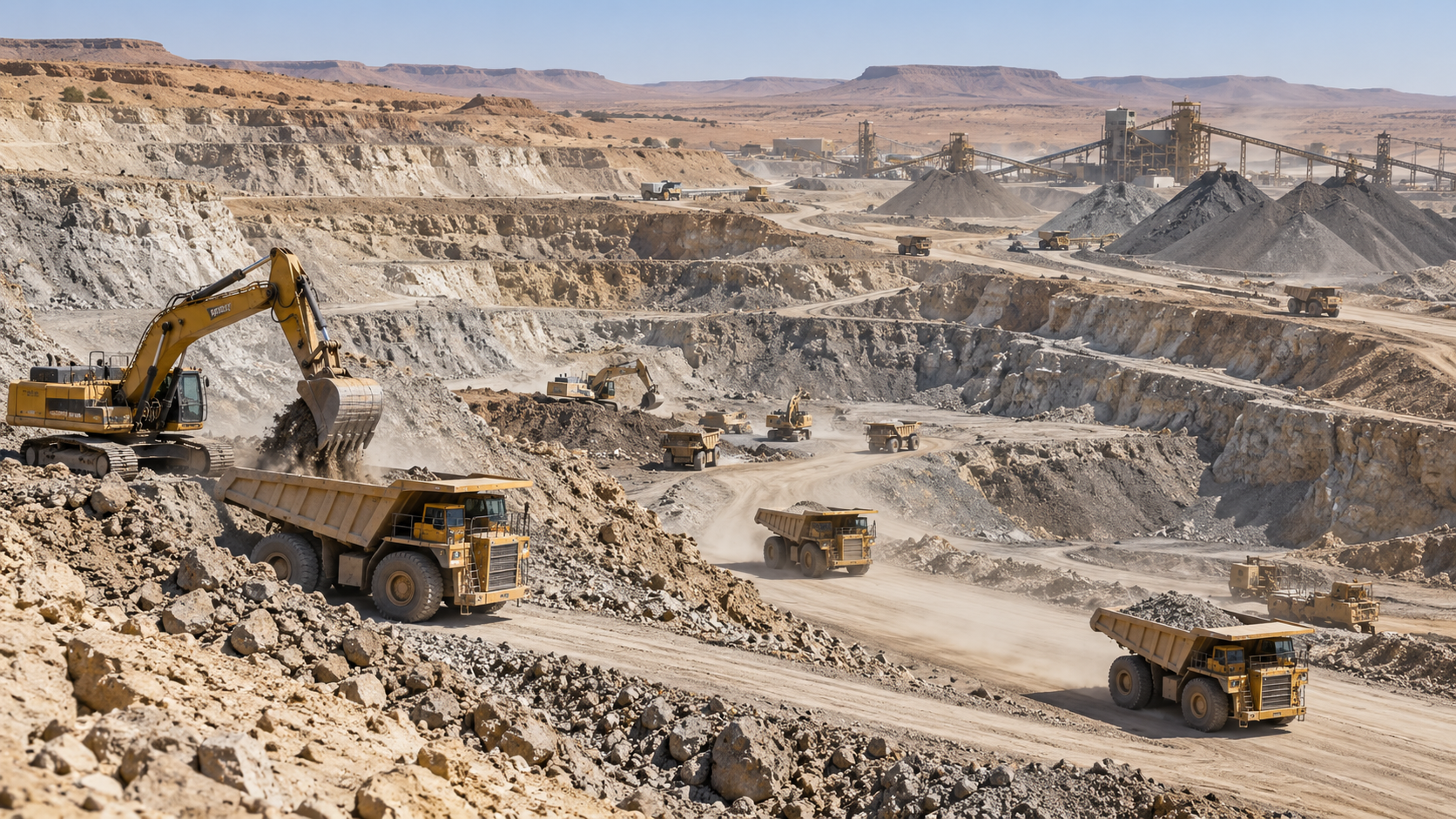
Phosphate and nitrogen production are being developed together
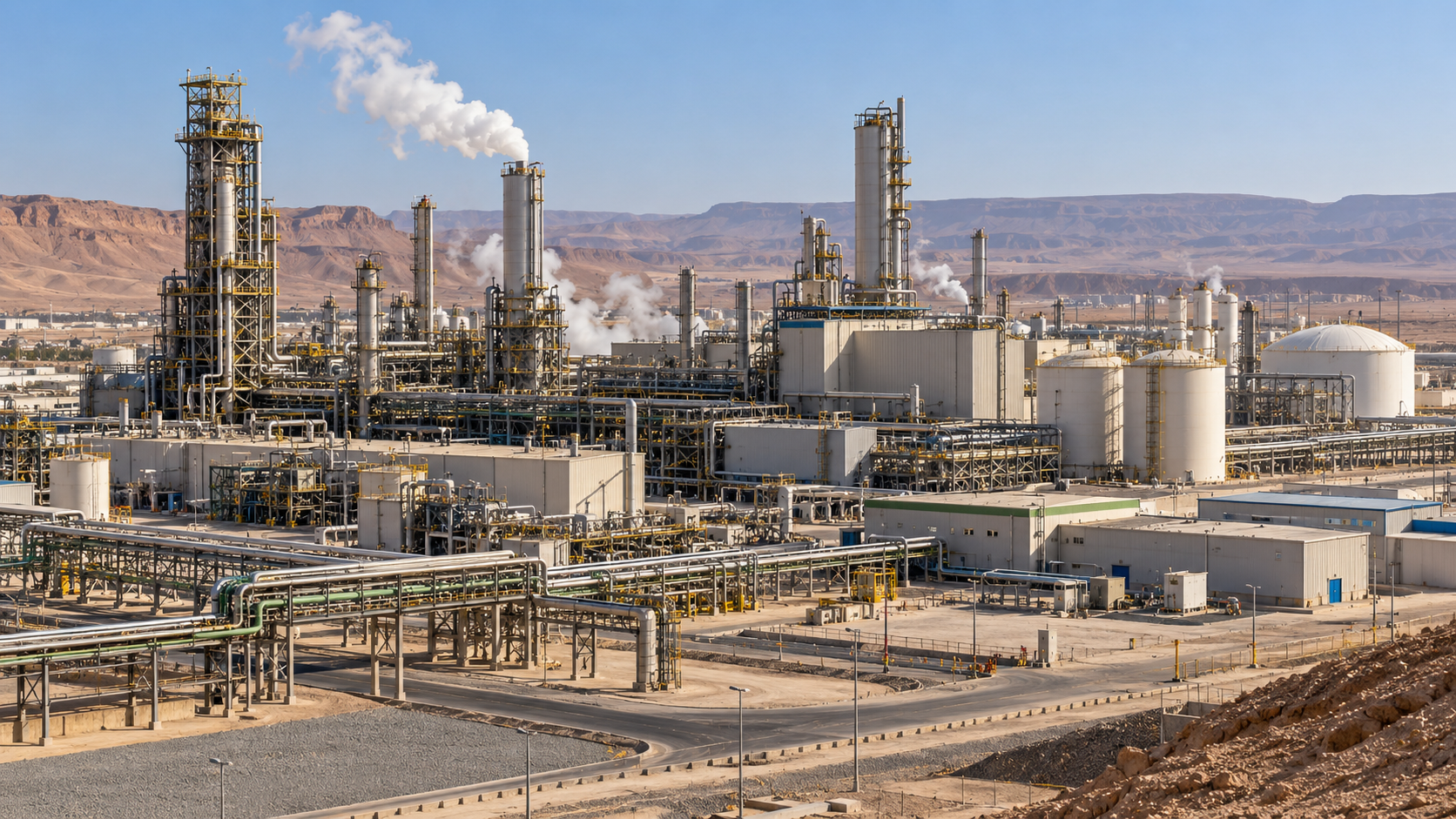
One unusual feature of the project is the combination of phosphate fertilizer production with a new urea unit.
The phosphate side will rely on domestic phosphate rock and sulfuric-acid-based processing, while the nitrogen side will use Algeria’s natural gas resources to produce ammonia and urea. This gives the complex exposure to two major nutrient segments rather than phosphate alone.
The approach can also strengthen domestic fertilizer supply. Algeria’s government has described the project as part of a strategy to support national agricultural demand while creating surplus volumes for export.
What could the project mean for regional fertilizer supply?
If the planned capacities are reached, the project could add a meaningful new source of phosphate fertilizers from North Africa at a time when phosphate markets remain sensitive to sulfur availability, logistics disruptions and concentration of global supply.
Algeria’s Mediterranean location gives the project potential access to European markets, while Annaba also provides shipping routes toward Latin America, Africa and Asia.
However, nameplate capacity should not be treated as immediate market supply. Large integrated fertilizer projects typically require a ramp-up period, and actual export availability will depend on commissioning, operating rates, domestic demand, raw-material supply and logistics performance.
Construction follows a multi-year development process
The current milestone is the transition from planning and engineering into physical execution.
- 2024: development activity accelerated around Bled El Hadba and the wider integrated phosphate project.
- June 2025: Saipem received a competitive FEED contract from Sonatrach.
- August 2026: Sonatrach and Algerian Fertilizers Company signed Phase 1 EPC agreements with Saipem and CHEC.
- September 23-24, 2026: construction was formally launched at the Annaba port facilities, Oued El Keberit fertilizer complex and Bled El Hadba mining complex.
An August 2026 report by Algerian international broadcaster AL24 said production was targeted to begin in 2027. The latest September construction announcements did not publish a revised commissioning date, so the schedule will depend on execution of the mining, chemical and logistics packages.
What to watch next
The project’s next phase will be defined by execution rather than announcements. Key milestones include:
- progress on the Bled El Hadba mine and beneficiation plant;
- construction of sulfuric acid, phosphoric acid, ammonia and fertilizer units at Oued El Keberit;
- finalization and execution of Saipem’s full EPC scope;
- completion of Annaba port infrastructure;
- rail and logistics integration between the mine, fertilizer complex and port;
- commissioning and ramp-up of phosphate fertilizer and urea production;
- the balance between Algerian domestic fertilizer demand and export volumes.
Frequently asked questions
Phase 1 is designed for approximately 2.4 million tonnes per year of phosphate fertilizers and 570,000 tonnes per year of urea, for total planned fertilizer capacity of about 2.97 million tonnes per year.
The phosphate will come from the Bled El Hadba deposit in the Bir El Ater area of eastern Algeria. Phase 1 extraction capacity is planned at 5.5 million tonnes of raw phosphate rock per year.
The phosphate concentrate will be processed at the Oued El Keberit industrial complex in Souk Ahras, where phosphate fertilizers, urea and intermediate chemicals including sulfuric acid, phosphoric acid and ammonia will be produced.
Saipem is responsible for the main mining, processing and fertilizer facilities under the Phase 1 EPC framework, while China Harbour Engineering Company is responsible for dedicated port infrastructure at Annaba.
Algerian media reported a 2027 production target in August 2026. The latest official construction-launch announcements in September did not state a revised commissioning date.
The port is the export endpoint of the integrated project. It is intended to handle phosphate concentrate, fertilizers and associated products for regional and international markets.
Sources: Sonatrach, Algeria Press Service, Saipem, USGS

Enjoyed this story?
Every Monday, our subscribers get their hands on a digest of the most trending agriculture news. You can join them too!




Discussion0 comments