

Sulfur tops $1,000/t as Hormuz and Russia cuts reshape phosphate fertilizer economics



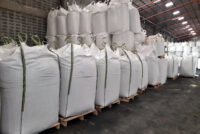
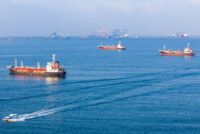
Sulfur prices have topped $1,000 per metric ton in global spot markets, fundamentally reshaping the economics of phosphate fertilizer production, according to a new analysis by University of Illinois agricultural economists at Farmdoc Daily. The report traces the price surge directly to two supply shocks: the ongoing Strait of Hormuz disruption that has blocked sulfur exports from Middle Eastern oil refineries, and Russia’s ban on sulfur exports that removed the world’s second-largest source of traded supply.
Combined, those two disruptions have eliminated access to roughly two-thirds of globally traded sulfur. Because sulfuric acid is the primary reagent used to convert phosphate rock into plant-available phosphoric acid, DAP, and MAP, the cost surge feeds directly into phosphate fertilizer prices. Farmdoc calculates that sulfur alone now accounts for a substantially higher share of DAP production costs than before the crisis, with the raw material cost increase explaining much of the gap between current DAP prices above $820 per metric ton and the $500–$600 range that prevailed in early 2025.
The analysis warns that 2027 U.S. farm budgets should anticipate phosphate fertilizer costs at or above current levels. With no near-term resolution to the sulfur supply shortage in sight, the report says growers face a prolonged period of input cost pressure that may force further reductions in phosphate application rates, particularly for lower-margin crops. Variable-rate application and soil-test-based nutrient management are cited as partial offsets, but do not eliminate the underlying cost problem.
Source: Farmdoc Daily

Enjoyed this story?
Every Monday, our subscribers get their hands on a digest of the most trending agriculture news. You can join them too!




Discussion0 comments