

African Development Bank launches $5.1 billion framework to address energy and fertilizer shocks


The African Development Bank Group has approved a framework that could mobilize up to $5.1 billion to help African countries manage the economic impact of the global energy and fertilizer crisis. The Global Energy and Fertilizer Crisis Response Framework (GEFCRF), approved by the Bank’s Board of Directors on Sept. 1, will combine $4.1 billion in additional African Development Bank lending with up to $960 million from the African Development Fund, the group’s concessional financing arm.
The framework comes as higher energy, food and fertilizer prices and disruptions to global trade routes increase pressure on countries that rely heavily on imports. The Bank said the response will be demand-driven and tailored to countries’ levels of vulnerability. The additional resources will raise the Bank Group’s 2026 lending target to about $12.7 billion.
Fertilizer and food supply chains among priorities
The GEFCRF will focus on four areas: macroeconomic stabilization; protection of food, energy and fertilizer supply systems; support for essential public spending and vulnerable households; and longer-term reforms aimed at reducing exposure to external commodity and supply-chain shocks.
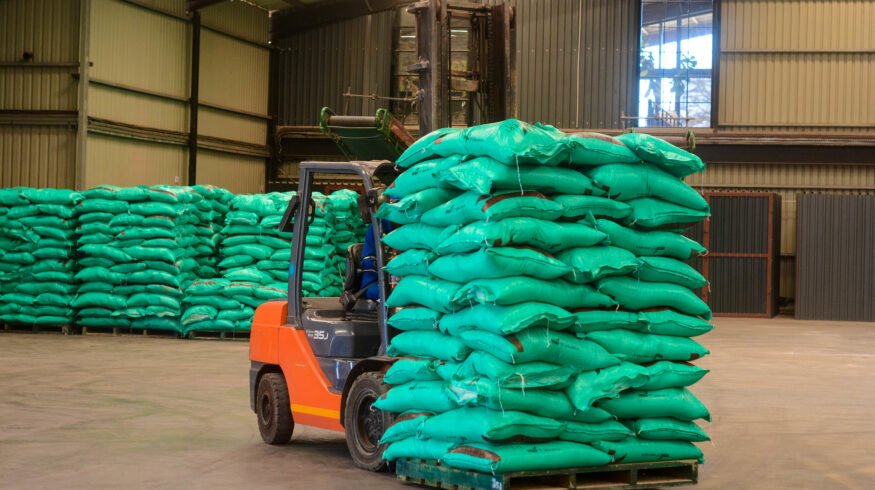
For fertilizer markets, the framework is intended to provide emergency and trade finance to help keep supplies moving to farmers, support vulnerable populations, and reduce market disruptions. The Bank also plans to support efforts to develop more diversified and locally based fertilizer supply chains in Africa.
“The Bank’s new Global Energy and Fertilizer Crisis Response Framework gives us a way to respond to the pressures African farmers are facing as the conflict in the Middle East disrupts global trade,” said Martin Fregene, Officer in Charge Vice President for Agriculture, Human and Social Development.
“When fertilizer becomes too expensive or difficult to find, farmers use less and harvests can suffer,” Fregene said. “Access to finance is part of the solution, helping businesses keep fertilizer moving to farmers, while we work to build stronger fertilizer markets and more local supply in Africa.”
Framework targets longer-term resilience
The Bank said disruptions to major maritime corridors are adding to the impact of higher commodity prices by increasing transportation costs, delaying deliveries and exposing weaknesses in supply chains.
The new facility is modeled in part on the Bank’s previous COVID-19 Response Facility and African Emergency Food Production Facility. Beyond short-term financing, the framework is designed to create room for reforms that could reduce African countries’ dependence on volatile international energy, food and fertilizer markets.
The GEFCRF will remain in effect for one year from its Sept. 1 approval date. The Bank said it will review the framework before deciding whether to extend it.

Enjoyed this story?
Every Monday, our subscribers get their hands on a digest of the most trending agriculture news. You can join them too!





Discussion0 comments