

Syngenta and Amoéba sign exclusive European deal for first protozoan-based biocontrol fungicide on cereals

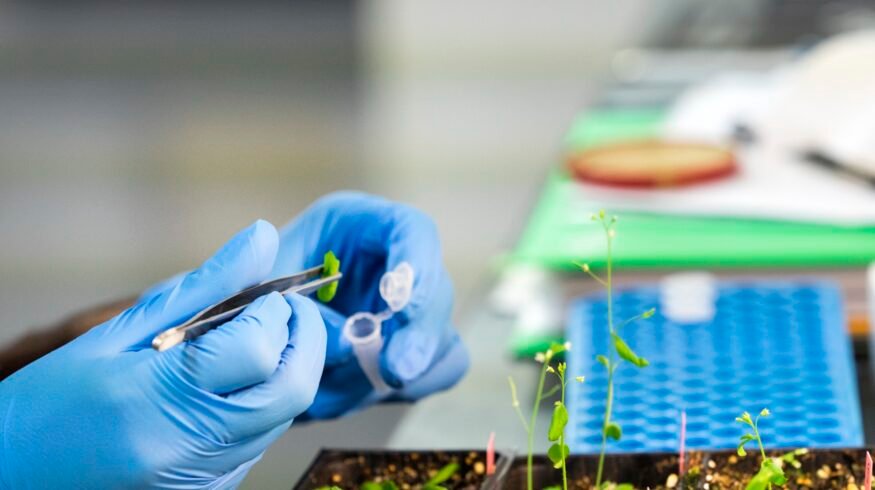

Syngenta Crop Protection and French biotech Amoéba have signed an exclusive supply and distribution agreement for a next-generation biocontrol fungicide based on the lysate of the amoeba Willaertia magna C2c Maky. The deal, announced September 10, converts a November 2025 memorandum of understanding into a binding commercial partnership covering the cereals market across the European Union, United Kingdom, Ukraine and Switzerland, with first market launches expected from 2028/29.
The Syngenta Amoéba biocontrol deal targets septoria tritici blotch and yellow rust, two major fungal diseases affecting wheat, at a time when European cereal growers face a shrinking crop protection toolbox. The Willaertia-based technology acts through multiple mechanisms simultaneously — classified by the Fungicide Resistance Action Committee (FRAC) under Group BM02, biologicals with multiple modes of action — with no known resistance and a low to very low risk of resistance.
The active substance received EU approval in 2025 following EFSA assessment. In June 2026, Amoéba secured French marketing authorization for AXPERA, a biofungicide based on the same technology. The companies are jointly conducting more than 70 field trials in 2026, one of the most extensive validation efforts in the biocontrol space. Amoéba received the Bernard Blum Gold Medal in October 2025 as the most promising biocontrol solution worldwide.
The product will be commercialized under a Syngenta trademark, with first registrations expected in Q3 2028 and first sales in core EU markets during the 2028/29 season. Syngenta has designated AXP20 as one of the key products in its biologicals pipeline, which the company has identified as a strategic growth area alongside its conventional crop protection and digital farming platforms.
Key questions about the Syngenta-Amoéba biocontrol deal
The Willaertia magna-based biofungicide targets septoria tritici blotch and yellow rust, two of the most economically damaging fungal diseases in European wheat. Septoria alone can reduce yields by 30–50% in untreated fields during high-pressure seasons. The product may also show activity against other cereal diseases, though specific label claims will depend on national registration outcomes.
The Willaertia magna lysate operates through multiple mechanisms of action simultaneously, making it difficult for pathogens to develop resistance through a single genetic mutation. FRAC classifies it under Group BM02 — biologicals with multiple modes of action — with no known resistance. This contrasts with many conventional fungicides that target a single site, where resistance can emerge rapidly.
First national registrations are expected in Q3 2028, with first commercial sales in core EU markets during the 2028/29 growing season. The French marketing authorization for AXPERA, secured in June 2026, is clearing the path for other EU member states to finalize their national authorizations. The product will be sold under a Syngenta trademark.
A lysate is the material produced when cells are broken open (lysed), releasing their internal contents. Unlike live biological control agents that must establish colonies in the field, a lysate product delivers the active compounds directly. This can improve shelf stability, consistency and ease of formulation compared with products that depend on living organisms to function after application.
European cereal growers face a shrinking conventional toolbox as the EU withdraws active substances under its Green Deal and Farm to Fork strategy. Simultaneously, pathogen resistance to remaining chemistries — particularly SDHI and azole fungicides in septoria — is rising across key wheat-growing regions. Biocontrol products with novel modes of action are increasingly needed to maintain integrated pest management programs.

Enjoyed this story?
Every Monday, our subscribers get their hands on a digest of the most trending agriculture news. You can join them too!





Discussion0 comments