

Syngenta EXORT microRNA breakthrough targets 2027 launch across 20 countries



Syngenta EXORT, a new biological platform based on naturally occurring plant microRNAs, is set for its first commercial launch in Latin America in 2027, the company announced on September 22. Syngenta describes the technology as the first new mode of action in biologicals in more than two decades.
EXORT, short for EXOgenous RNA Targeting, identifies and delivers plant-derived microRNAs that regulate processes such as grain growth, fruit set and development, according to AgNavigator. Unlike RNA products designed to kill pests or pathogens, it works with the plant’s own signaling to fine-tune performance. Products are sprayed on leaves at very low doses and can go into an existing tank mix.
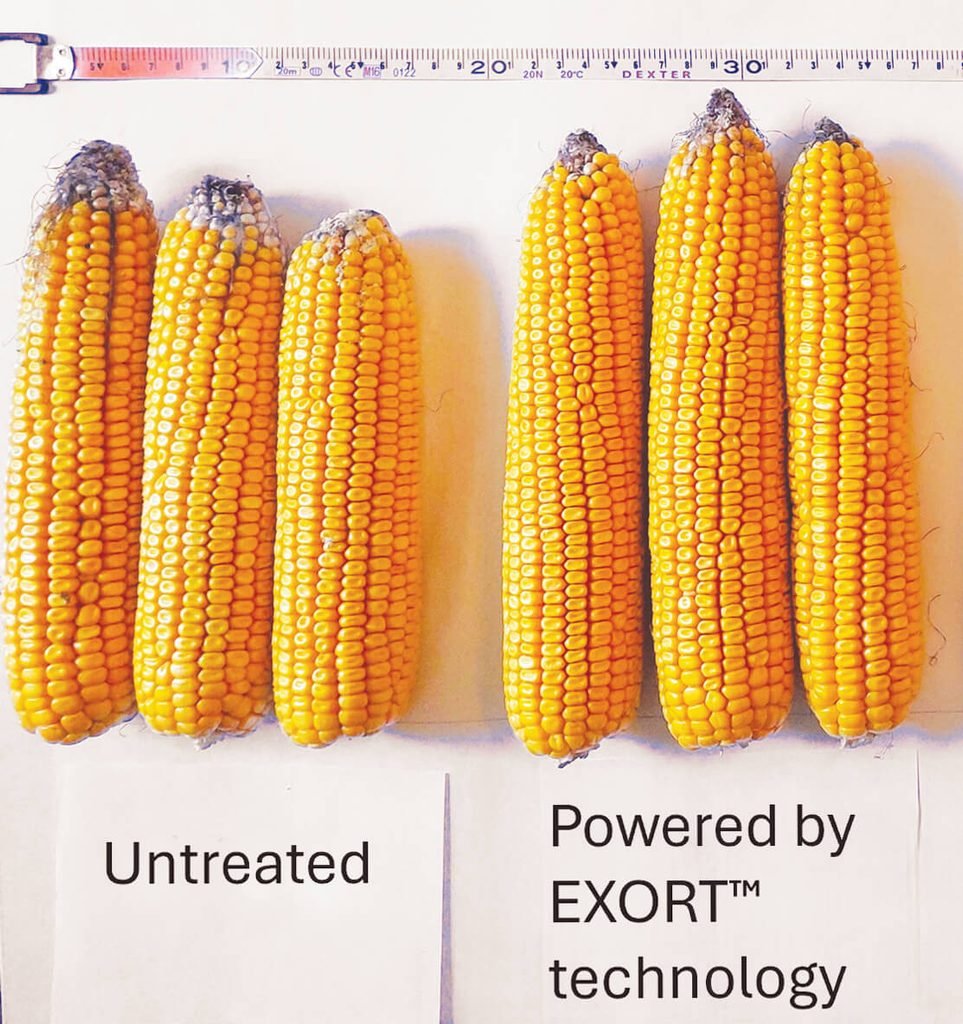
Syngenta says a field program spanning multiple years and geographies delivered consistent yield gains in rice, soybean, corn, cotton, vegetables and fruit. After the 2027 debut, the company plans a phased rollout across about 20 countries and multiple crops.
Camilla Corsi, Syngenta’s head of crop protection R&D, said the platform turns a fundamental biological mechanism into a practical farm solution. The launch extends a busy month for Syngenta biologicals, following its exclusive European deal with Amoéba for a protozoan-based biocontrol fungicide.
For crop nutrition suppliers, the key question is whether yield-enhancing biologicals at gram-level doses will compete with, or complement, biostimulant and specialty nutrition programs.
Source: AgNavigator
Syngenta EXORT: Five things to know
EXORT is a discovery and delivery platform for biological crop products built on naturally occurring plant microRNAs. The name stands for EXOgenous RNA Targeting. Syngenta positions it as a foundation for a new generation of biologicals rather than a single product.
MicroRNAs are small molecules that regulate how plants use genetic information. EXORT applies selected microRNAs to the leaf, where they act as signals for processes such as grain growth and fruit set. Because the plant amplifies the signal, very little active ingredient is needed.
About 50 milligrams of active compound per hectare, delivered in roughly 100 grams of formulated product per hectare, according to Syngenta figures reported by AgNavigator. It can be added to an existing tank mix without changing field routines.
The first products are planned for Latin America in 2027, followed by a phased introduction across about 20 countries. Syngenta has not disclosed product names, pricing or which crops will come first.
Syngenta reports consistent yield gains in rice, soybean, corn, cotton, vegetables and fruit over multiple years and locations. The company has not published specific yield percentages or independent trial data, so growers will want to see third-party results before launch.

Enjoyed this story?
Every Monday, our subscribers get their hands on a digest of the most trending agriculture news. You can join them too!






Discussion0 comments