

Prairie farmers urged to manage soil acidity across the rotation

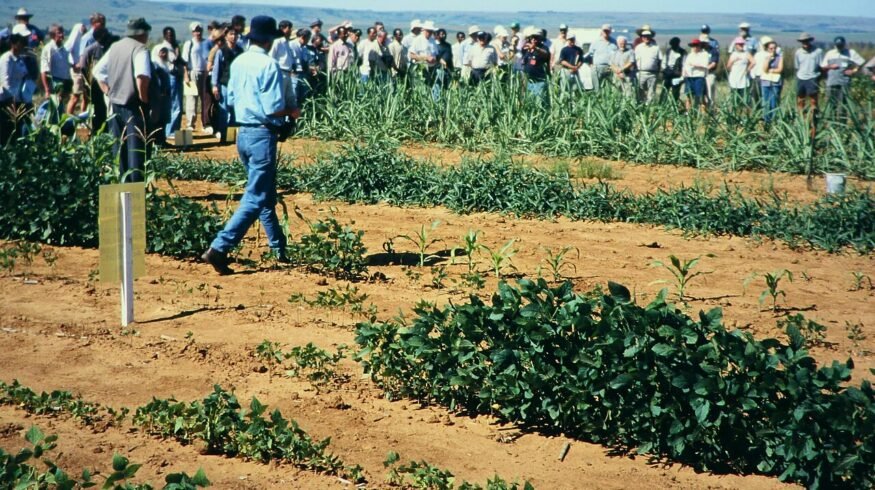

Western Canadian farmers should manage soil acidity across their full multi-year crop rotation rather than crop by crop, according to long-term research from the University of Alberta.
The study, co-authored by soil scientist Miles Dyck and Linda Gorim, used data from 1980 to 2020 at the university’s Breton Plots. It examined synthetic fertilizer, manure and lime across a five-year rotation of wheat, oats, barley and an alfalfa-brome grass mix.
Liming boosted alfalfa forage yields and biological nitrogen fixation in plots treated with synthetic fertilizer. Cereals did not show direct grain yield gains from lime, but they took up more nitrogen when they followed limed alfalfa. Dyck said the alfalfa probably fixed more nitrogen, and some of it became available to the wheat and oats.
The study also found that alfalfa can acidify soil, because its roots release acid as they take up calcium and magnesium, and harvest removes those nutrients. Acidity rose fastest in plots that received synthetic fertilizer, even where lime was applied. Manure slowed acidification more than synthetic fertilizer did, by returning calcium and magnesium to the soil.
Dyck said the researchers recommend that producers judge liming benefits over two or three rotation cycles, which span five to 15 years.
Tillage choices also shape the wider footprint of grain rotations, and one recent study tracked how reduced tillage cut nitrous oxide emissions as farms moved into organic grain production.
Source: University of Alberta Folio

Enjoyed this story?
Every Monday, our subscribers get their hands on a digest of the most trending agriculture news. You can join them too!





Discussion0 comments