

Cotton plants in poor soil use two hormones to take up potassium

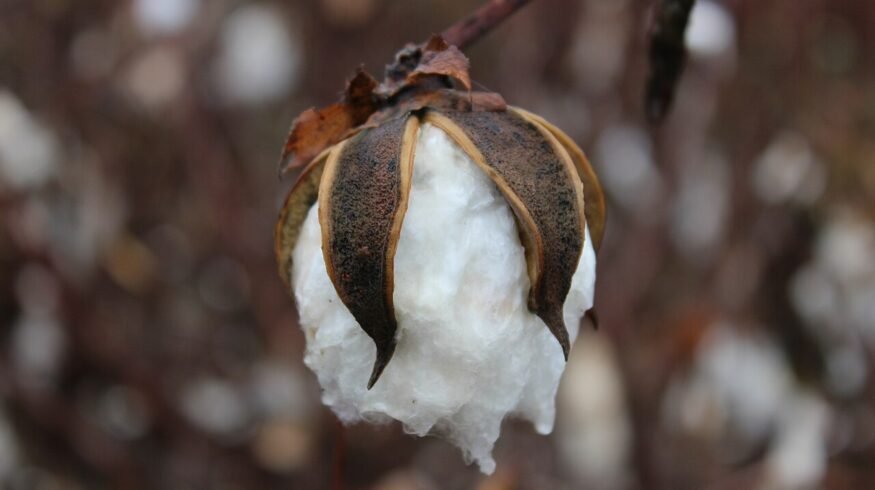

Two plant hormones work together to help cotton take in potassium when soil runs short, according to a study led by Zhaohu Li and Xiaoli Tian at China Agricultural University in Beijing. Ethylene and jasmonate turn on the machinery that pulls potassium into the plant, and spraying cotton leaves with both raised yields in potassium-poor field soil. The paper was published in Science Bulletin.
Potassium helps plants run photosynthesis, switch on enzymes and balance water inside their cells, and cotton needs a lot of it. Researchers have found that more potassium is leaving agricultural soils worldwide than is returned to them. Scientists understand less about how plants take up potassium than about nitrogen and phosphorus, and how crop genes control the proteins that carry potassium into cells remains largely unexplored.
Two hormones switch on a potassium transporter
The team focused on a transporter protein that carries potassium into cells and grabs it even when supplies are low. A control protein switches on the transporter’s gene by attaching to the DNA beside it. Two other proteins, one from the jasmonate pathway and one from the ethylene pathway, each attach to the DNA beside the control protein’s gene and turn it up. Together they raise the control protein more than either does alone, so the hormones act as partners rather than separate signals.
The study used upland cotton, Gossypium hirsutum. Scientists recently traced the species’ origin to Mexico’s Yucatán Peninsula.
Plants can switch the system off
A plant with enough potassium does not need the extra uptake. The team found that when potassium is plentiful, two proteins that hold others back bind the jasmonate-pathway protein and the control protein. In the team’s reading, that stops the plant from spending resources on a system it does not need. Researchers have reported a similar shutoff for nitrogen uptake in crops.
Sprays raised yields in low-potassium soil
To test a farm-level effect, the team ran field experiments in soil holding less than 60 milligrams of available potassium per kilogram, which it describes as a moderate-to-severe shortage. Spraying cotton leaves with methyl jasmonate, or with ACC, a compound plants convert into ethylene, each raised leaf potassium and improved photosynthesis. Using both did best, raising seed cotton yield by 11.6% compared with unsprayed plants.
The field work was done only in potassium-deficient soil, so the results do not show whether such sprays would help where potassium is already plentiful. The gain would also need to repeat across more fields and growing seasons before any farm use.
What comes next
The authors describe the work as a possible basis for helping crops use potassium more efficiently. The lab work covered the plant’s genes and proteins, and the field work covered one soil type, so the next step is testing the pathway in other soils and crops.
Sources: Earth.com

Enjoyed this story?
Every Monday, our subscribers get their hands on a digest of the most trending agriculture news. You can join them too!





Discussion0 comments