

Illinois study will test how much nitrogen inhibitors cut nitrate loss

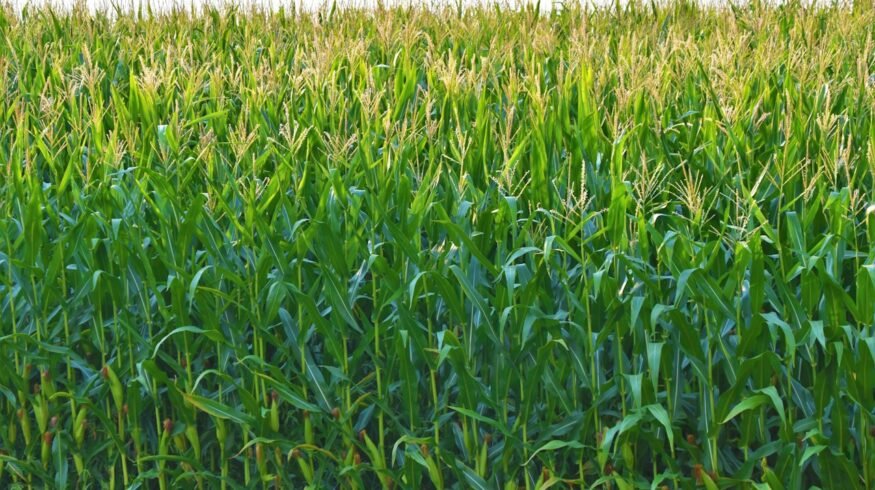

Nitrification and urease inhibitors are a staple of Midwest nitrogen programs, but few field studies have measured how much nitrate they keep out of tile drainage under current farming conditions. A new University of Illinois Urbana-Champaign project aims to fill that gap.
Why the evidence is thin
An Illinois Fertilizer and Chemical Association retailer survey found nitrification inhibitors in about 96% of fall anhydrous ammonia applications statewide. Yet researchers identified only 25 plot-years of monitored tile-drainage research across the Corn Belt that directly tested nitrate-N loss reductions from these products.
Much of that work used one inhibitor, fixed inhibitor rates and practices that differ from today’s, and much of it dates back more than two decades. The project’s team says it will raise the number of observations from 25 to more than 380.
What the four-year project will measure
The $1.4 million project is funded by the Illinois Nutrient Research and Education Council and led by Andrew Margenot, a professor in the Department of Crop Sciences. It will test nitrification and urease inhibitors at 12 research and on-farm sites across nine Illinois counties.
Researchers will rely on monitored drainage systems that measure nitrate leaving fields through subsurface tile. They will also track crop nitrogen uptake, nitrogen-use efficiency, yield response and economic returns. Nearly $1 million in additional research with Koch Agronomic Services will measure nitrous oxide at the same sites.
Margenot said the goal is to test assumptions. “Farmers are already investing in these products, often for perceived yield or N use efficiency reasons,” he said. “What we don’t have nearly enough field-scale evidence on is how much they reduce nitrate-N loss through tile drainage.”
What it could mean for farm budgets
Inhibitors add cost to each fertilizer application, so growers need to know when that spending pays off. The team plans to find the soil, weather and timing conditions that separate strong responses from little or no benefit.
The results could also inform the Illinois Nutrient Loss Reduction Strategy, which lists nitrification inhibitors as a practice for cutting nitrate losses. Current estimates of their effect are not based on direct field measurements under modern Illinois conditions.
Nitrous oxide is also a factor in the federal 45Z Clean Fuel Production Credit, which uses fertilizer emissions in carbon intensity scores. For more on the nitrogen side of the same problem, see how manganese biochar cut N₂O emissions in a paddy soil study.

Enjoyed this story?
Every Monday, our subscribers get their hands on a digest of the most trending agriculture news. You can join them too!





Discussion0 comments