

Researchers offer strategy to hedge fertilizer prices

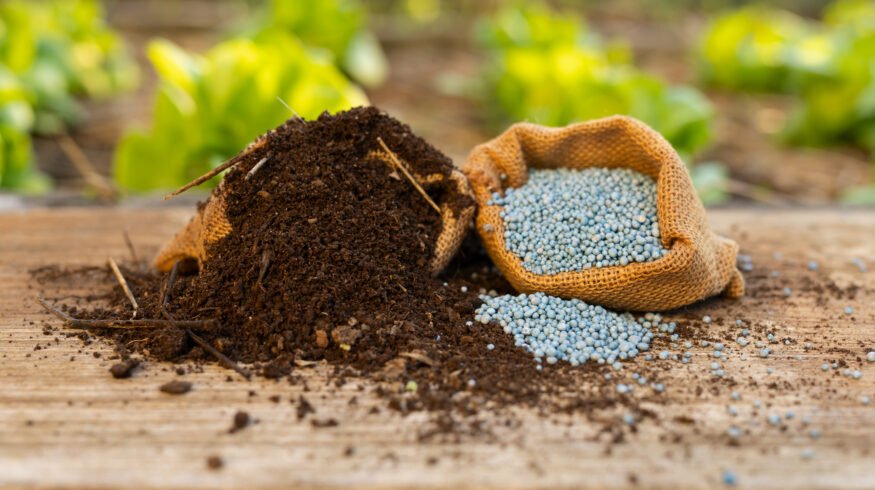

University of Idaho researchers Xiaoli Etienne and Jungkeon Jo advise farmers to buy fertilizer in several transactions over time instead of trying to catch the year’s lowest price. Their advice comes as market volatility makes the timing of purchases harder to get right, according to Capital Press.
Why splitting purchases can lower risk
Etienne, a professor and the Idaho Wheat Commission Endowed Chair in Commodity Risk Management, and Jo, a postdoctoral research fellow, wrote in a recent AgProud Idaho publication: “Pricing part of expected needs ahead of application can reduce exposure to a sudden increase, while leaving some needs unpriced allows participation if prices fall. The appropriate balance depends on cash flow, storage and delivery arrangements.”
The researchers also recommend that growers compare early-purchase discounts with the cost of financing and storage. They suggest assessing fertilizer cost per acre against realistic yield and price expectations, testing soil to match applications to existing nutrient levels, and confirming availability and delivery timing with suppliers.
Where fertilizer prices stand by nutrient
Etienne said supply problems tied to wars and other factors have raised fertilizer prices, but conditions vary by product. Nitrogen is the most exposed. Prices remain sensitive to Persian Gulf production and shipping, and Etienne said they would drop if the Iran war ends soon. More reliable supply would help, while further interruptions could push prices higher.
U.S. nitrogen use is so high that domestic production cannot meet demand, even with cheap natural gas, Etienne said. Some European nitrogen plants have shut down, and their capacity has not been rebuilt, which keeps prices above levels seen before the Ukraine war.
Phosphate prices depend on the Gulf situation as well. “If we see the situation in the Persian Gulf improve, that will help lower the phosphate prices,” Etienne said. “China export restrictions continue to hurt.”
Potash has been steadier. Most U.S. supply comes from Canada, and fertilizer was exempted from the additional U.S. tariffs on Canadian goods announced in July. Potash prices rose in October on seasonal demand for post-harvest work and high transportation costs.
What comes next in 2027
The World Bank’s October outlook projects 2027 international prices to fall 18% for diammonium phosphate and 9% for potash. Etienne said potash would be lower in 2027 if fuel costs drop, “but there are a lot of ifs.”
Diesel prices have jumped more than 60% since the Iran war began, according to the U.S. Energy Information Administration. Limited refining operations in other countries add to the pressure, Etienne said.
She flagged two risks to the potash outlook. The Canada trade relationship is “not to be taken for granted,” and a delay to new Canadian production expected next year could slow gains in U.S. supply.
Farm input costs are also weighing on growers beyond fertilizer, as Missouri producers report diesel and fertilizer bills eroding harvest margins.
Source: Capital Press

Enjoyed this story?
Every Monday, our subscribers get their hands on a digest of the most trending agriculture news. You can join them too!





Discussion0 comments