

Kenya corn imports rise 112.5% as drought leaves a 1.98 million metric ton gap

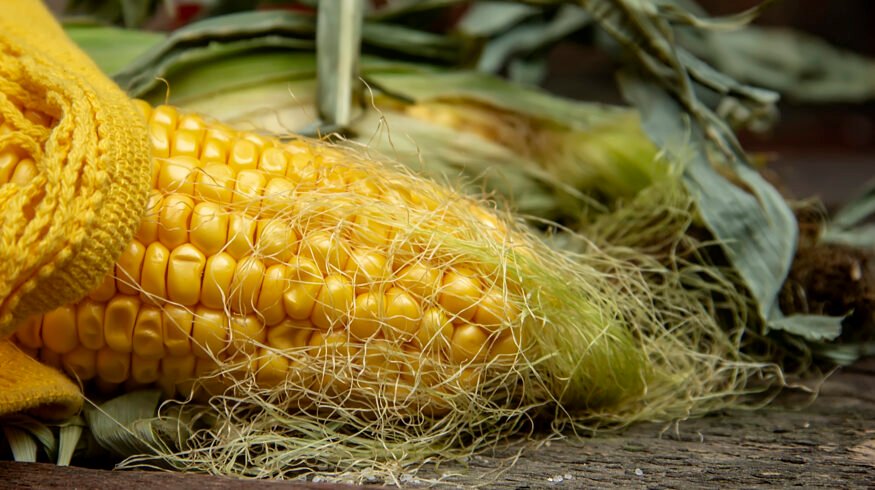

Kenya corn imports reached 321,575 metric tons in July-September, up 112.5% year on year, as the drought-hit 2026/27 crop left 1.98 million metric tons of the estimated import requirement unfilled, according to a Nov. 16 USDA Foreign Agricultural Service report.
FAS Nairobi estimates domestic production at 2.2 million metric tons against total demand of 4.5 million. A dry spell in June and July damaged the main crop in the western and North Rift grain regions, leaving output 39% below historical averages, as weather reshapes global crop production. Depleted strategic reserves leave imports to cover near-term needs.
The government negotiated a 540,000-metric-ton corn supply agreement with Zambia, where a $1.6 billion fertilizer plant expansion broke ground in October, to be shipped in phases over 18 months. FAS reported that a High Court case challenges the deal over procurement transparency and tariffs; the court had not ruled, and no product had shipped by the report date. An East African Community duty waiver separately covers 450,000 metric tons of corn for designated feed millers through June 30, 2027. Kenya’s ban on genetically engineered corn and strict port testing limit other supply options.
Source: USDA FAS
Questions and answers
A prolonged dry spell in June and July damaged corn during critical crop stages in western Kenya and the North Rift. FAS Nairobi estimates 2026/27 production at 2.2 million metric tons, 39% below historical averages, while demand is forecast at 4.5 million metric tons.
FAS Nairobi estimates a total import requirement of 2.3 million metric tons for the marketing year. Imports reached 321,575 metric tons by the end of September, leaving a net supply deficit of 1.98 million metric tons.
The agreement allows private-sector actors to import 540,000 metric tons of corn from Zambia in phased shipments over 18 months. Baita Trading is expected to execute the deal with Zambia’s Food Reserve Agency. A High Court challenge is pending, and FAS reported that no corn had shipped by Nov. 16.
The East African Community waiver allocates 450,000 metric tons of corn to designated Kenyan feed millers through June 30, 2027. The corn is for feed production, and each approved miller receives a fixed quota; duty-free raw materials cannot be resold or diverted into the human food chain.
Kenya’s prohibition on commercial imports of genetically engineered corn restricts access to major global suppliers. Corn shipments also face aflatoxin limits of 10 parts per billion, a maximum moisture content of 13.5%, and plant-health and port-clearance requirements, according to FAS Nairobi.

Enjoyed this story?
Every Monday, our subscribers get their hands on a digest of the most trending agriculture news. You can join them too!








Discussion0 comments