

Scientists develop nano-selenium method to boost rice nutrition and cut fertilizer use



Scientists from the University of Massachusetts Amherst and Jiangnan University in China have demonstrated that nanoscale applications of selenium can make rice production more efficient, nutritious and environmentally sustainable.
The study, published in the Proceedings of the National Academy of Sciences, shows that foliar sprays of nano-selenium enable rice plants to use nitrogen fertilizer more efficiently, cutting fertilizer needs by 30% without reducing yields. Researchers reported that the method reduced the negative environmental impacts of fertilization by 41% while improving economic returns by 38.2% per ton of rice compared with conventional practices.
Nitrogen-heavy fertilizers were central to the Green Revolution, but they remain costly, carbon-intensive to produce, and prone to runoff. In rice, nitrogen use efficiency can be as low as 30%, with much of the fertilizer lost to waterways or released into the atmosphere as methane, ammonia and nitrous oxide—key contributors to climate change.
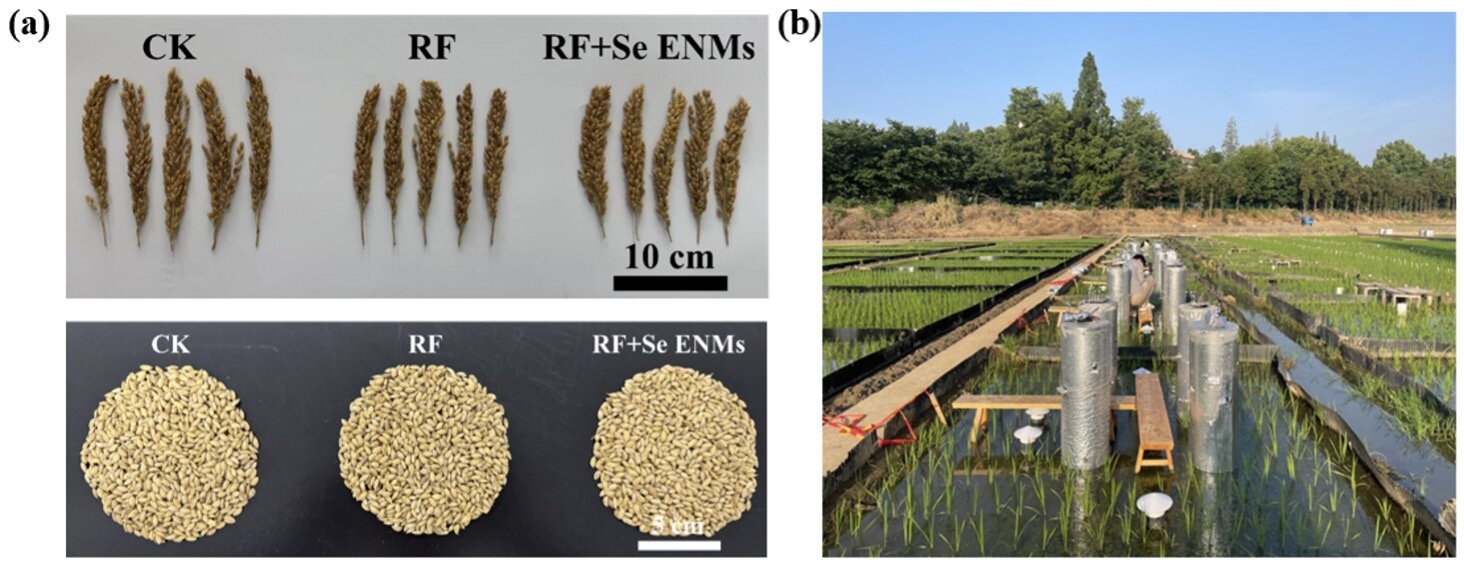
By applying selenium nanoparticles directly to rice foliage, the research team found photosynthesis increased by more than 40%, stimulating root growth and promoting soil microbes that enhance nutrient uptake. This improved nitrogen use efficiency to 48.3% and reduced greenhouse gas emissions by up to 45.6%.
Field trials in China showed that rice treated with nano-selenium had higher protein content, elevated levels of essential amino acids, and enriched selenium, an important nutrient for human health.
“Everybody knows that we need to improve nitrogen use efficiency,” said Baoshan Xing, professor of environmental and soil chemistry at UMass Amherst and co-senior author of the study. “This approach shows it can be done in real-world conditions.”
Rice cultivation accounts for about 15–20% of global nitrogen fertilizer use. Researchers said their findings suggest nanoscale selenium applications could help address the combined challenges of rising food demand, climate change and the escalating costs of agricultural inputs.

Enjoyed this story?
Every Monday, our subscribers get their hands on a digest of the most trending agriculture news. You can join them too!





Discussion0 comments