

Global appetite for ube strains Philippine supply as farmers struggle to expand production

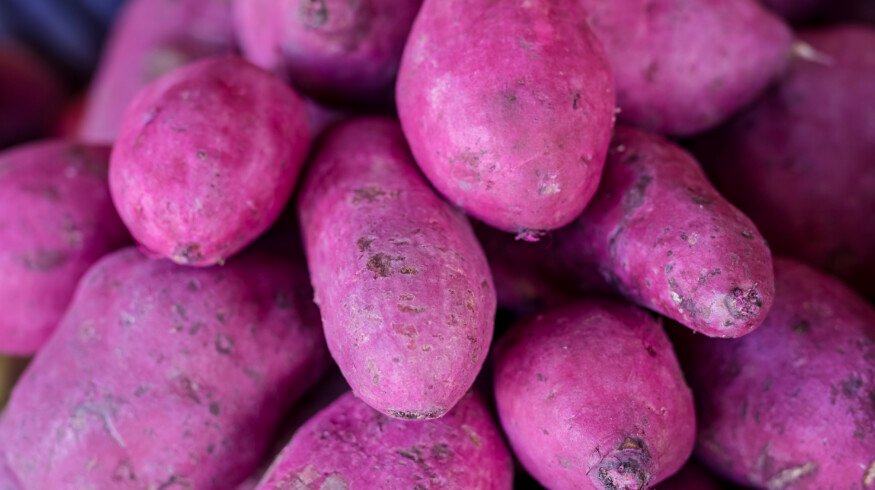

Soaring global demand for ube, the Philippines’ signature purple yam, is stretching supplies as climate change disrupts harvests and farmers struggle to expand production. The tuber’s vivid color and mild flavor have fueled its rise from a local staple to a viral ingredient in pastries and drinks across the U.S., Europe and Australia.
The Philippines remains the world’s leading producer of ube, producing approximately 14,000 metric tons annually, but output has declined from more than 15,000 tons in 2021 due to the impact of extreme weather. Erratic rainfall and stronger typhoons have upset growing cycles, leading to rot, crop losses and lower yields, according to farmers and researchers.
Exports, although still small, have expanded rapidly in recent years, quadrupling to more than 200 tons annually, with over half shipped to the U.S. Most production is consumed domestically, and the country has even imported ube from Vietnam to meet local demand.
Farmers say higher prices have created a shortage of planting material, as nearly all harvested tubers are sold rather than reserved for replanting. Government support remains limited, with funding for ube development set to decline in 2026 as agricultural spending prioritizes staple crops such as rice and corn.
Officials warn that without investment in planting stock and climate resilience, supply will struggle to keep pace with demand, raising concerns that one of the country’s most culturally important foods could become increasingly scarce at home, even as its popularity grows abroad.
Source: The New York Times

Enjoyed this story?
Every Monday, our subscribers get their hands on a digest of the most trending agriculture news. You can join them too!








Discussion0 comments