

Long-term climate warming may accelerate the development of antibiotic resistance in soils, new study suggests

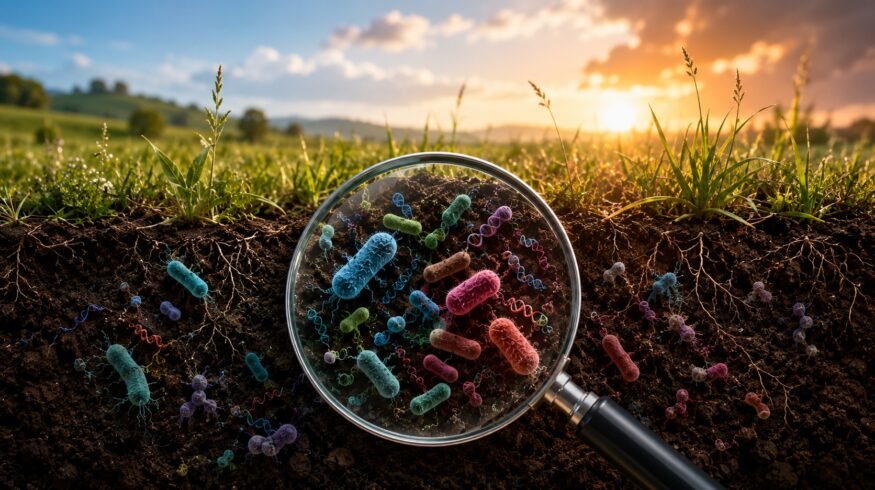

A recent study published in Nature indicates that long-term climate warming contributes to the spread of antibiotic resistance in soils. Over an 11-year period, researchers observed a nearly 24% increase in the abundance of antibiotic resistance genes (ARGs) in warmed grassland soils. These findings suggest that climate change may serve as an additional driver of antimicrobial resistance, alongside the established factors of antibiotic misuse and overuse.
The study, conducted from 2009 to 2020 on experimental tall-grass prairie plots, simulated future climate scenarios by increasing soil temperatures by 3 degrees Celsius with infrared heaters. Rainfall patterns were also manipulated to replicate drought and extreme precipitation, and vegetation was cut annually to simulate grazing and harvesting. Advanced genetic sequencing methods, such as shotgun metagenomics and GeoChip analysis, demonstrated that warming increased both the abundance and mobility of ARGs, thereby facilitating the transfer of resistance traits between bacterial species.
The results indicated that elevated temperatures favored the proliferation of Actinomycetota, a bacterial group that naturally harbors numerous resistance genes. Warming also led to an increase in genes conferring resistance to glycopeptides and rifamycins, both of which are critical antibiotic classes. Laboratory analyses revealed that bacteria isolated from warmed soils exhibited greater resistance to 22 antibiotics compared to those from cooler plots. Additionally, an increase in resistance genes associated with plant pathogens was observed, suggesting that climate warming may further complicate the management of crop diseases in agriculture.
The authors emphasized that these findings underscore the environmental dimension of antimicrobial resistance, which is projected to cause up to 10 million deaths annually by 2050 if not addressed. The study concluded that climate warming may accelerate antimicrobial resistance at both genetic and ecological scales, with significant implications for human health, food production, and environmental sustainability. The researchers recommended further investigations across diverse ecosystems and climate regions to more comprehensively assess the risks associated with warming soils.

Enjoyed this story?
Every Monday, our subscribers get their hands on a digest of the most trending agriculture news. You can join them too!







Discussion0 comments