

American Farm Bureau: 70% of US farmers cannot afford full fertilizer needs as spring planting peaks

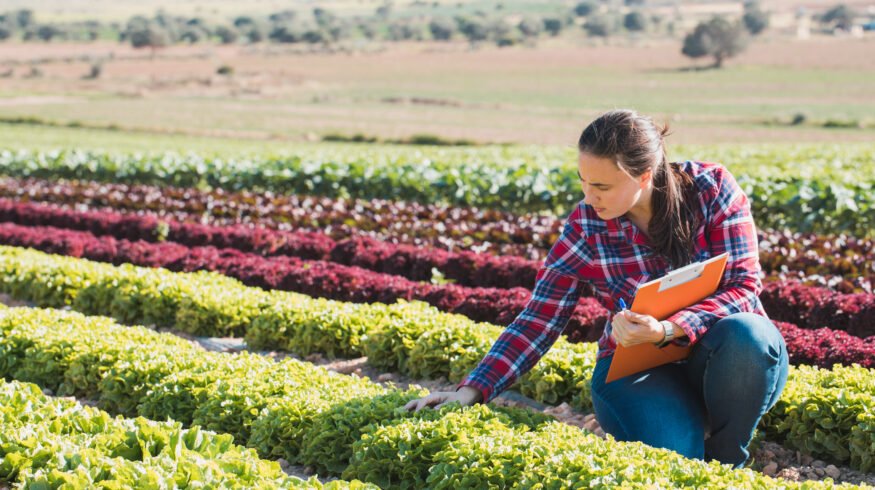

Approximately 70% of US farmers surveyed by the American Farm Bureau Federation said they could not afford all the fertilizer they needed for the 2026 planting season, according to a poll of more than 5,700 producers conducted April 3–11.
The survey, the first major data point on fertilizer affordability since the Strait of Hormuz blockade began in late February, found sharp regional differences. Southern farmers were hardest hit — 78% reported being unable to afford full fertilizer inputs — compared to 48% in the Midwest, where higher pre-booking rates provided more price protection. Northeast and Western producers also reported significant challenges, at 69% and 66% respectively.
The Farm Bureau attributed the disparity to pre-booking patterns: 67% of Midwestern producers had secured fertilizer early in the season, compared to only 19% of Southern farmers. Because smaller farms are less likely to lock in purchases in advance, they are more exposed to in-season price spikes — a structural disadvantage that worsens when supply shocks hit at planting time.
Farm diesel prices increased 46% since the end of February, compounding the strain from fertilizer costs. Nearly six in 10 farmers reported worsening finances. Chapter 12 farm bankruptcy filings — designed for family-sized agricultural operations — rose 46% in 2025, the third consecutive annual increase, according to AFBF data, with the Midwest and Southeast seeing the sharpest increases.
The Farm Bureau called on the administration to extend safe-passage protections for fertilizer shipments through key global shipping lanes and to prioritize fertilizer supply security as an element of national security. The first USDA cost-per-acre data accounting for post-crisis fertilizer and fuel prices is expected in the coming weeks, according to AFBF’s Faith Parum, and will provide the clearest picture yet of how the disruption is expected to weigh on farm profitability in 2026 and 2027.

Enjoyed this story?
Every Monday, our subscribers get their hands on a digest of the most trending agriculture news. You can join them too!





Discussion0 comments