

University of Waterloo researchers developed a nanotechnology-based pesticide spray that reduces runoff and enhances crop adhesion

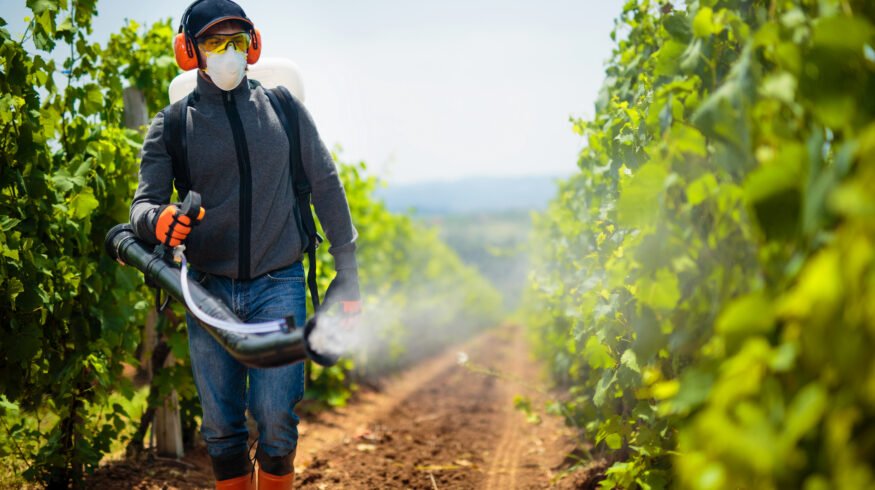

Researchers at the University of Waterloo have developed a nanotechnology-based pesticide formulation intended to enhance the adhesion of agricultural sprays to plant leaves, thereby reducing chemical waste and environmental contamination.
The water-based formulation employs modified cellulose nanocrystals to stabilize pesticide droplets, enabling them to adhere to hydrophobic leaf surfaces even during exposure to rain and wind. The research team reports that this technology reduces splash, rebound, and runoff, which are common with conventional pesticide spraying systems. Initial field trials on cabbage crops, conducted in collaboration with an industrial partner in Singapore, demonstrated enhanced pest control performance while utilizing reduced quantities of pesticide.
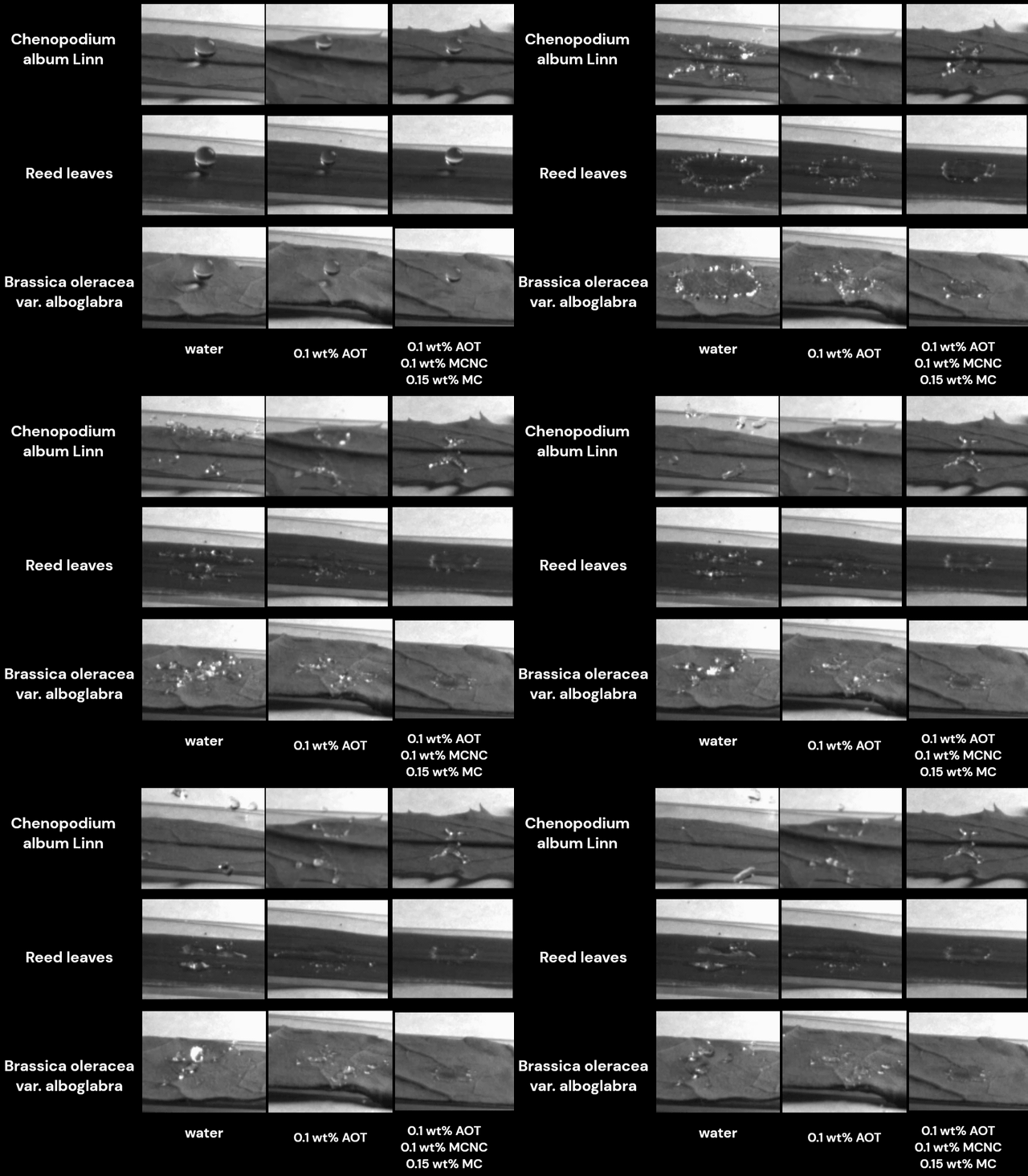
Dr. Michael Tam, a chemical engineering professor at the University of Waterloo, stated that the formulation substitutes solvent-heavy delivery systems with a primarily water-based dispersion. According to the researchers, high-speed imaging confirmed that droplets formed a thin, pancake-shaped film upon impact, rather than fragmenting or bouncing off leaves. The stabilization process is based on nanostructured cellulose crystals combined with inorganic and metallic nanoparticles.
The study, titled “Self-assembly of cellulose nanocrystals for splash suppression and enhanced pesticide delivery on hydrophobic surfaces,” was recently published in the Journal of Colloid and Interface Science and ACS Nano. The research team is currently seeking commercial partners to scale and commercialize the technology.
Sources: University of Waterloo, Journal of Colloid and Interface Science study

Enjoyed this story?
Every Monday, our subscribers get their hands on a digest of the most trending agriculture news. You can join them too!



Discussion0 comments