

Phosphate prices remain stable while urea prices decline, increasing the disparity in global fertilizer markets

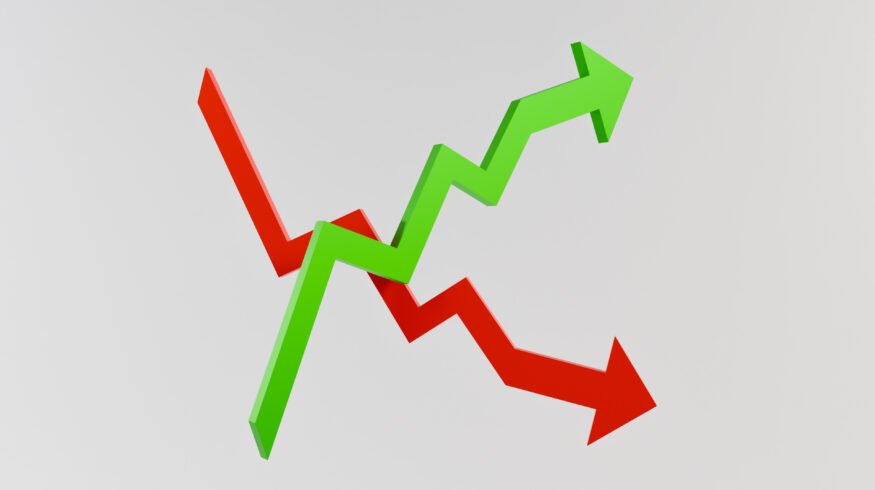

Global fertilizer markets are diverging, with phosphate prices remaining resilient while nitrogen markets decline after the reopening of the Strait of Hormuz. Urea barge prices in New Orleans have dropped over 55% from their April peak, driven by reduced geopolitical risks and increased Chinese nitrogen exports. In contrast, phosphate fertilizers have largely resisted the broader market correction.
Argus Media reports that DAP has stayed near USD 930 to 935 per tonne CFR India through late June, while MAP has traded between USD 907 and USD 927 per tonne. These contrasting price trends reflect fundamentally different supply conditions in the two nutrient markets.
The phosphate market remains tight as China, responsible for about 40% of global DAP and MAP exports, maintains strict export restrictions. “Right now, China is showing no signs of exporting phosphate anytime soon,” Josh Linville, vice president of fertilizer at StoneX, told The Western Producer. Meanwhile, Saudi Arabia, the third-largest phosphate fertilizer exporter, continues to face shipping disruptions due to vessel congestion, mine clearance, and higher insurance costs, delaying the normalization of cargo movements through the Strait of Hormuz.
Limited sulfur availability is also supporting the market. Sulfur, essential for phosphate fertilizer production, remains difficult to transport from the Persian Gulf, restricting producers outside the region, such as Morocco’s OCP, from fully replacing lost Middle Eastern supply. Linville noted that the reopening of the Strait of Hormuz “should have been massively bearish” for phosphate prices, but the market remains supported because global phosphate exports are concentrated among a few major suppliers.
For growers, the divided market indicates that fertilizer purchasing strategies may need to vary by nutrient. Nitrogen prices are expected to continue declining through the summer, while phosphate costs will likely remain high ahead of the Northern Hemisphere fall application season. A significant drop in phosphate prices will depend on both the full recovery of Gulf shipping and the potential easing of China’s export restrictions.
Source: The Western Producer

Enjoyed this story?
Every Monday, our subscribers get their hands on a digest of the most trending agriculture news. You can join them too!






Discussion0 comments