

U.S. Senate Agriculture Committee holds first fertilizer supply hearing as Hormuz crisis bites

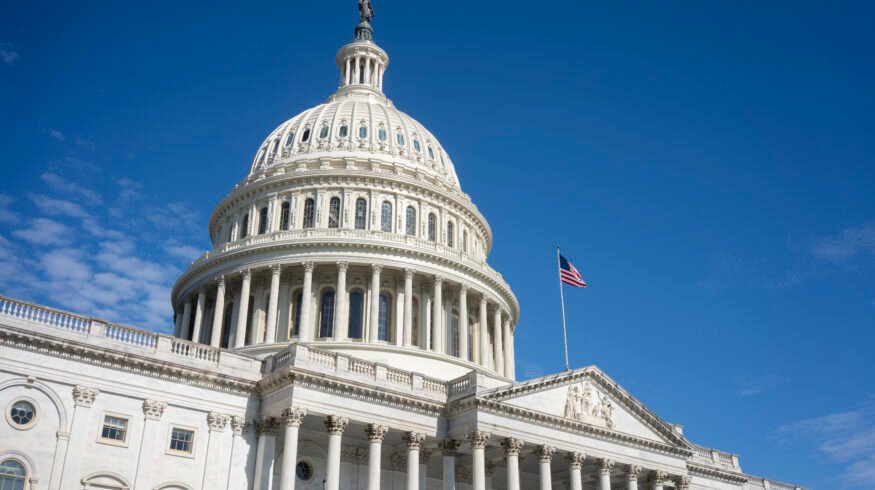

The U.S. Senate Committee on Agriculture, Nutrition, and Forestry convened its first dedicated hearing on the fertilizer supply crisis in June 2026, examining supply concentration, price volatility, and the resilience of domestic nitrogen production after three months of Strait of Hormuz disruptions.
Witnesses from across the agricultural supply chain testified on the state of the market. Pivot Bio CEO Chris Abbott appeared before the committee to argue that the crisis exposes the vulnerability of U.S. agriculture to foreign fertilizer supply chains and to press senators to support domestic biological nitrogen alternatives. Abbott cited research from Purdue University and the University of Illinois projecting that even after the Strait reopens, supply chain normalization could take months, with the 2027 planting season facing continued pressure.
A Farm Bureau survey released around the same period found that 78% of Southern farmers were unable to afford all needed fertilizer inputs this season, with smaller farms disproportionately affected. Nationally, only about 60% of corn farmers had fully secured their nitrogen needs for 2026 as of April. Farmers have increasingly substituted soybeans for corn to reduce nitrogen costs, with early estimates pointing to a one-to-two million-acre reduction in corn plantings.
Senators expressed broad bipartisan concern about the concentration of the fertilizer industry and the pace of domestic supply response. Several members signaled interest in both antitrust scrutiny of major producers and policies to accelerate domestic nitrogen capacity. StoneX vice president Josh Linville said high phosphate and nitrogen costs are likely to persist into spring 2027 regardless of how quickly Gulf shipping normalizes.

Enjoyed this story?
Every Monday, our subscribers get their hands on a digest of the most trending agriculture news. You can join them too!




Discussion0 comments