

Strait of Hormuz MoU expires without deal as vessel transits fall to 12 per day

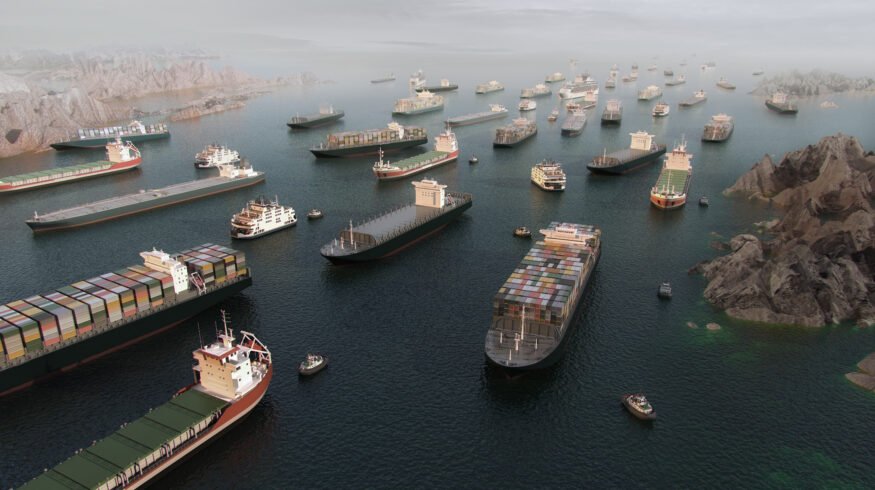

The 60-day memorandum of understanding between the United States and Iran expired on August 17 without producing a final agreement to reopen the Strait of Hormuz to normal commercial shipping, according to a UANI shipping update published on August 19.
Iran’s parliament speaker Mohammad Baqer Ghalibaf has stated that the Strait of Hormuz “will not reopen” until the United States fulfills all commitments outlined in the now-lapsed memorandum, including lifting the U.S. blockade, releasing frozen Iranian assets, ending the oil embargo, and ceasing military operations. Only 12 vessels crossed the strait on August 16 — eight inbound and four outbound — compared with more than 100 daily crossings before the conflict began in late February.
The security situation is deteriorating further. On August 19, a bulk carrier was struck by an unknown projectile in the engine room while transiting outbound through the southern corridor, killing the chief engineer, according to maritime security firm Windward. Since reimposing its blockade on July 14, U.S. forces have redirected 64 commercial vessels, disabled three non-compliant ships, and boarded two others.
The strait’s effective closure has shut off a critical fertilizer corridor. The Middle East accounts for more than 30% of global urea exports, roughly half of globally traded sulfur, and one-third of seaborne fertilizer shipments. Fertilizer-related outbound traffic from the Persian Gulf has shown no meaningful restart since the MoU was signed in June, according to WTO trade tracker data. A new CoBank report published on August 13 warned that fertilizer prices will remain elevated through 2028 as a result of the disruption.
Source: UANI
What to know about the Strait of Hormuz MoU expiry
The MoU was a 60-day agreement signed around June 17 between the United States and Iran to de-escalate the Hormuz crisis. It collapsed after attacks on commercial shipping resumed in early July, prompting the U.S. to reinstate its blockade on July 14. The agreement’s expiration on August 17 passed without a successor deal.
On August 16, only 12 vessels crossed the strait. Before the conflict began in late February, the daily average was more than 100 crossings. Some vessels are now transiting with AIS tracking switched off under U.S. escort, meaning actual traffic may be slightly higher than the visible count.
Iran’s parliament speaker said the strait will not reopen until the U.S. lifts its blockade, releases frozen Iranian assets, ends the oil embargo, ceases military operations on all fronts, and fulfills other conditions Iran says were committed to in the MoU. Iran has also established a “Persian Gulf Strait Authority” and claims no vessel may pass without its permit.
The Middle East produces more than 60 million metric tons of fertilizer and raw materials annually, much of which must transit the strait. The region accounts for more than 30% of global urea exports, roughly half of globally traded sulfur, and one-third of seaborne fertilizer shipments. According to CoBank, 31 ammonia plants in the Middle East have been directly affected or completely shut down.
A bulk carrier was struck by an unknown projectile in the engine room while transiting outbound through the southern corridor of the strait, killing the chief engineer, according to maritime security firm Windward. The vessel’s identity and flag state have not been publicly confirmed. The attack underscores the persistent risk to commercial shipping despite U.S. naval escort operations.

Enjoyed this story?
Every Monday, our subscribers get their hands on a digest of the most trending agriculture news. You can join them too!






Discussion0 comments