

US-Canada trade war threatens potash supply as 70% of farmers already struggle with fertilizer costs

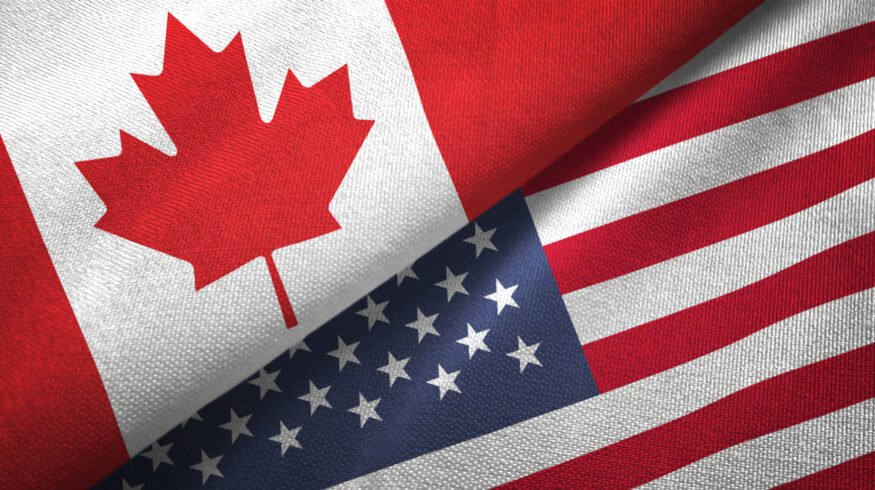

Canada’s potash was spared from the latest round of 50% U.S. tariffs on roughly $20 billion of Canadian imports, but analysts warn the fertilizer ingredient could be pulled into the escalating trade war at a time when U.S. farmers are already under acute cost pressure. President Trump imposed the tariffs through Section 338 proclamations in mid-August after bilateral trade talks broke down. Canada responded on August 25 with retaliatory tariffs of 15% to 50% on U.S. goods worth the same value, effective September 8.
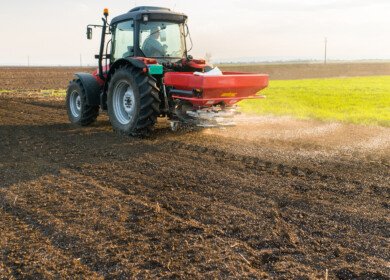
The United States depends on Canada for nearly 80% of its potash, a nutrient essential for crop quality and drought resistance, according to industry data. Domestic U.S. potash production remains minimal, and expanding capacity could take a decade or more, making short-term substitution unrealistic. A Farm Bureau survey in April 2026 found that 70% of farmers said they could not afford all the fertilizer they needed during spring planting — a figure that reflected the combined effect of the Strait of Hormuz closure on nitrogen supply and elevated phosphate prices from Chinese export restrictions.
While nitrogen must be reapplied every year, potassium and phosphorus build up as a reserve in soil. That means a farmer facing high potash prices can skip an application and draw down reserves temporarily. But if the trade war persists and Canada adds potash to its retaliatory list, the resulting price increases would eventually reach grocery shelves in the form of higher food costs, according to Jay Martin, an agriculture and water quality researcher at Ohio State University. Saskatchewan officials have warned that tariffs on Canadian potash would push the United States toward alternative suppliers such as Russia and Belarus — an outcome that would complicate the U.S. sanctions framework.
Source: The Conversation
US-Canada trade war and potash: key questions answered
The Trump administration excluded potash, sulfur, sulfuric acid and other fertilizer products from the Section 338 tariff list issued on July 20. Taxing a critical agricultural input that the United States cannot readily source elsewhere would have directly raised costs for American growers, many of whom were already reporting they could not afford their full fertilizer programs in 2026.
Canada supplies approximately 80% of U.S. potash imports, primarily from Saskatchewan mines operated by Nutrien and other producers. Domestic U.S. potash production is minimal, and industry groups say building new capacity would require a decade or more. This makes short-term substitution of Canadian supply essentially impossible.
Canada’s retaliatory tariff announcement on August 25 targets dairy, agricultural equipment and other goods worth roughly $20 billion, with duties of 15% to 50% taking effect on September 8. Potash is not currently on the list, but analysts note an “unspoken threat” that the list could expand to include fertilizer ingredients if the trade war escalates further.
Unlike nitrogen, which washes out of soil and must be reapplied annually, potassium and phosphorus accumulate as a reserve. Farmers can skip one or two seasons and live off that reserve without an immediate yield collapse. However, prolonged underapplication degrades soil fertility, increases vulnerability to drought and disease, and eventually reduces yields — effects that would translate into higher food prices long after the tariffs are lifted.
Alternative suppliers include Russia, Belarus, Israel, Jordan and Germany. However, Russia and Belarus face existing sanctions and trade restrictions, making them problematic substitutes. Saskatchewan officials have warned that pushing the United States toward Russian potash would undermine the broader sanctions framework. Other sources lack the volume and logistics infrastructure to replace Canadian supply at scale.

Enjoyed this story?
Every Monday, our subscribers get their hands on a digest of the most trending agriculture news. You can join them too!



Discussion0 comments