

Victorian Hydrogen proposes $1.77 billion New Zealand project to produce fertilizer from brown coal

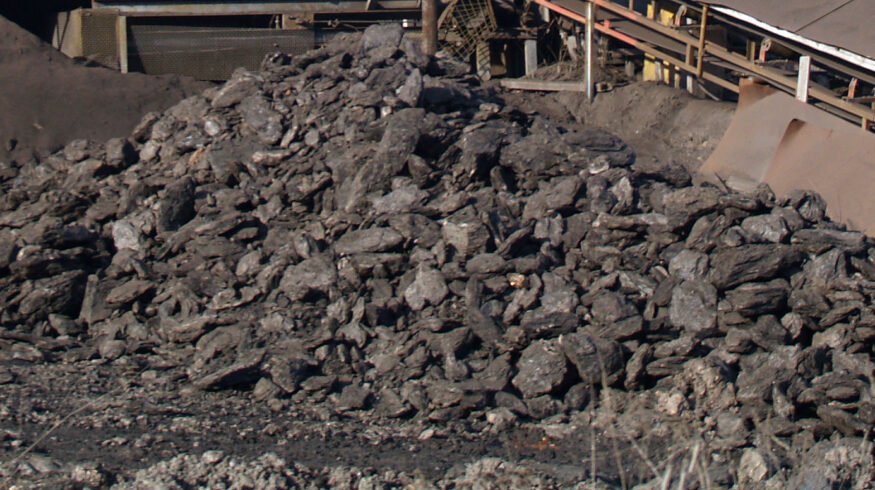

Victorian Hydrogen, a Melbourne-based energy developer, has proposed a $1.77 billion project to produce ammonia and urea from brown coal (lignite) in New Zealand, potentially establishing the country’s first large-scale fertilizer manufacturing facility. The project would use brown coal gasification to generate hydrogen, which would then be combined with atmospheric nitrogen through the Haber-Bosch process to produce ammonia for conversion to urea.
New Zealand currently imports all of its urea requirements, making it one of the few OECD agricultural economies without domestic nitrogen fertilizer production. The Victorian Hydrogen project aims to reduce that import dependency while using a lower-cost feedstock than natural gas, which has become increasingly expensive in the Asia-Pacific region following the Strait of Hormuz disruption.
The brown coal gasification approach stands apart from the wave of green ammonia projects announced globally over the past two years, which rely on electrolysis-derived hydrogen powered by renewable energy. Victorian Hydrogen has described the project as a transitional pathway, arguing that coal gasification with carbon capture offers a faster route to domestic production than waiting for green hydrogen costs to decline. Environmental groups have raised concerns about the emissions profile of any coal-based project, even with capture technology.
The company has not disclosed a construction timeline or confirmed regulatory approvals. If built, the facility would produce both agricultural-grade urea and industrial ammonia for export markets across the Asia-Pacific.
Source: World Fertilizer
Key questions about the Victorian Hydrogen New Zealand project
New Zealand has limited natural gas reserves and no existing ammonia production infrastructure. Brown coal (lignite) is abundant in parts of New Zealand and offers a lower-cost hydrogen feedstock than imported LNG. The developer argues this provides a faster and cheaper path to domestic fertilizer production than green hydrogen electrolysis, which requires large-scale renewable power and electrolyzer capacity that remains expensive.
New Zealand produces superphosphate and some specialty fertilizers domestically through companies like Ballance Agri-Nutrients and Ravensdown, using imported raw materials. It does not produce urea or ammonia. All nitrogen fertilizer is imported, primarily from the Middle East and Southeast Asia — supply chains that have been disrupted by the Strait of Hormuz crisis.
Coal gasification produces significantly higher CO2 emissions per tonne of ammonia than either natural gas reforming or green hydrogen electrolysis. Victorian Hydrogen has indicated the project would incorporate carbon capture technology, though the company has not published a capture rate or total lifecycle emissions estimate. New Zealand’s climate targets and Emissions Trading Scheme may also impose costs on the project.
The Asia-Pacific is seeing both green and fossil-based fertilizer investment. Chile approved an $11 billion green ammonia project by HNH Energy in September 2026, while India and Indonesia are expanding conventional urea capacity. At $1.77 billion, the Victorian Hydrogen project is mid-sized by regional standards and aims to compete on feedstock cost rather than environmental credentials.
Victorian Hydrogen has not disclosed a construction timeline or confirmed regulatory approvals as of September 2026. Large-scale coal gasification plants typically require 4–6 years from final investment decision to first production. Permitting, environmental review and financing could add additional time, placing earliest production no sooner than the early 2030s.

Enjoyed this story?
Every Monday, our subscribers get their hands on a digest of the most trending agriculture news. You can join them too!




Discussion0 comments