

8 Florida lawmakers urge Trump to act on sulfur shortage idling U.S. phosphate plants

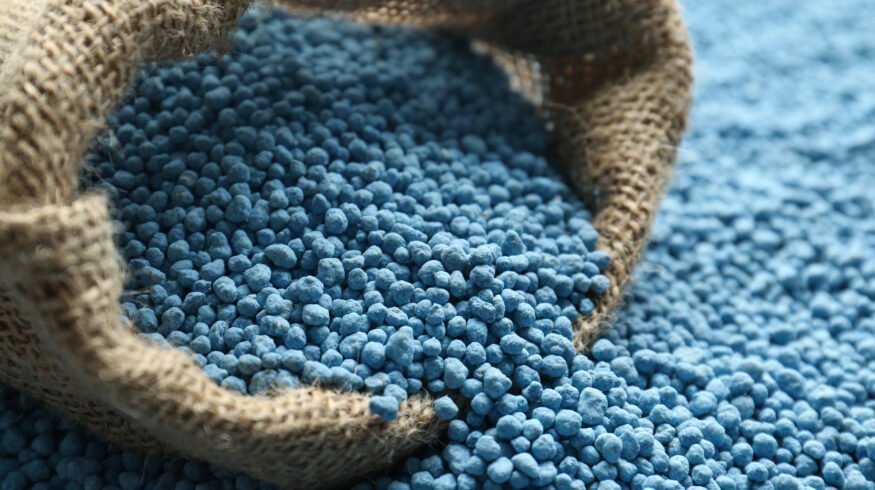

Eight members of Florida’s congressional delegation sent a letter to President Donald Trump and Commerce Secretary Howard Lutnick on September 9 urging immediate action on a sulfur shortage that is idling U.S. phosphate fertilizer plants and threatening the country’s food supply.
Led by Rep. Scott Franklin (R-FL), the letter warns that sulfur delivered to Tampa — the hub of U.S. phosphate production — previously averaged about $172 per long ton over the past decade. Since May 2026, spot prices have climbed above $1,100 per metric ton, an increase of more than 500%. “American workers will soon face layoffs because of sulfur availability and affordability,” the lawmakers wrote. “Once production capacity is lost, it cannot be quickly restored, nor can manufacturers easily make up lost fertilizer volumes before future planting seasons.”
The sulfur shortage has already forced domestic phosphate producers to reduce or halt operations. Mosaic, the largest U.S. phosphate producer, cut production rates by roughly 50% at its Bartow, Florida, and Faustina, Louisiana, facilities earlier this year and reported a net loss of $273 million in the second quarter. The Fertilizer Institute has noted that every 10 metric tons of DAP or MAP requires approximately 4 metric tons of sulfur, making the raw material’s price the single largest variable in phosphate manufacturing costs.
The lawmakers asked the administration to appoint a senior official to coordinate with Congress on the sulfur supply crisis. Florida is the center of U.S. phosphate rock mining and fertilizer manufacturing, and the disruption comes as farmers prepare to make fall application and purchasing decisions for the 2027 crop year.
Nearly half of global seaborne sulfur exports typically flow through the Strait of Hormuz, which has been largely closed since hostilities began in late February 2026. Russia and China have imposed separate export controls that further tightened supplies, leaving U.S. refiners as one of the few remaining sources for domestic phosphate producers. University of Illinois researchers estimated that sulfur spot prices have risen more than 130% since the start of 2026 and more than 300% since August 2025.
Source: Agri-Pulse
Key questions about the U.S. sulfur shortage and phosphate production
Sulfur is converted into sulfuric acid, which acidulates phosphate rock into usable fertilizer products like DAP and MAP. Producing 10 tonnes of finished phosphate fertilizer requires approximately 4 tonnes of sulfur. When sulfur prices surge from a historical average of $172 per long ton to above $1,100 per metric ton, manufacturing costs rise faster than phosphate selling prices, making production unprofitable.
The Middle East accounts for roughly half of all global seaborne sulfur exports, with Saudi Arabia, Qatar, the UAE and Kuwait among the largest shippers. Russia is another major source. The effective closure of the Strait of Hormuz since February 2026, combined with Russian export restrictions and a Chinese ban on standard-grade sulfuric acid exports since May, has removed the three largest supply categories simultaneously.
Mosaic has cut production by approximately 50% at two U.S. plants and idled facilities in Brazil. The company withdrew its full-year phosphate production guidance and reported a $273 million net loss in the second quarter. Other domestic producers have also curtailed operations, reducing overall U.S. phosphate output at a time when imports are constrained by the Hormuz closure and duty structures on foreign suppliers.
Average U.S. retail prices stood at $916 per ton for DAP and $959 per ton for MAP as of late August 2026, according to DTN. With reduced domestic production, constrained imports and sulfur costs that may not yet be fully reflected in retail pricing, researchers at the University of Illinois and Ohio State have warned that phosphate costs could climb further before a correction.
President Trump declared an emergency on June 29, temporarily suspending countervailing duties on Moroccan phosphate imports for up to eight months. The USDA launched the FIELDS program, a $500 million initiative to fund domestic fertilizer production. Bipartisan legislation — the Lowering Input Costs for American Farmers Act — would permanently eliminate Moroccan phosphate duties but has not yet advanced through committee.

Enjoyed this story?
Every Monday, our subscribers get their hands on a digest of the most trending agriculture news. You can join them too!








Discussion0 comments