

Biome Makers’ AI model reveals 99% of soils below carbon capacity

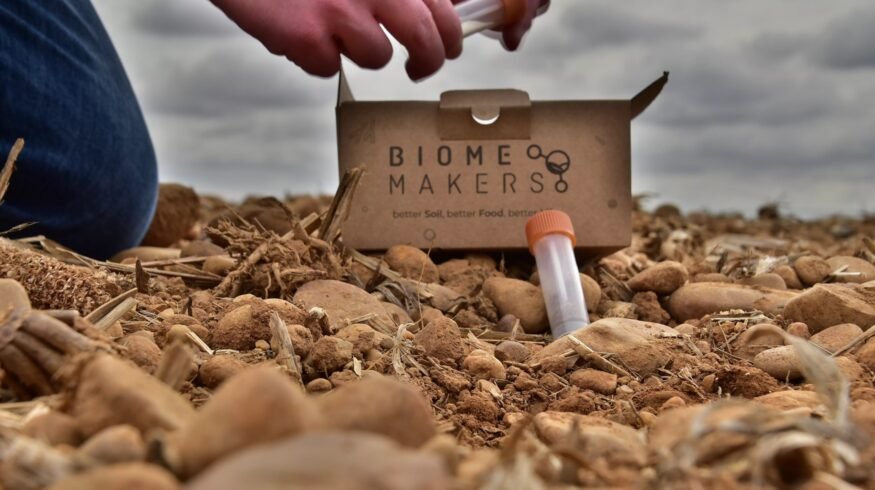

Biome Makers has added two new carbon metrics, Maximum Carbon Capacity and Carbon Saturation Percentage, to its BeCrop Farm soil-intelligence platform, the agtech company said September 17. The AI-driven model estimates the theoretical upper limit of carbon dioxide equivalent (CO2e) a given soil can hold, based on biological data, physicochemical properties and spectral environmental indices, then compares that ceiling with a farm’s current carbon level.
An analysis of more than 11,000 global soil samples found that 99% sit below 50% of their modeled carbon capacity, with an average saturation of 3.1% and an average unrealized capacity of 153 metric tons of CO2e per hectare, according to Biome Makers. The Maximum Carbon Capacity metric is available at no additional cost to BeCrop Farm users on platform version 4.0; the saturation figure requires a farm project configured with the platform’s physicochemical carbon dimension.
The model is intended to help agronomists and sustainability programs target regenerative-agriculture investment toward fields with the greatest modeled carbon growth potential, rather than relying solely on current measurements. Biome Makers joins a growing field of soil-carbon modeling tools, including Embrapa and Bayer’s ProCarbon-Soil model for tropical farms. The company has not disclosed independent, peer-reviewed validation of the carbon-capacity predictions; the figures come from its own analysis of its customer sample database.
Source: Global Agriculture
Biome Makers’ carbon capacity model: five things to know
Maximum Carbon Capacity estimates, in metric tons of CO2e per hectare, the theoretical upper limit of carbon a given soil can hold. Carbon Saturation Percentage compares a field’s current carbon level against that modeled ceiling, showing how much capacity remains unused, according to Biome Makers.
The model combines Biome Makers’ proprietary BeCrop biological soil data with physicochemical parameters and spectral environmental indices. The company has not published the underlying algorithm or a peer-reviewed methodology paper, so the exact weighting of these inputs is not independently disclosed.
Biome Makers said the analysis found 99% of soils sit below half of their modeled maximum carbon capacity, with an average saturation of just 3.1% and an average unrealized capacity of 153 metric tons of CO2e per hectare.
Biome Makers has not disclosed independent, peer-reviewed validation of the carbon-capacity predictions. The figures published so far come from the company’s own analysis of its customer sample database rather than a third-party study.
The Maximum Carbon Capacity metric is available immediately at no additional cost to all BeCrop Farm users on platform version 4.0. The Carbon Saturation Percentage metric requires a farm project configured with the platform’s physicochemical pH/carbon dimension, according to the company.

Enjoyed this story?
Every Monday, our subscribers get their hands on a digest of the most trending agriculture news. You can join them too!






Discussion0 comments