

Electrochemical ammonia breakthrough: gallium cathode hits 96% efficiency in Monash study

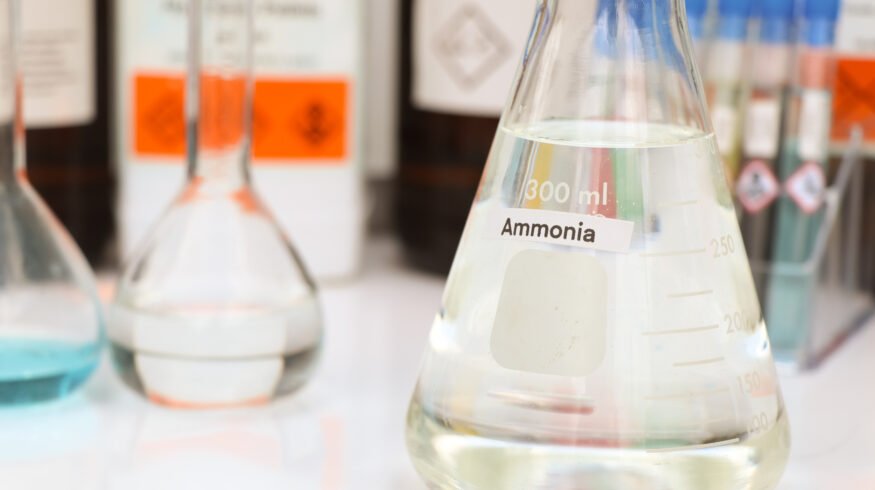

Researchers at Monash University and RMIT University in Australia have produced electrochemical ammonia with a faradaic efficiency of 96% ± 6% using a new gallium-based cathode, a result that tackles the energy losses holding back fossil-free ammonia synthesis. The work was published in Cell Press Blue.
Faradaic efficiency measures how much of the electrical current ends up making the target product. At 96%, almost all of the current went into ammonia rather than side reactions. The team estimates the approach could support electrochemical ammonia production at an overall energy efficiency of at least 22%, a step toward the cost levels needed to compete with conventional plants.
For the fertilizer industry, the stakes are large. Almost all ammonia, the building block of urea, UAN and ammonium nitrate, is still made through the Haber-Bosch process, which runs at roughly 300 °C to 500 °C and 150 to 300 atmospheres and relies on natural gas or coal for hydrogen. An electrochemical route that runs on renewable power at ambient conditions would decouple nitrogen fertilizer from fossil fuel prices.
What is lithium-mediated nitrogen reduction?
Nitrogen gas is extremely stable and hard to split. In lithium-mediated nitrogen reduction, an electric current deposits lithium at the cathode. The lithium reacts with nitrogen, and the resulting compound is protonated to release ammonia. Monash researchers describe it as the only proven electrochemical pathway that converts nitrogen to ammonia at practical rates.
The catch is energy. Plating pure lithium metal requires a very negative electrode potential, and that voltage penalty has capped how efficient the process can become, even when nearly all the current goes to ammonia.
How gallium changes the electrochemical ammonia equation
Instead of forming lithium metal on a conventional electrode, the Monash-RMIT team used gallium-based materials that alloy with lithium. Because the lithium is absorbed into the alloy, the reaction can proceed at less extreme potentials than lithium plating, lowering the energy needed per tonne of ammonia while keeping selectivity high.
Lead author Dr. Rebecca Hodgetts of the Monash School of Chemistry said the new cathode materials “change the rules of the game” by redefining what had been seen as a fundamental limit of the chemistry. Emeritus Professor Douglas MacFarlane said the field had essentially relied on a single cathode process until now, and that lithium-alloying materials broaden the chemistry available to researchers working on renewable ammonia.
From lab benchmarks to electrochemical ammonia plants
Efficiency is only one of the hurdles. The Ammonia Energy Association has cited commercialization benchmarks for lithium-mediated systems of more than 265 grams of ammonia per square meter of electrode per hour, at a faradaic efficiency above 50%. Earlier Monash work pushed faradaic efficiency close to 100% through electrolyte design, and researchers at the Technical University of Denmark have reported rates above 1,500 grams per square meter per hour, according to the association.
The new paper addresses the third leg of that stool: energy efficiency. Production rates, electrode durability and long-run stability for the gallium cathodes still need to be demonstrated. The researchers say they are now working to scale up the cathodes and show long-term ammonia production at competitive energy efficiency.
Commercial green ammonia today pairs electrolyzers with conventional Haber-Bosch loops, as in a wind-powered pilot in Minnesota, and developers are chasing efficiency gains in the hydrogen step, such as the Hysata electrolyzer selected by InterContinental Energy. Direct electrochemical ammonia would skip the separate hydrogen and high-pressure synthesis stages altogether.
That simplicity matters most for small, distributed units that could one day make nitrogen fertilizer on or near the farm from local solar or wind power. The gallium result does not make that a reality yet, but it removes one of the clearest physical objections to the idea.
Source: Monash University

Enjoyed this story?
Every Monday, our subscribers get their hands on a digest of the most trending agriculture news. You can join them too!






Discussion0 comments