

USDA conservation funding boosts 42 projects with $325 million

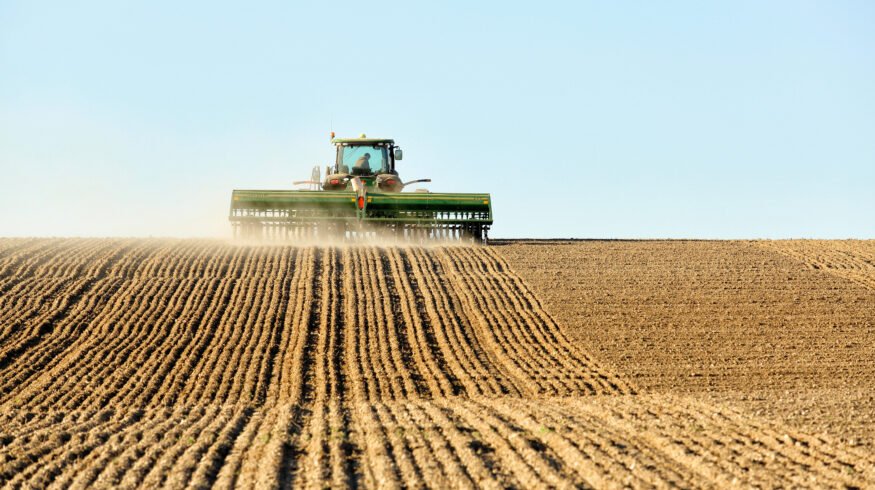

The U.S. Department of Agriculture (USDA) will invest more than $325 million in 42 projects through its Regional Conservation Partnership Program (RCPP), supporting farmers, ranchers and forest landowners in improving agricultural operations and conserving natural resources.
Agriculture Secretary Brooke Rollins announced the funding on October 26, 2026, during a visit to Iowa. The projects will address soil health, water quality, wildlife habitat and the long-term productivity of agricultural and forestland. According to USDA, 75% of this year’s RCPP funding will go directly to farmers or cover the costs of implementing conservation practices.
RCPP combines federal funding with private-sector and local partnerships to address natural resource challenges on working agricultural land. The latest awards include projects focused on nutrient management, grazing infrastructure, forest conservation, coastal grasslands and watershed restoration.
USDA conservation funding targets nitrogen and phosphorus losses in Iowa
One of the projects, developed with the Iowa Department of Agriculture and Land Stewardship, will cover western and central Iowa. It will combine cover crops, forage and biomass plantings, livestock watering systems and other conservation practices.
The initiative aims to establish more than 300,000 acres of cover crops and reduce nitrogen losses by approximately 3.3 million pounds and phosphorus losses by 336,000 pounds. USDA also estimates that the project will prevent 1 million tons of soil loss while strengthening grazing systems and farm profitability.
Iowa Agriculture Secretary Mike Naig said the funding would help expand the state’s Cattle and Conservation Working Lands Program, which began as a pilot in Taylor County in 2016. The new partnership will support infrastructure improvements and extend the program to livestock producers in additional counties.
The Iowa project links field-level practices with nutrient management, an issue also addressed in Iowa State’s guidance on measuring residual soil nitrogen. Nitrogen and phosphorus runoff also contributes to water-quality problems downstream, including the Gulf of Mexico’s seasonal hypoxic zone, covered in Fertilizer Daily’s report on NOAA’s 2026 dead-zone forecast.
Other RCPP projects target forests, grasslands and salmon habitat
The selected projects also include conservation initiatives in Georgia, Texas and Washington.
In southwest Georgia, Tall Timbers Research will lead a project to protect at least 6,000 acres of working forest through voluntary conservation easements across 16 counties. The initiative will focus on restoring longleaf pine forests, improving wildlife habitats and protecting water quality. It has secured more than $10 million in matching contributions.
In Texas, the Texas Agricultural Land Trust will lead a partnership to conserve remaining coastal tallgrass prairie along the Gulf Coast. The project will use voluntary, producer-driven agricultural conservation easements to protect working lands from development pressure, rising land values and habitat fragmentation. The partnership aims to keep the land available for food and fiber production while maintaining wildlife habitat and watershed functions.
In Washington state, the Lummi Nation and Nooksack Indian Tribe will lead the second phase of a Nooksack Watershed restoration project. Planned work includes installing engineered logjams, improving floodplain and wetland habitats, and planting riparian trees across 256 acres. The measures are intended to improve water quality and restore habitats for endangered salmon.
NRCS priorities include soil health and precision agriculture
The Natural Resources Conservation Service (NRCS), which administers RCPP, ranked proposals according to their potential to improve soil health, water quality and wildlife habitat while maintaining the long-term viability of agricultural, grassland and forestland.
Priority areas included practices that minimize soil disturbance, maintain soil cover and keep living roots in the ground throughout the year. The agency also encouraged the use of precision agriculture technologies to target conservation measures according to field conditions and improve resource efficiency.
The funding opportunity included a $30 million allocation for projects led by Indian Tribes. USDA also emphasized technical and financial assistance for farmers, including support for conservation planning and the design of field-level practices.
The Working Families Tax Cuts Act provides long-term funding for NRCS conservation programs, including RCPP, through fiscal 2031. USDA said it has also streamlined partnership agreements and increased program flexibility over the past year.
The latest awards expand federal support for voluntary conservation on working lands. USDA said 75% of the $325 million allocation will reach farmers directly or pay for conservation practice implementation. The agency has published the RCPP program and project information.

Enjoyed this story?
Every Monday, our subscribers get their hands on a digest of the most trending agriculture news. You can join them too!



Discussion0 comments