

Trump’s Belarus potash deal unlikely to have much U.S. impact

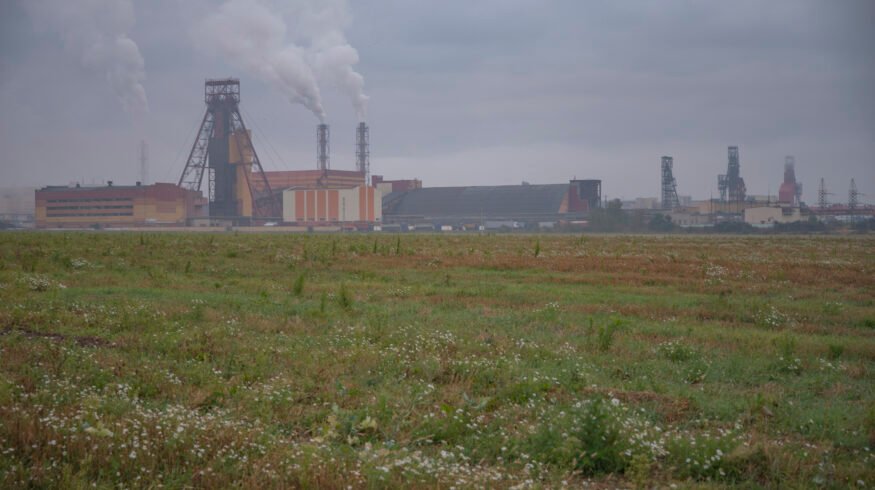

The Fertilizer Institute estimates Belarus could add 1 million to 1.5 million metric tons a year to U.S. supply, but Canada would remain the main source.
Belarus could add 1 million to 1.5 million metric tons of potash a year to U.S. supply, about 8% to 12% of the 12.6 million metric tons the U.S. imported in 2025, according to a white paper from The Fertilizer Institute (TFI). Canada supplies about 85% to 90% of U.S. potash imports and would remain the main supplier.
The obstacles are commercial and logistical. Most Belarusian potash already has buyers. The number of countries receiving Belarusian exports fell from more than 80 in 2021 to fewer than 20 in 2024, and China’s share grew 65% over the same period. Belarus is also landlocked and has lost its route through Lithuania, so its shipments already travel longer rail routes through Russia.
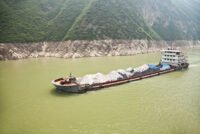
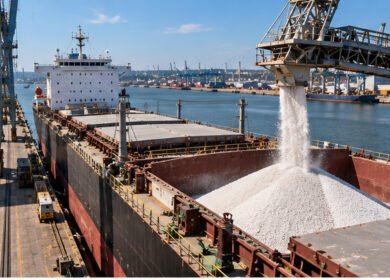
A cargo to the U.S. would need an ocean voyage and then an inland trip, most likely through the Port of New Orleans. Winter ice closes the Upper Mississippi to barges, and low water in the fall limits how much barges can carry, the paper said.
President Donald Trump announced a purchasing agreement for Belarusian potash on social media at the end of September. TFI’s Christopher Glen wrote that moving more volumes to the United States “would take more than signing a purchase agreement.”
Sources: Farm Progress
Questions and answers
Belarus could realistically supply an extra 1 million to 1.5 million metric tons of potash a year to the U.S., about 8% to 12% of 2025 imports.
The U.S. imported 12.6 million metric tons of potash in 2025, according to USGS data cited by TFI. About 85% to 90% of those imports came from Canada.
Most of its potash already has destinations. Shipping more to the U.S. would mean diverting product from existing customers, and Belarus is unlikely to do that. Its landlocked position also adds rail costs through Russia.
Rail to an overseas port, an ocean voyage, then an inland trip, most likely through the Port of New Orleans. TFI notes that winter ice and low fall water levels limit barge traffic.
At the end of September, on social media. TFI says signing the agreement alone would not shift supply.

Enjoyed this story?
Every Monday, our subscribers get their hands on a digest of the most trending agriculture news. You can join them too!





Discussion0 comments