

Canpotex Invests C$500M in World’s Largest Potash Export Terminal

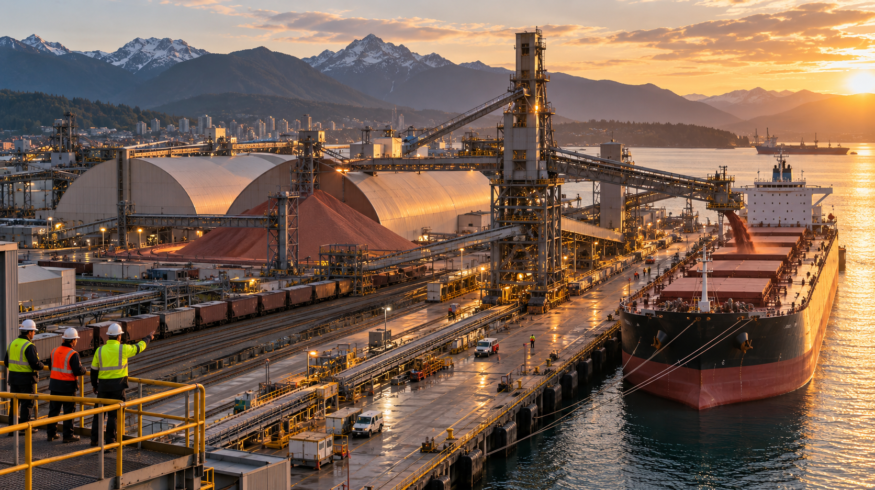

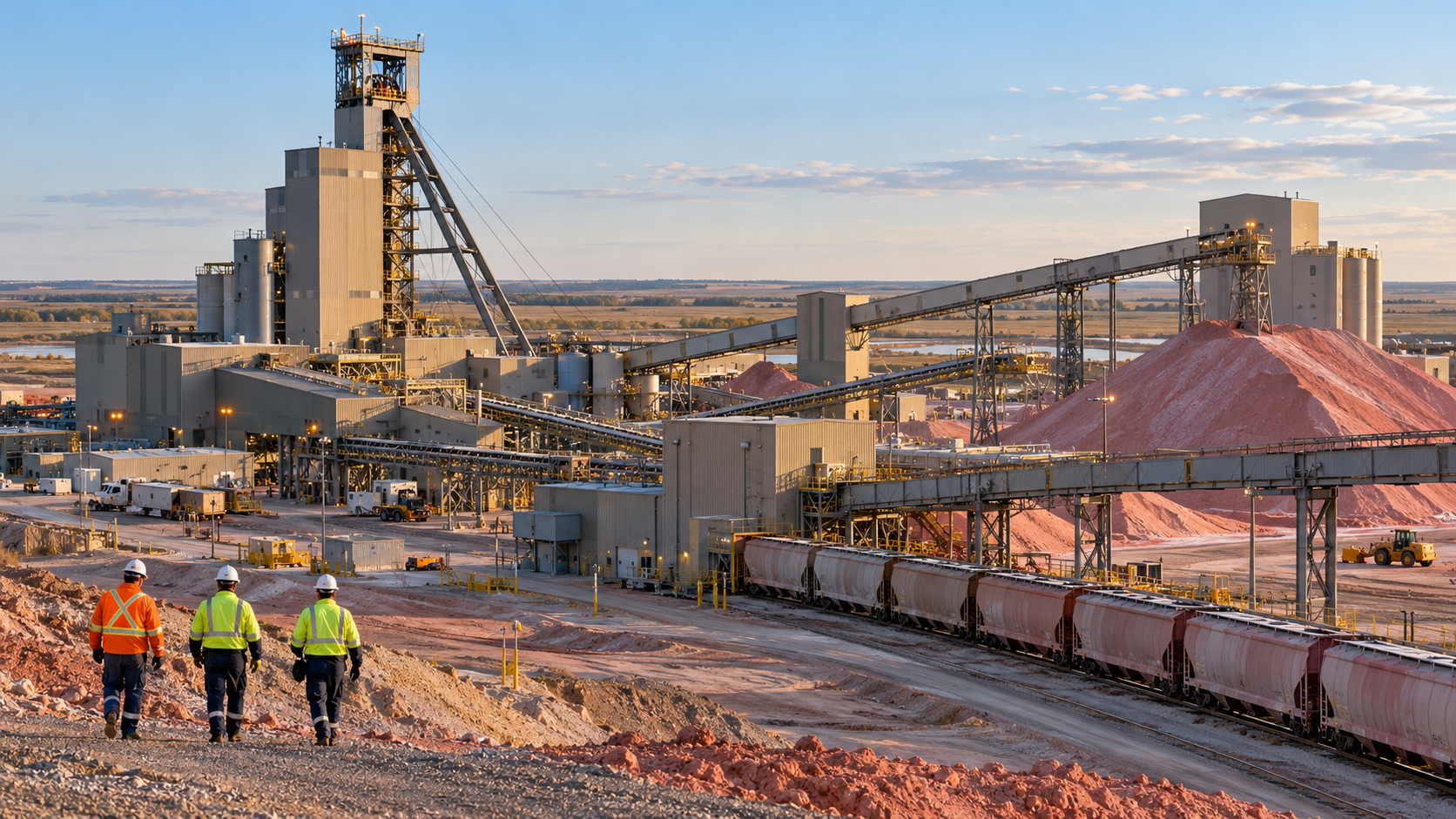
Canpotex will invest C$500 million to modernize Neptune Bulk Terminals at the Port of Vancouver, its largest supply-chain investment to date and a major upgrade to the export infrastructure that moves Saskatchewan potash to overseas fertilizer markets.
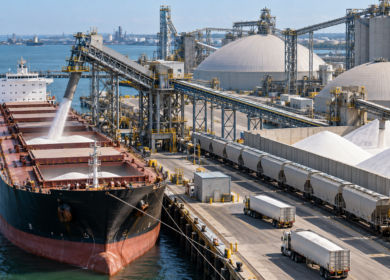
The project, announced on September 25, 2026, will replace and modernize key marine and terminal equipment, including shiploaders, conveyors and the railcar dumper pit used to unload potash trains and transfer product to ocean-going vessels.
Construction is expected to be completed in 2028. Canpotex said potash shipments will continue during the work without interruption.
Canpotex launches C$500 million Neptune modernization
Canpotex announced the project at a groundbreaking ceremony in Vancouver attended by Neptune Bulk Terminals, federal and Saskatchewan government representatives, the Port of Vancouver and supply-chain partners.
Canpotex describes Neptune as the world’s largest potash export terminal and the Port of Vancouver as the most important export gateway for Saskatchewan potash.
The C$500 million investment will focus on the infrastructure required to move potash from rail to vessel:
- replacement of aging potash shiploaders;
- modernization of conveyor systems;
- replacement and upgrading of the railcar dumper pit;
- associated marine and terminal infrastructure improvements.
The new investment builds on nearly C$1.5 billion that Canpotex says it has invested at Neptune during the past 20 years.
| Neptune modernization | Project detail |
|---|---|
| Investment | C$500 million |
| Location | Neptune Bulk Terminals, North Vancouver, British Columbia |
| Main upgrades | Shiploaders, conveyors, railcar dumper pit and marine infrastructure |
| Expected completion | 2028 |
| Construction jobs | 400–500 |
| Canadian supplier and contractor spending | 85–90% of project spending |
| Shipments during construction | Expected to continue uninterrupted |
Neptune is the core Pacific gateway for Canpotex potash
Neptune Bulk Terminals is located on the north shore of Burrard Inlet at the Port of Vancouver. The terminal handles Canadian potash from Saskatchewan as well as steelmaking coal from western Canada.
Neptune says all potash moving through the terminal originates from Saskatchewan mines. Potash arrives by rail and is unloaded into covered storage before being transferred by conveyor to vessels at the terminal’s potash berths.
The terminal operates 24 hours a day and has dedicated potash loading infrastructure at Berths 2 and 3.
Neptune has become especially important to Canpotex because it handles the majority of the company’s offshore potash shipments. The terminal has said that approximately 70% of Canpotex potash passes through Neptune.
Canpotex now exports more than 15 million tonnes of Canadian potash annually to more than 140 customers in 40 countries, primarily across Asia, South America and Oceania.
That scale makes the reliability of the Vancouver export corridor a material factor not only for Canadian producers but also for fertilizer buyers in countries including Brazil, China, India and Indonesia.
From Saskatchewan mines to Vancouver vessels
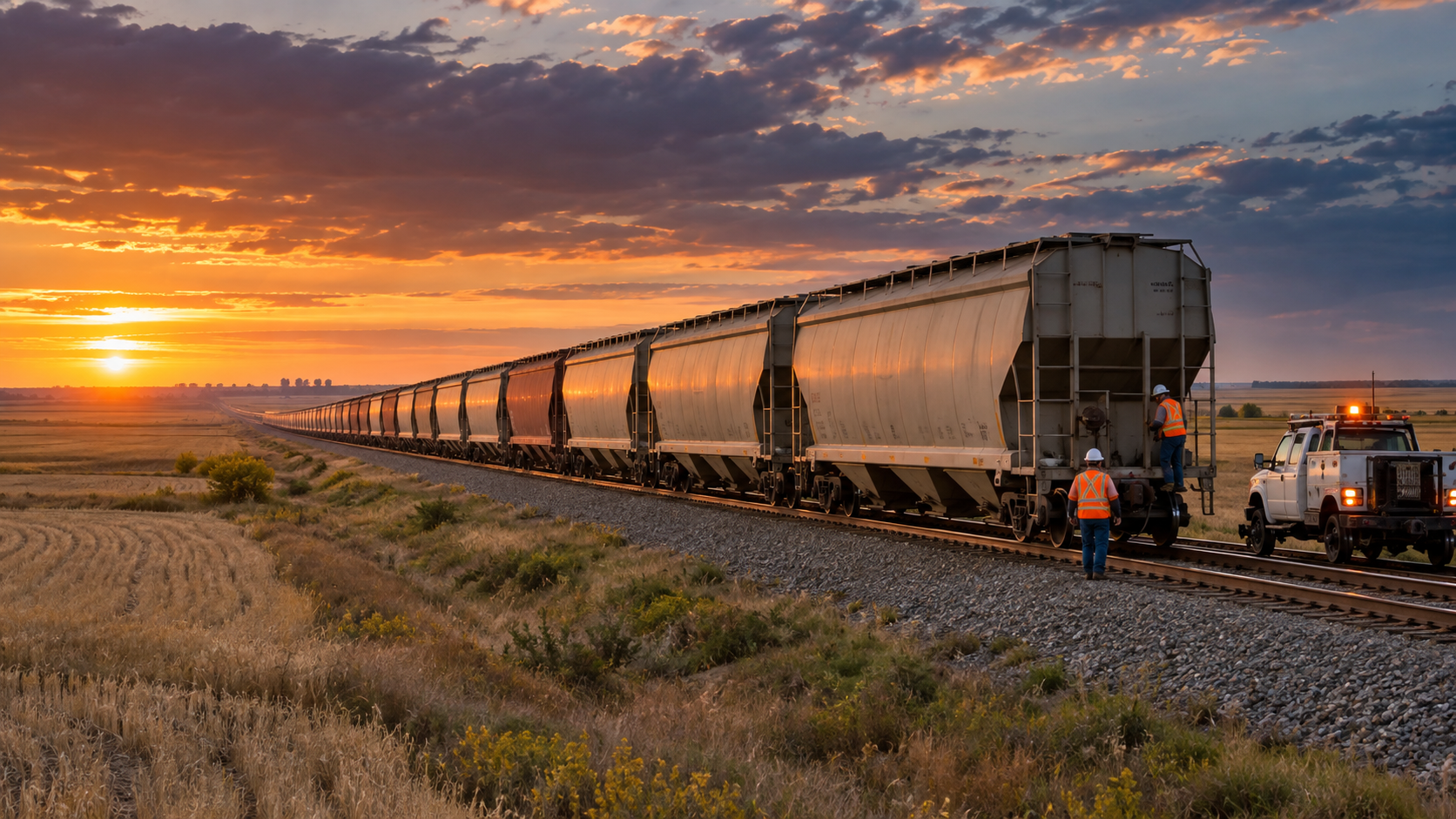
Canadian potash begins its export journey roughly 2,000 kilometres inland in Saskatchewan, where the country’s major potash mines are concentrated.
Canpotex markets potash produced by its shareholders, Nutrien and Mosaic, and coordinates the movement of that product from mine sites to overseas customers.
The company operates a highly specialized logistics system that includes more than 8,500 custom railcars, a railcar maintenance facility in Saskatchewan, port infrastructure and chartered ocean vessels.
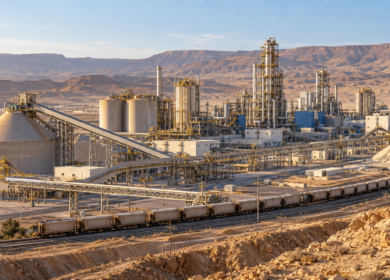
At Neptune, trains arriving from Saskatchewan are unloaded through the terminal’s potash dumper system. The fertilizer is then either moved into covered storage or transferred onward for vessel loading.
The need to modernize this chain has become more important as both Canadian potash output and global fertilizer trade volumes increase.
Canada produced about 31% of the world’s potash in 2025
Canada remains the world’s largest potash producer by a substantial margin.
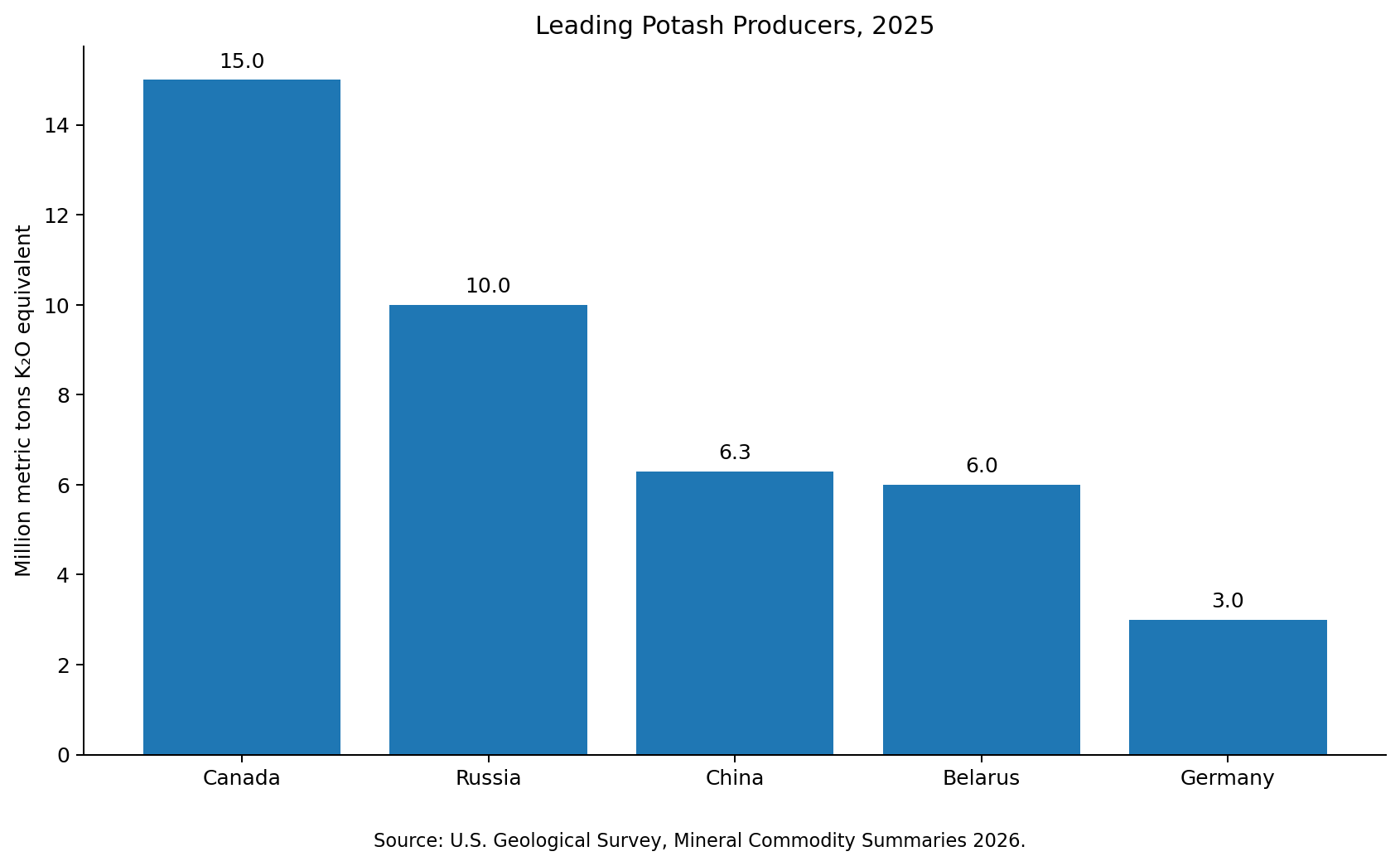
The U.S. Geological Survey estimated Canadian potash mine production at approximately 15 million tonnes of K₂O equivalent in 2025, compared with global production of about 49 million tonnes.
That means Canada accounted for roughly 31% of world potash mine production.
| Country | 2025 potash production |
|---|---|
| Canada | 15.0 Mt K₂O equivalent |
| Russia | 10.0 Mt |
| China | 6.3 Mt |
| Belarus | 6.0 Mt |
| Germany | 3.0 Mt |
| World total | 49.0 Mt |
Fertilizer Daily reported earlier this year that global potash output increased approximately 5% in 2025, with Canada remaining the largest producer.
Higher production makes export infrastructure increasingly important. Potash deposits are geographically concentrated, while the largest fertilizer demand centers are thousands of kilometres away from Saskatchewan.
Saskatchewan potash exports rebounded in 2025
Canadian export data reinforce the scale of the trade.
Natural Resources Canada reported that Canadian potash exports reached approximately C$9.0 billion in 2025, increasing 13% from the prior year as market conditions improved.
The Government of Saskatchewan separately reported that provincial potash export volumes and values strengthened during 2025, with total potash exports increasing 13.5% year on year.
Potash also generated approximately C$9.3 billion in Saskatchewan mineral sales in 2025, up more than 18%, according to the provincial government.
The combination of stronger output, higher export value and continued offshore demand creates a clear commercial rationale for upgrading the infrastructure used to move fertilizer from landlocked Saskatchewan to deep-water ports.
Demand was strong enough for Canpotex to fully commit H1 volumes
The Neptune investment also follows a period of strong international demand.
In April, Canpotex said it was fully committed on potash sales volumes through June 30, 2026, citing solid agricultural fundamentals and continued focus on food security in key offshore markets.
Nutrien also reported record quarterly potash sales volumes in the first quarter of 2026, supported by demand from Brazil, India and Southeast Asia.
Fertilizer Daily reported in May that Nutrien maintained full-year 2026 potash sales guidance of 14.1–14.8 million tonnes.
Large agricultural import markets remain structurally dependent on international fertilizer flows. In the latest Fertilizer Daily ranking of major fertilizer import markets, Brazil, the United States, India and China all remained among the world’s largest fertilizer buyers during the first half of 2026.
The project is about reliability more than headline capacity
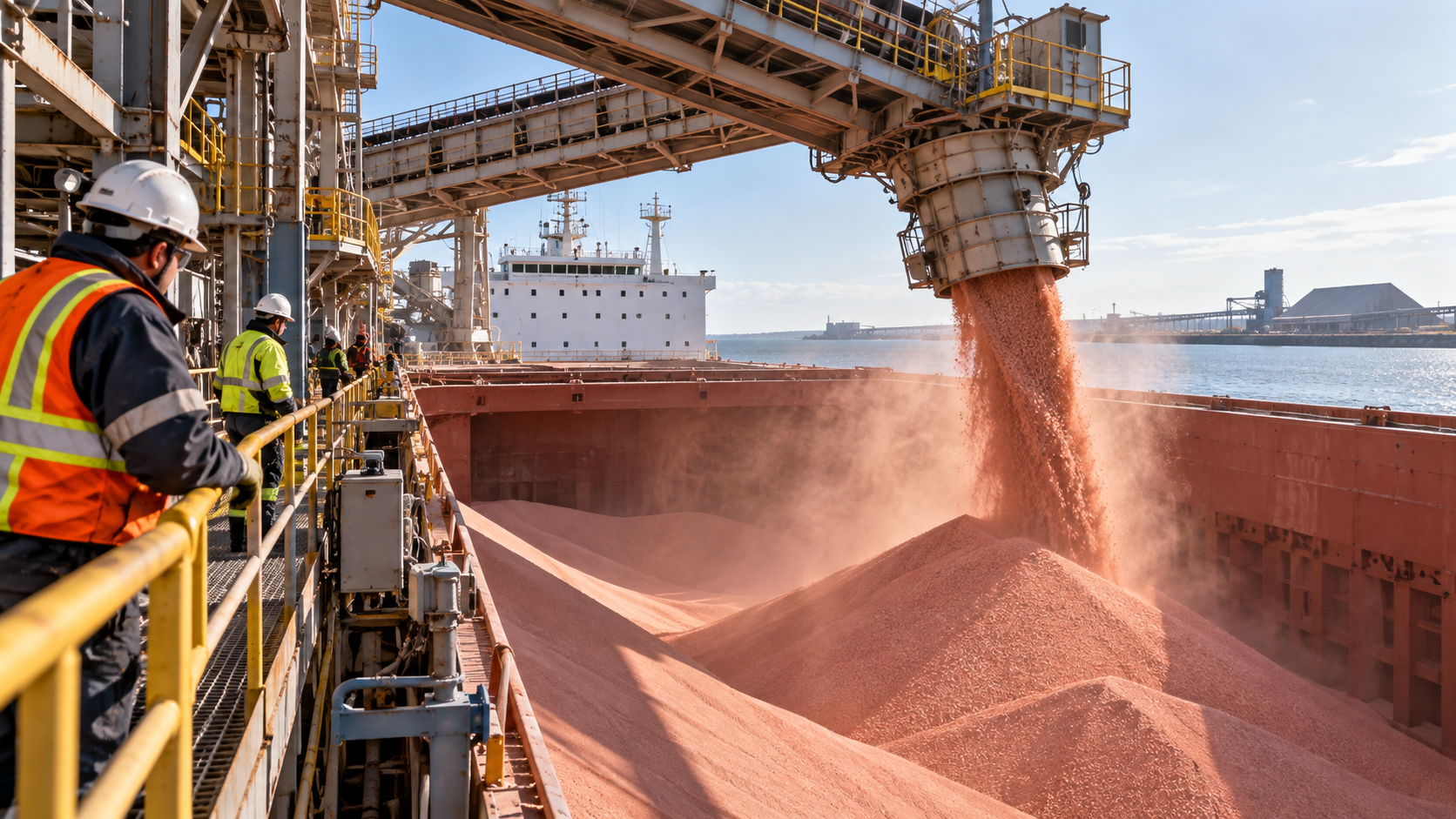
The most important feature of the Neptune project is not necessarily the addition of a single new block of nominal export capacity.
Much of the work is focused on replacing infrastructure that has been operating for decades.
Port of Vancouver project documents show that some of Neptune’s existing potash shiploaders have been in operation for more than 50 years. Replacing these systems reduces the risk that aging equipment becomes a bottleneck for a fertilizer supply chain handling millions of tonnes each year.
This distinction matters because port availability can be just as important as mine capacity.
A potash mine can operate at full production, but export volumes can still be constrained by:
- rail availability;
- railcar unloading capacity;
- terminal storage;
- conveyor reliability;
- shiploader availability;
- berth congestion;
- labor disruptions;
- weather and marine conditions.
Canpotex experienced the importance of this infrastructure directly during the 2023 Port of Vancouver labor disruption, when the company temporarily withdrew new potash sales offers because of lost export capacity at Neptune.
Canadian potash logistics are expanding beyond Canpotex
The Neptune investment comes as Canada’s broader potash logistics network prepares for additional supply.
BHP is developing the large Jansen potash project in Saskatchewan, introducing a major new producer outside the traditional Canpotex system.
In June, Canadian National Railway signed an agreement to transport BHP’s Jansen potash to West Coast export terminals, including Pacific gateways near Vancouver.
That development illustrates a wider trend: Canadian potash expansion increasingly depends on simultaneous investment in mines, railways and marine terminals.
New mine capacity without corresponding logistics capacity risks shifting the bottleneck from underground production to above-ground transportation.
Vancouver gives Canadian potash direct access to Asian markets
The geography of Vancouver is especially important for potash trade.
Canada’s largest overseas potash customers are concentrated in Asia and Latin America, and a Pacific Coast terminal shortens the marine leg to many Asian destinations compared with Atlantic export routes.
Canpotex’s customer base includes major agricultural markets where potassium fertilizer demand is structurally important for crops such as rice, palm oil, soybeans, corn, sugarcane, fruits and vegetables.
Neptune says Canada’s potash exports reach markets including Brazil, China, India and Indonesia.
The ability to serve multiple regions also gives Canadian producers flexibility when demand shifts between markets.
Potash supply is becoming a strategic issue for major importers
The role of Canadian export infrastructure has also gained strategic importance as governments pay closer attention to fertilizer supply security.
The United States remains heavily dependent on Canadian potash. Fertilizer Daily reported in September that U.S. farmers and fertilizer buyers remain exposed to Canadian supply because Canada accounts for the large majority of U.S. potash imports.
China and India are also major potash importers, while Brazil’s large soybean and corn industries depend heavily on overseas nutrient supply.
This means disruptions at a major Canadian terminal can have effects far beyond the port itself, potentially changing vessel schedules, regional availability and freight costs.
C$500 million investment should keep shipments moving during construction
Canpotex plans to complete the Neptune upgrades in 2028 while maintaining customer shipments throughout construction.
Managing construction around active terminal operations will be important because Neptune remains the company’s primary Pacific export gateway.
The project is expected to support 400–500 construction jobs. Canpotex estimates that 85–90% of project spending will go to Canadian suppliers and contractors.
Once complete, the new infrastructure is intended to improve terminal reliability and support Canadian potash exports for decades rather than simply respond to a short-term demand cycle.
What to watch next
The most important milestones for the project and Canadian potash logistics will include:
- installation and commissioning of new shiploaders;
- replacement of the potash railcar dumper system;
- progress on conveyor modernization;
- the ability to maintain potash exports during construction;
- Canadian potash production growth through 2027–2028;
- international demand from Brazil, China, India and Southeast Asia;
- rail capacity between Saskatchewan and the West Coast;
- the ramp-up of new Canadian potash projects including BHP Jansen.
The investment highlights a recurring feature of the fertilizer industry: production capacity alone does not determine supply. For landlocked commodities such as Saskatchewan potash, rail and port infrastructure are part of the fertilizer production chain in practical terms.
Frequently asked questions
Canpotex announced a C$500 million investment to modernize potash export infrastructure at Neptune Bulk Terminals in Vancouver.
The project includes replacement and modernization of potash shiploaders, conveyor systems, the railcar dumper pit and associated marine terminal infrastructure.
Canpotex expects construction to be completed in 2028.
No. Canpotex says customer shipments are expected to continue uninterrupted while the modernization work is underway.
Neptune is Canpotex’s main Pacific export terminal and handles approximately 70% of the company’s potash. It connects Saskatchewan mines with major overseas fertilizer markets.
Canpotex says more than 15 million tonnes of Canadian potash move through its supply chain annually to customers in more than 40 countries.
USGS estimated Canadian potash mine production at about 15 million tonnes of K₂O equivalent in 2025, around 31% of global production.
Sources: Canpotex, Neptune Terminals, U.S. Geological Survey, Natural Resources Canada, Government of Saskatchewan

Enjoyed this story?
Every Monday, our subscribers get their hands on a digest of the most trending agriculture news. You can join them too!



Discussion0 comments