

Brazil fertilizer imports pose global food risk as reliance nears 90%, Rosa argues

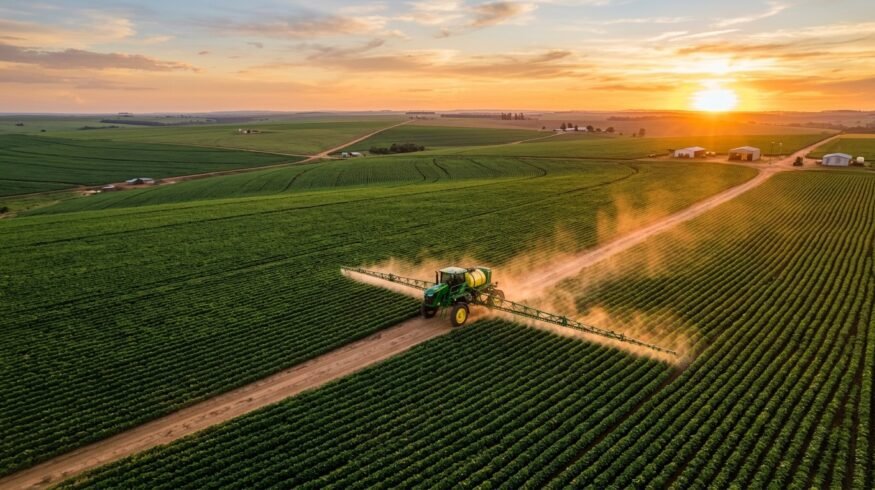

Brazil relied on imports for about 90% of the fertilizer it used in 2024, leaving its export-driven farm sector exposed to disruptions in a concentrated global market, according to an opinion article by Lorenzo Rosa in Fortune.
Rosa, director of the Rosa Lab at Carnegie Institution for Science and an affiliate of Stanford University, says Brazil imports about 99% of its nitrogen fertilizer and 98% of its potash. He argues that supply or price shocks could raise farm costs and affect countries that buy Brazilian soybeans, corn, and meat.
Brazil uses more than a tenth of the world’s fertilizer and imports nearly a fifth of fertilizer traded internationally, Rosa wrote. Brazil fertilizer imports fell 30% in September as buyers paid the highest prices since 2022. He points to concentrated potash production and nitrogen’s dependence on natural gas as channels through which trade, shipping, or energy disruptions could reach farms.
Rosa outlines two ways to build resilience: large mines and industrial plants using domestic resources, and smaller modular nitrogen units powered by renewable energy or agricultural waste. Brazil’s National Fertilizer Plan sets a broader goal of reducing fertilizer import dependence to about 45% by 2050.
Rosa’s research was funded in part by Brazil Potash, which is developing a potash deposit in Amazonas discussed in the article.
Source: Fortune
Questions and answers
The plan targets domestic potash fertilizer production of 6.3 million metric tons by 2030 and 14.6 million metric tons a year by 2050, measured as potassium oxide (K₂O). Its broader objective is to reduce the share of fertilizer use met by imports to about 45% by 2050.
Rosa cites 2024 estimates that put nitrogen import dependence at about 99%, phosphate at about 70%, and potash at about 98%. He says the figures reflect different domestic production bases across the three nutrients.
Rosa writes that Petrobras has signaled plans to restart two idled ammonia and urea plants and build two new ones. The article does not give a construction schedule or production capacity for those projects.
Rosa describes modular nitrogen units powered by renewable energy or agricultural waste and located closer to farms. He argues that a network of smaller sites could be built incrementally and reduce the distance fertilizer travels from port or plant to field.
Rosa says Brazil’s agricultural exports reach a large international market, including buyers of soybeans, corn, and meat. If farmers cannot obtain or afford fertilizer, he argues, lower application could reduce yields and affect the supply available to those buyers.

Enjoyed this story?
Every Monday, our subscribers get their hands on a digest of the most trending agriculture news. You can join them too!





Discussion0 comments