

Critical sulfur supply warning: 12 retired officials urge Trump to act

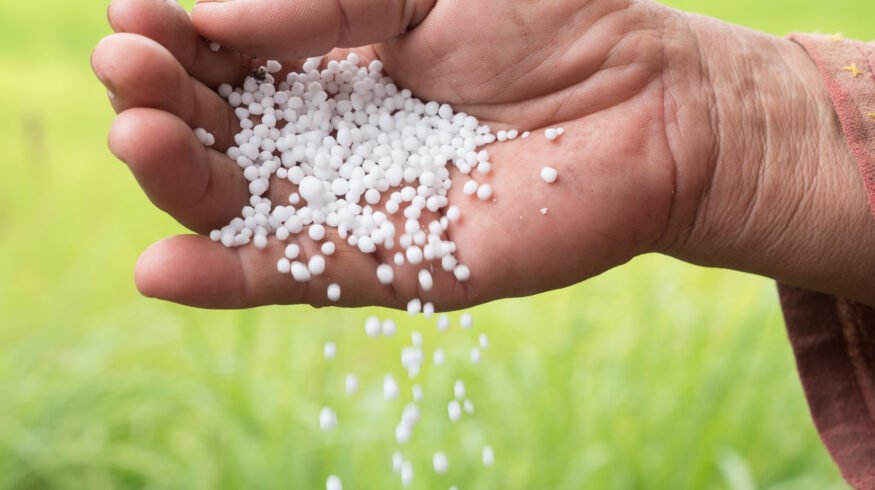

Twelve retired U.S. military and national security officials urged President Donald Trump in a Nov. 18 letter to protect the domestic sulfur supply with a supply-chain strategy, arguing that exports of the fertilizer input leave U.S. phosphate producers exposed to trade risks. The officials also asked the administration to treat fertilizer inputs as national security assets.
The signatories said the United States produces about two-thirds of its sulfur and sulfuric acid requirements but exports nearly 2 million metric tons of elemental sulfur annually, roughly a quarter of domestic output. They allege Chinese state-backed buyers purchase much of it, process it into phosphate fertilizer, and restrict exports of finished products. The appeal comes as a sulfur shortage keeps phosphorus supply tight and Mosaic’s third-quarter loss on sulfur costs shows the pressure on U.S. producers.
The officials want refiners to prioritize domestic fertilizer makers and recommend restricting exports to buyers that do not freely trade finished fertilizer in return. They also call for faster domestic manufacturing expansion and say the administration should consider using the Defense Production Act. These are proposals in the letter, not announced government measures; no implementation timeline was disclosed.
Source: Agri-Pulse
Questions and answers
Twelve retired military officials and national security experts signed it. Retired U.S. Army Maj. Gen. James “Spider” Marks led the effort, according to Agri-Pulse.
Sulfur is used to process phosphate, which supplies phosphorus, one of the three main crop nutrients. The officials argue that constrained sulfur access could affect fertilizer production and food supply security.
The letter says U.S. producers meet about two-thirds of domestic sulfur and sulfuric acid requirements. It says the country exports nearly 2 million metric tons of elemental sulfur annually, about one-quarter of domestic output; these are figures cited by the signatories.
They call for a fertilizer supply-chain security strategy, incentives for refiners to supply U.S. fertilizer makers, and limits on exports to buyers that do not freely trade finished fertilizer in return. They also want domestic manufacturing expanded and fertilizer inputs treated as national security assets.
No action was reported. The officials urged the administration to consider the act as one possible tool; the letter did not announce a decision, funding, or implementation schedule.

Enjoyed this story?
Every Monday, our subscribers get their hands on a digest of the most trending agriculture news. You can join them too!





Discussion0 comments