

China ammonium chloride prices jump 85% as soda ash cuts curb supply

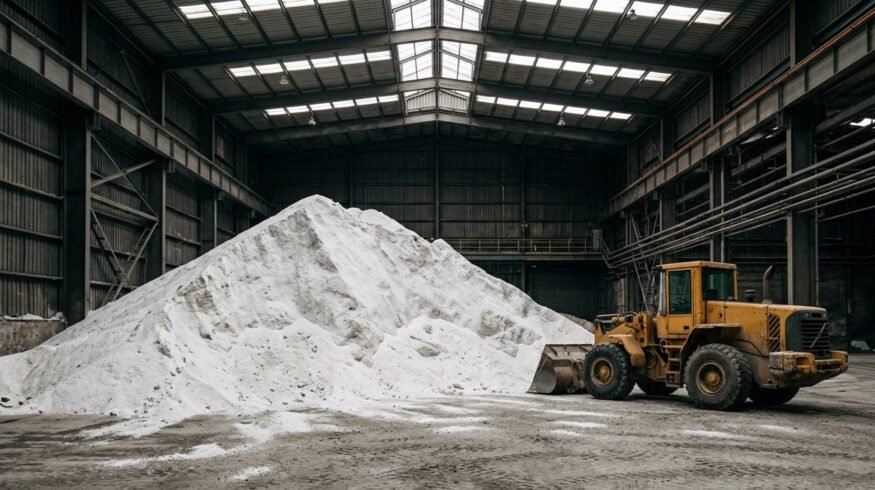

Chinese ammonium chloride prices have repeatedly hit new highs for the year this month, even as urea, phosphate and potash prices stay weak, SunSirs reports, citing China Chemical Industry News.
As of November 18, mainstream transaction prices ranged from RMB 670 to RMB 730 (USD 100 to USD 109) a metric ton, up more than 22% since the start of the month and more than 85% from a year earlier. Some delivered prices for new orders topped RMB 800 (USD 120).
Ammonium chloride is a by-product of soda ash made with the Hou process. Loss-making soda ash producers have idled 4.9 million metric tons a year of capacity, and output in the first 10 months fell 6.34% to about 14.04 million metric tons. Plant inventories at the end of October were 33% below a year earlier.
Exports reached 1.78 million metric tons in the first nine months, up 17%, mostly to Malaysia, Vietnam and Indonesia. Analysts expect firm prices in the short term but limited further upside, given the weak wider fertilizer market.
Foreign buyers have turned to ammonium chloride while China’s urea export quota limits shipments of the country’s main nitrogen fertilizer.
Source: SunSirs (China Chemical Industry News)
Questions and answers
Mainstream prices reached RMB 670 to RMB 730 (USD 100 to USD 109) a metric ton by November 18, up more than 22% from the start of the month and more than 85% from a year earlier.
Ammonium chloride is co-produced with soda ash. Soda ash prices have been under pressure, partly from new natural soda ash capacity in Inner Mongolia, so combined soda plants have cut or halted output, idling 4.9 million metric tons a year of capacity.
Nearly 90% go to Southeast Asia, mainly Malaysia, Vietnam and Indonesia. Exports in the first nine months of 2026 rose 17% to 1.78 million metric tons, as buyers sought a cheaper nitrogen source while China restricts urea exports.
About 86% goes into compound fertilizers. That sector was running at only 24.29% of capacity in the off-season, and winter stockpiling is expected to lift demand from December.
Analysts quoted in the report expect firm prices in the short term, but say weak urea, phosphate, potash and compound fertilizer markets and slow winter buying limit the room for a sharp further rally.

Enjoyed this story?
Every Monday, our subscribers get their hands on a digest of the most trending agriculture news. You can join them too!








Discussion0 comments