Skip to content
  • Professionals
  • Gardeners
 
Search
Log in
EN
RU
  • Markets
  • Business
  • Politics
  • Technologies
  • Interviews
  • Rankings
  • Sustainability
  • Events
  • Stock Quotes
  • Business Directory
Trending topic:

fertilizer prices

Featured company:
 
RU
  • Professionals
  • Gardeners
Sections
    Events
    Stock Quotes
    Business Directory
    Trending topic:

    fertilizer prices

    Featured company:
    Follow us...
    Helpful information
    • About
    • Team
    • Advertise
    • Contacts
    • Submit a Tip
    • Privacy Policy
    • Terms of Service
    • Site Map
    Sections
      Seasonal tips
      • Spring
      • Summer
      • Autumn
      • Winter
      Trending topics
      • compost
        24
      • garlic
        2
      • lemon
        1
      • potato
        14
      Follow us...
      Helpful information
      • About
      • Team
      • Advertise
      • Contacts
      • Submit a Tip
      • Privacy Policy
      • Terms of Service
      • Site Map
      Copyright © 2014-2026 DigitalTree LLC. All rights reserved.
      We deliver content lightning-fast thanks to the managed cloud WordPress hosting with CDN.
      16+

      Home / Technologies

      How modern agricultural laboratories are reshaping precision farming decisions

      Editors avatar Editors
      March 30, 2026, 2:00 pm
      March 30, 2026, 2:00 pm
      [esi post-views ttl=0]
      Technologies
      How modern agricultural laboratories are reshaping precision farming decisions

      Save for later
      Share

      Modern agricultural laboratories have evolved far beyond simple field tests using indicator paper. Today, they operate as high-tech analytical centers that integrate advanced physical instrumentation with classical chemistry techniques. This transformation is central to precision agriculture, where the reliability of soil, water, and plant analysis directly influences both economic outcomes and environmental sustainability. The quality of laboratory equipment plays a decisive role in ensuring that agronomic decisions—from fertilizer application to irrigation management—are grounded in accurate and reproducible data.

      High-precision elemental analysis with ICP-AES
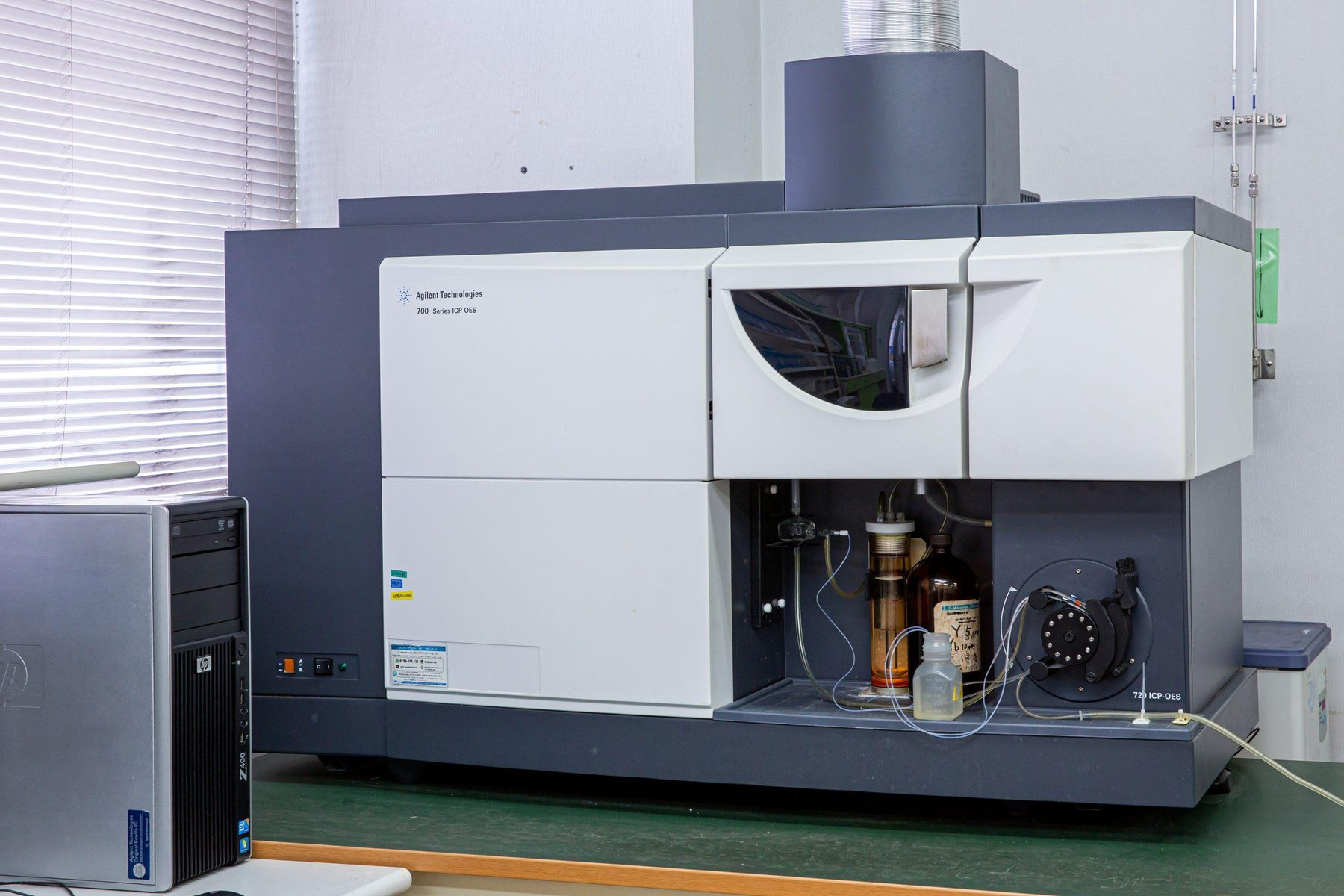
      One of the most important instruments in a modern agricultural laboratory is the Inductively Coupled Plasma Atomic Emission Spectrometer (ICP-AES). This technology enables simultaneous detection of multiple elements across a wide range of sample types, including soil, water, plant tissues, and animal feed.

      Operating at temperatures approaching 10,000°C, the plasma excites atoms, causing them to emit light at element-specific wavelengths. By measuring the intensity of this emission, laboratories can determine concentrations with high precision.

      ADVERTISEMENT

      For agricultural professionals, this translates into the ability to quantify both macro- and micronutrients, detect hidden deficiencies before they impact yields, and monitor potentially harmful heavy metal accumulation. The output—typically expressed in mg/kg—provides a robust basis for calculating fertilizer application rates tailored to specific field conditions.

      Spectrophotometry remains a regulatory and analytical cornerstone
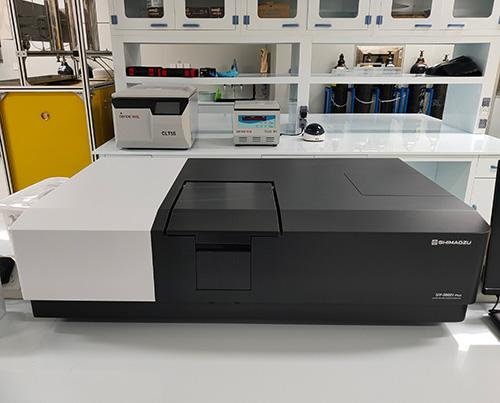
      Despite advances in multi-element instrumentation, spectrophotometry continues to play a central role in agricultural analysis. Many standardized testing protocols required by regulatory frameworks rely on this method, making it indispensable for compliance and reporting.

      Spectrophotometers are commonly used to determine mobile phosphorus and sulfur fractions, ammonium nitrogen levels, and soil organic matter content. Beyond compliance, these classical methods serve as an important validation tool, allowing laboratories to cross-check results obtained through more complex instrumentation.

      This dual approach—combining modern and classical techniques—enhances confidence in analytical results and ensures consistency across different testing methodologies.

      Automated titration improves consistency and reproducibility
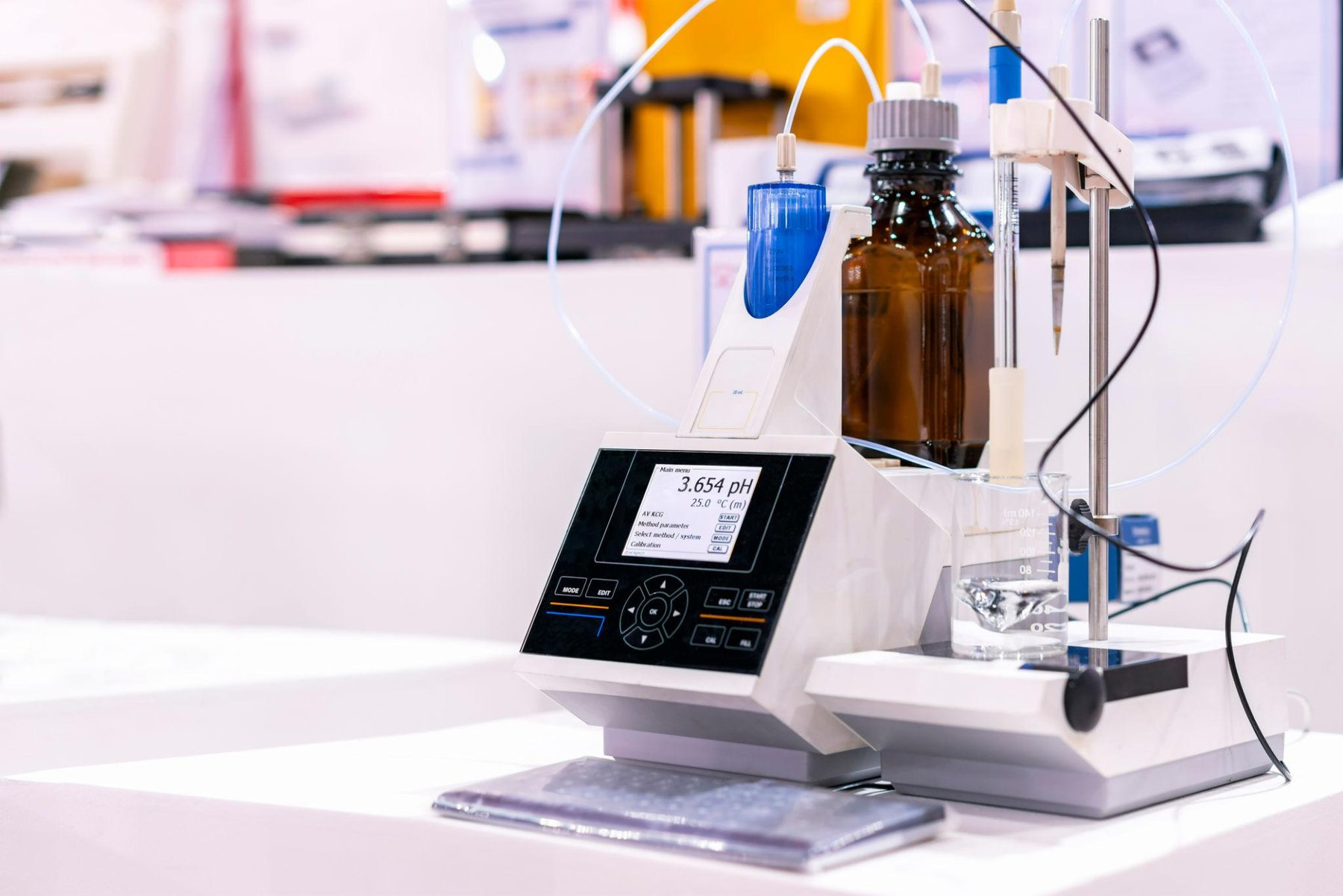
      Automation has significantly improved the reliability of titration-based measurements. Modern titrators remove subjective interpretation from the process, delivering consistent and repeatable results across multiple analyses.

      These systems are widely used to assess water hardness, alkalinity, chloride levels, and concentrations of calcium and magnesium, as well as the acidity of soil extracts. Such parameters are critical for evaluating irrigation suitability and soil chemical balance.

      Consistency in these measurements is particularly important for long-term monitoring programs, where year-to-year comparability is essential for tracking changes in soil health and water quality.

      Kjeldahl method remains the standard for nitrogen determination
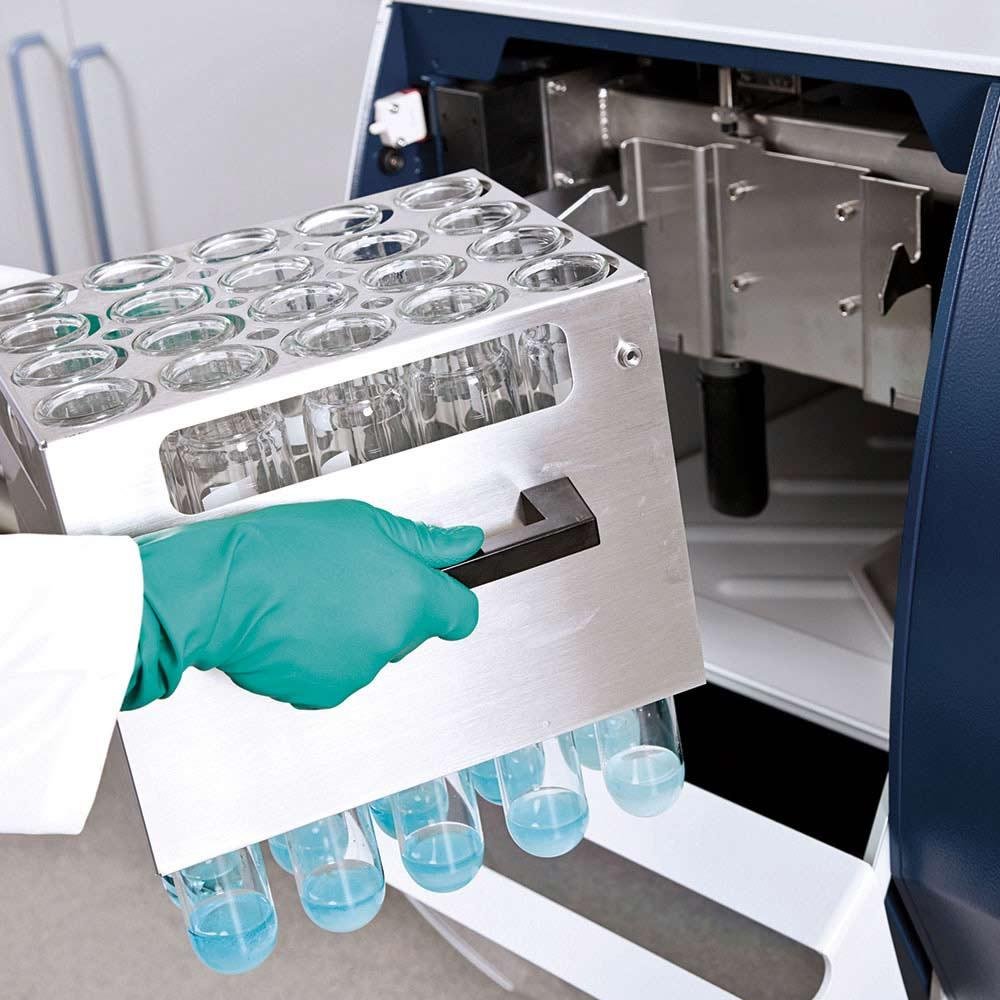
      The Kjeldahl method continues to be the reference technique for determining total nitrogen content in agricultural samples. Despite being developed more than a century ago, it remains widely used due to its accuracy and reliability.

      The method involves digesting the sample to convert nitrogen into ammonium, followed by distillation and quantitative measurement. This process provides essential data for calculating nitrogen balances, assessing feed quality, and optimizing fertilization strategies.

      Accurate nitrogen measurement is fundamental to crop management, as nitrogen availability directly affects plant growth, yield potential, and environmental impact.

      Comprehensive laboratory services beyond instrumentation

      While advanced equipment is critical, the value of an agricultural laboratory also depends on the breadth of analytical services it provides. Comprehensive testing typically includes soil parameters such as pH, organic matter, nitrogen, phosphorus, potassium, trace elements, and heavy metals.

      Water analysis focuses on acidity, salinity, alkalinity, and nutrient content, which are essential for irrigation management. Plant tissue and feed analysis further support nutrient optimization by providing insight into actual uptake and nutritional status.

      The integration of these datasets enables a holistic approach to farm management, linking soil conditions, water quality, and crop performance.

      Conclusion: from estimation to data-driven agriculture

      The adoption of modern laboratory technologies is shifting agriculture toward a data-driven model, where decisions are based on measurable parameters rather than assumptions. This transition allows producers to optimize input use, reduce unnecessary costs, and improve yield predictability.

      In this context, selecting a laboratory should involve careful consideration of both analytical capabilities and technological sophistication. The precision of laboratory data ultimately underpins every agronomic decision, making it a critical component of sustainable and profitable farming systems.

      agri-equipment
      analyzer
      crop analysis
      equipment
      laboratory
      soil analysis
      spectral analysis

      Enjoyed this story?

      Every Monday, our subscribers get their hands on a digest of the most trending agriculture news. You can join them too!


      Sign me up
      Check the example

      Discussion0 comments

      Спасибо за комментарий, он будет опубликован на сайте после проверки модератором. Хотите, чтобы ваши комментарии появлялись на сайте мгновенно? Достаточно пройти регистрацию.
      Congratulations, you can be the first to start the conversation.
      Do you have a question or suggestion? Please leave your comment to ignite conversation.
      What’s on your mind?
      Cancel Log in and comment
      Or continue without registration
      Get notified about new comments by email.
      Advertisement
      In focus
      How to get here?
      Stock quotes
      Bayer
      11.11
      1.51
      Bayer Crop Science
      38.51
      1.03
      CF Industries
      121.7
      0.01
      Corteva Agriscience
      79.56
      0.66
      ICL Group
      6.46
      0.15
      Intrepid Potash
      39.51
      2.06
      Mosaic
      22.51
      2.6
      Nutrien
      70.13
      0.16
      Yara International
      28.35
      1.6
      See all
      Most read
      IPL finalizes 1.346mt DAP purchase from 14 global suppliers at $930–935/t CFR
      IPL finalizes 1.346mt DAP purchase from 14 global suppliers at $930–935/t CFR
      California peach growers forced to remove 420,000 trees after bankruptcy of Del Monte Foods canneries
      California peach growers forced to remove 420,000 trees after bankruptcy of Del Monte Foods canneries
      Yara CEO: fertilizer shortage is costing 10 billion meals per week globally
      Yara CEO: fertilizer shortage is costing 10 billion meals per week globally
      Syngenta revives Hong Kong IPO discussions aiming at H2 2026 after double-digit growth in biologicals
      Syngenta revives Hong Kong IPO discussions aiming at H2 2026 after double-digit growth in biologicals
      Strait of Hormuz blockade disrupts global fertilizer trade, raising food supply concerns
      Strait of Hormuz blockade disrupts global fertilizer trade, raising food supply concerns
      Events
      Fertilizer Summit
      Chicago (IL), USA
      Jun 1 — 2, 2026
      Argus Clean Ammonia Asia
      Tokyo, Japan
      Jun 2 — 4, 2026
      Wood Mackenzie Hydrogen Hydrogen Conference
      London, UK
      Jun 4, 2026
      Agriculture & Organic Farming Summit
      Paris, France
      Jun 17 — 18, 2026
      International Crop-Science Conference & Expo
      New Delhi, India
      Jun 25 — 26, 2026
      See all
      Live
      Stefan Petko
      May 6, 06:48 pm
      It is alarming to see these developments in California. As a vineyard grower, I have faced significant challenges this year, with fertilizer costs rising sharply while market conditions have made it difficult to sell the harvest.
      California peach growers forced to remove 420,000 trees after bankruptcy of Del Monte Foods canneries
      Estebel
      April 23, 10:26 pm
      Sounds like magic ))
      MIT study: rice seeds germinate faster when exposed to rainfall sounds
      Isabelita Barreiro
      December 11, 2025, 01:54 am
      Excellent management of water resources and effective use of water-soluble fertilizers!
      Argentine nano-fertilizer firm AKO Agro expands to Brazil
      Meripa Corson
      August 4, 2025, 01:18 pm
      Where does the money actually go? As a timber land owner, how do I benefit from the legislation?
      USDA commits $80 million to expand timber markets and improve forest resilience
      Patonkas Luksompulus
      January 21, 2025, 12:36 pm
      Greece meeds biological fertilizers! Great news about De sangosse.
      DE SANGOSSE expands operations with Greek subsidiary
      About
      Sections
      Markets  ·  Business  ·  Politics  ·  Technologies  ·  Interviews  ·  Rankings  ·  Sustainability
      Support
      About  ·  Team  ·  Advertise  ·  Contacts  ·  Submit a Tip  ·  Privacy Policy  ·  Terms of Service  ·  Site Map
      Copyright © 2014-2026 DigitalTree LLC. All rights reserved.
      We deliver content lightning-fast thanks to the managed cloud WordPress hosting with CDN.
      16+
      More to read
      Sentinel Ag and Nave Analytics to integrate irrigation and nitrogen intelligence
      Sentinel Ag and Nave Analytics to integrate irrigation and nitrogen intelligence
      Harnessing technology in farming: Single Board Computers in precision agriculture
      Harnessing technology in farming: Single Board Computers in precision agriculture
      Phytech’s Oren Kind: ‘Our technology enabled a 20% reduction in water usage’
      Phytech’s Oren Kind: ‘Our technology enabled a 20% reduction in water usage’
      Advertising that helps us do quality reporting