

Second phosphate cargo crosses Strait of Hormuz since Iran war began — MAP vessel transits May 9–10

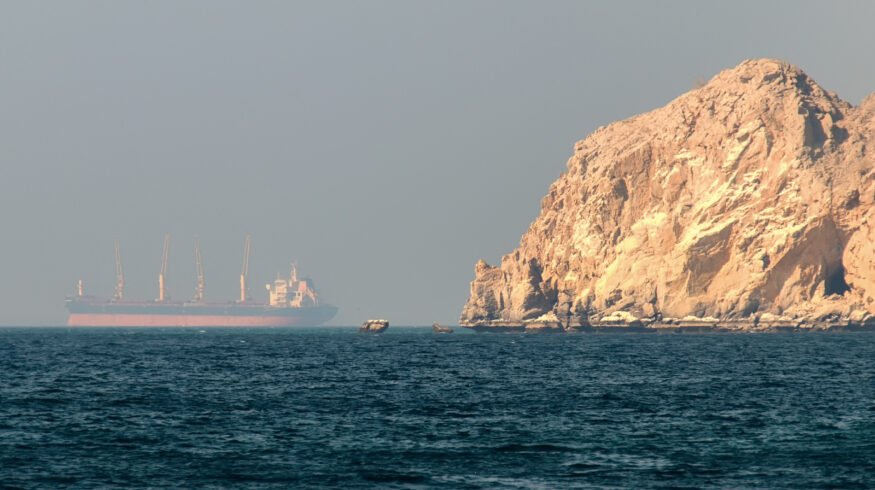

A second phosphate cargo has successfully crossed the Strait of Hormuz since the outbreak of the Iran conflict in late February, according to Argus Media — a milestone that signals limited but incremental movement in restarting fertilizer shipments from the Gulf.
The vessel Mdl Toofan loaded approximately 55,000 tonnes of monoammonium phosphate (MAP) at the Saudi port of Ras Al-Khair in late April and transited the strait on May 9–10. The cargo is destined for Rio Grande, Brazil, with an estimated arrival date of around June 5.
The transit is only the second phosphate cargo to pass through the strait since hostilities began on February 28 of this year. The first — a sulfur cargo — was reported just one day earlier, on May 14.
Despite the small number of successful transits, the broader picture remains grim for Gulf-sourced phosphate. Argus Media’s reporting indicates that eight other phosphate vessels remain stranded in the Persian Gulf, unable to exit via the strait due to ongoing conflict risks and war-risk insurance premiums that have soared since February, making many voyages commercially unviable regardless of ceasefire status.
Saudi Arabia’s Ras Al-Khair is home to the world’s largest phosphate export facility, operated by Ma’aden, and serves as a critical origin point for fertilizer exports to South and Southeast Asia, Brazil, and sub-Saharan Africa. The interruption of exports from this facility has contributed directly to the global DAP and MAP price spike seen in the first half of 2026.
Any sustained resumption of phosphate exports through Hormuz would represent a significant bearish development for fertilizer prices globally. For now, however, single-vessel transits remain the exception rather than the rule.
Source: Argus Media

Enjoyed this story?
Every Monday, our subscribers get their hands on a digest of the most trending agriculture news. You can join them too!







Discussion0 comments