

Indonesia tightens feed ingredient import rules, raising concerns for U.S. exporters


Indonesia has introduced a new import licensing framework for 57 plant-based feed ingredients, including soybean meal and feed wheat, in a move that could complicate imports and threaten U.S. agricultural exports, according to a report from the U.S. Department of Agriculture.
The regulation, issued by Indonesia’s Ministry of Agriculture as Regulation 11/2026 and effective May 8, establishes two separate approval pathways for feed ingredient imports. Fifty-five products, including barley, distillers dried grains with solubles (DDGS), corn gluten meal and soybean hulls, now require direct import permits from the agriculture ministry. Soybean meal and feed wheat, however, must obtain a technical recommendation letter from the ministry before import approval can be issued by the Ministry of Trade.
The USDA said the policy change gives Indonesian authorities broader control over import volumes, timelines and distribution channels. The report noted that soybean meal and feed wheat imports are now subject to inter-ministerial coordination meetings that determine allowable volumes and designated importers.
Indonesia’s soybean meal demand is estimated at 6 million metric tons annually, according to the report. Of the 5 million metric tons required by feed mills, authorities have designated 3 million metric tons to be imported by state-owned enterprise Berdikari, while the remaining 2 million metric tons had already entered the country before the policy took effect. Another 1 million metric tons used by smaller feed self-mixers can still be imported by traders under strict conditions preventing resale to feed mills.
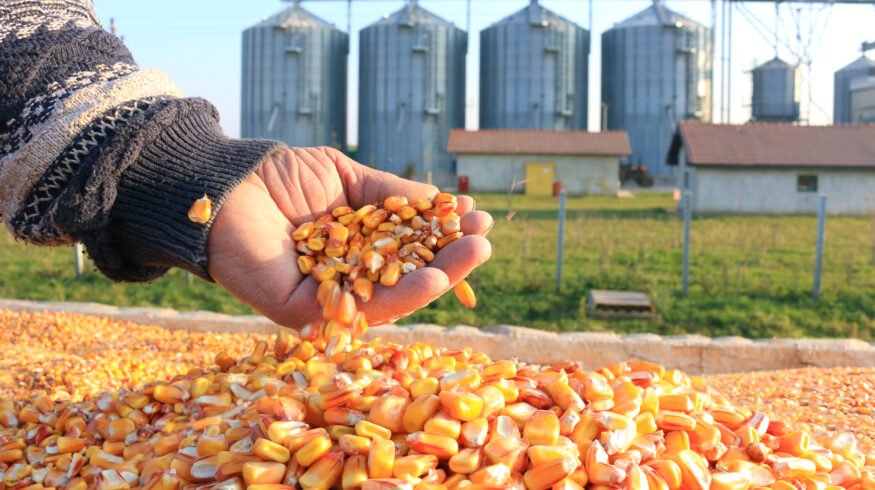
The new regulation also effectively bans imports of corn and broken rice for feed purposes by excluding them from the approved commodity list.
Importers face tighter compliance obligations under the revised system. Standard import permits will only remain valid for three months after issuance, requiring shipments to arrive within that period and prohibiting transfers to third parties. By contrast, recommendation letters for soybean meal and feed wheat remain valid for one calendar year and allow multiple shipments and amendments during the approval period.
The USDA also noted that neither the agriculture ministry regulation nor the corresponding Ministry of Trade regulation has been notified to the World Trade Organization.
Sources: USDA Foreign Agricultural Service

Enjoyed this story?
Every Monday, our subscribers get their hands on a digest of the most trending agriculture news. You can join them too!







Discussion0 comments