

Inner stem cell divisions control plant thickness, offering new opportunities for crop breeding

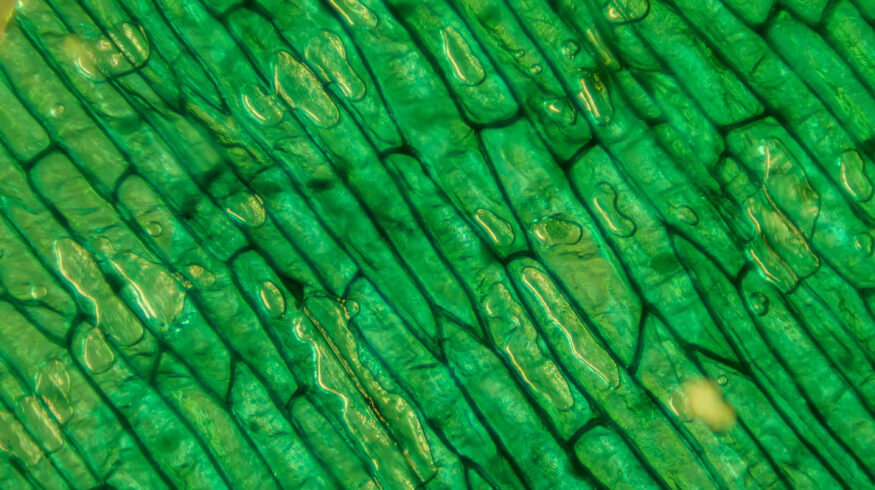

Scientists at the John Innes Center discovered that the orientation of cell division in inner stem tissues plays the dominant role in determining stem thickness. Published in Current Biology, these findings overturn a long-standing assumption in plant biology and may offer plant breeders a new strategy for developing crops with stronger stems and improved architecture.
Imaging techniques revealed that cells in the inner cortex and pith contribute most to radial stem growth. Changing the orientation of cell division in these tissues significantly affected stem thickness, even when outer layer growth remained unchanged. These results indicate that inner tissues establish the structural framework guiding stem development as plants mature.
This discovery has practical implications for agriculture. Breeding or gene-editing programs targeting genes that control cell division in inner stem tissues may help produce cereal crops with thicker, more lodging-resistant stalks and improve stem uniformity in horticultural crops to support mechanical harvesting and reduce post-harvest losses. The researchers will next identify the genes regulating cell division orientation in these tissues before applying the findings to commercial breeding programs.
Source: Phys.org
Q&A: The plant stem thickness study
They found that the orientation of cell division deep inside plant stems, in the inner cortex and pith, is the dominant factor controlling how thick a stem grows, rather than growth at the outer surface layers as previously assumed.
Plant biologists had generally assumed outer stem tissues, under the greatest mechanical tension as a stem expands, played the largest role in determining girth. The new study shows inner tissues set a structural template that outer layers largely follow.
Potential applications include cereals such as wheat and rice, where stem strength affects lodging resistance, and crops like tomato, cucumber and squash, where uniform stem diameter matters for mechanical harvesting.
The team used tools that track the orientation of individual cell divisions in living stem tissue, allowing them to alter division patterns in specific inner layers and measure the resulting effect on overall stem thickness.
The team plans to identify the specific genes that regulate division orientation in inner stem tissues. No timeline for applied breeding use has been disclosed, and field trials in crops will be needed before any commercial application.

Enjoyed this story?
Every Monday, our subscribers get their hands on a digest of the most trending agriculture news. You can join them too!





Discussion0 comments