

Biochar and bacteria raise plant-accessible potassium in acidic soil

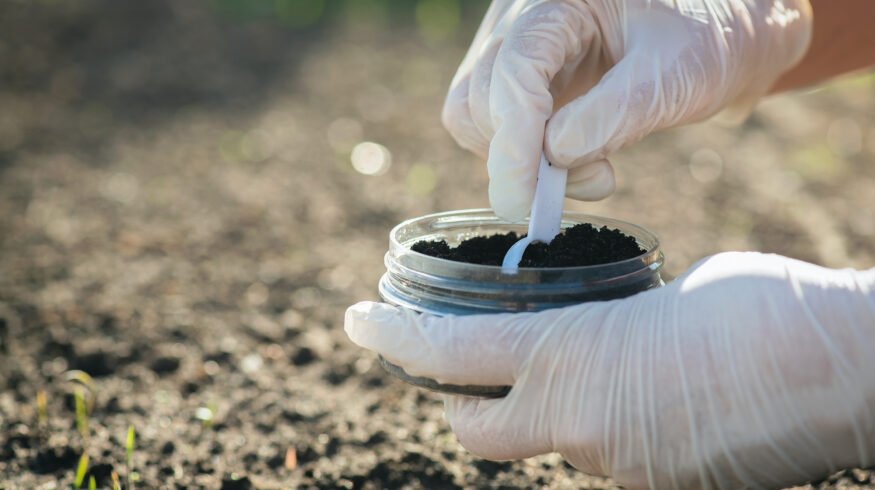

A laboratory study found that combining rice-straw biochar with potassium-solubilizing bacteria increased water-soluble potassium in acidic topsoil by 52.5% and available potassium by 49.8%.
The integrated treatment also raised soil pH, increased organic matter, and reduced potassium movement into the subsoil. These results suggest that biological products and carbon-based amendments may help retain nutrients in the crop root zone. However, the findings are based on an incubation experiment, and the paper is still a preprint under public discussion and peer review.
Researchers led by Saba Babar published these findings on EGUsphere, the preprint platform for SOIL, an open-access journal of the European Geosciences Union. The manuscript was received on June 1 and entered public discussion on July 17.
Combined treatment outperforms potassium fertilizer alone
The researchers placed 850 grams of acidic soil into columns with a 0–15 centimeter topsoil layer and a 15–30 centimeter subsoil layer. Potassium fertilizer was applied only to the top layer to measure retention near the surface and movement downward under irrigation.
Five treatments were tested in four replicates: an untreated control, potassium fertilizer alone, potassium with 1% biochar by soil weight, potassium with a bacterial inoculum, and potassium with both biochar and bacteria.
Compared to potassium fertilizer alone, the combined treatment increased topsoil pH by 13.5% and soil organic matter by 53.9%. Water-soluble potassium rose by 52.5%, and available potassium increased by 49.8%.
The paper does not suggest that growers can reduce potash application by the same percentage. Instead, the results show that the combined treatment altered potassium release and retention in the experimental soil.
Biochar retains potassium as bacteria release it
Potassium in soil occurs in several pools. Some is dissolved in soil water or held on exchange sites where plant roots can access it, while a much larger share may be trapped within minerals or fixed in forms that are not immediately available to crops.
Potassium-solubilizing bacteria release organic acids and other compounds that mobilize potassium from minerals. The study suggests that biochar supports this process by retaining some of the newly solubilized nutrient.
Biochar’s porous structure, surface area, and cation-exchange capacity provide adsorption sites for potassium ions. In the experiment, these properties limited downward movement as bacteria increased potassium solubility.
This interaction is especially important in acidic soils, which may have limited potassium adsorption capacity. As a result, dissolved potassium can move below the main root zone during irrigation.
Soil biological activity also improves
The combined treatment increased soil enzyme activity and changed the bacterial community in the topsoil. The researchers observed increases in groups such as Actinomycetota and Bacteroidota, which they associated with improved nutrient cycling and soil biological activity.
These changes indicate that the treatment’s effects extended beyond potassium concentration. Higher soil pH and organic matter may have improved conditions for microbial activity, and the biochar may have provided habitat for the bacterial inoculum.
The researchers concluded that the integrated treatment improved potassium bioavailability by supporting bacterial solubilization and increasing the soil’s capacity to retain the released nutrient.
Potential implications for potash efficiency
Potassium is one of agriculture’s three main fertilizer nutrients, along with nitrogen and phosphorus. Improving potassium retention could benefit regions reliant on imported potash and irrigated systems where nutrient loss below the root zone reduces efficiency.
The findings suggest a complementary nutrient-management strategy rather than a direct replacement for mineral potash. Biochar only supplies potassium if the feedstock contains it, while potassium-solubilizing bacteria mainly mobilize existing reserves in soil or mineral amendments.
A commercially viable program would need to consider soil potassium reserves, crop removal rates, biochar composition, inoculant performance, and fertilizer application rates. The economic case depends on whether improved nutrient retention offsets the costs of producing, transporting, and applying biochar and microbial products.
Field validation remains the key hurdle
The controlled study design allowed researchers to track potassium at different soil depths, but did not include crops, root uptake, or variable weather conditions. Each column contained less than one kilogram of soil, and the 1% biochar rate by weight could require substantial field application depending on incorporation depth and soil bulk density.
Microbial inoculants may perform differently across soil types, climates, and crop systems. Competition with native microorganisms, moisture changes, and storage or application conditions can affect whether introduced bacteria establish and remain active.
Multi-season field trials are needed to determine if increased potassium availability leads to greater crop uptake, higher yields, or reduced potash requirements. Researchers must also establish practical application rates and compare costs with conventional fertilizer programs.
Until further research is completed, these findings demonstrate a potentially beneficial interaction between biochar and potassium-solubilizing bacteria, but do not yet support a recommendation for commercial potassium management.
Source: SOIL / EGUsphere

Enjoyed this story?
Every Monday, our subscribers get their hands on a digest of the most trending agriculture news. You can join them too!






Discussion0 comments