

Hive Hydrogen’s $5.8 billion South Africa green ammonia project advances ahead of Cape Town summit

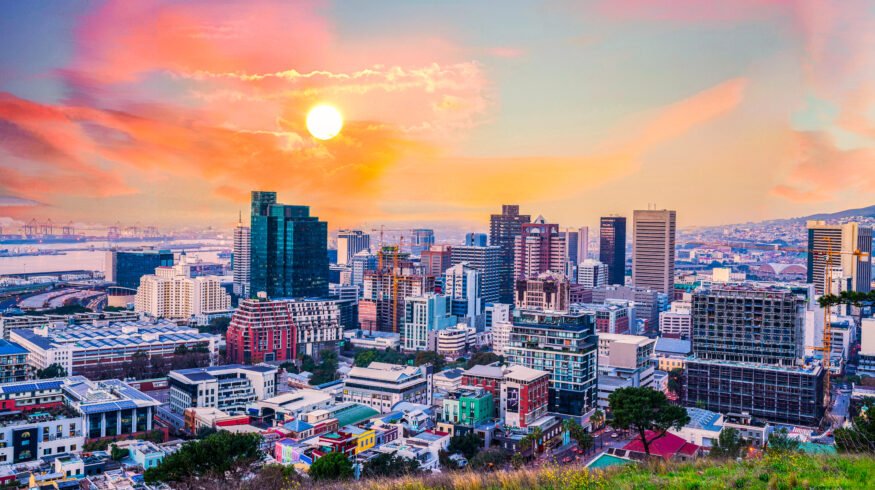

The $5.8 billion Hive Hydrogen green ammonia project in South Africa’s Nelson Mandela Bay is progressing well, with the developer expected to make significant announcements at next month’s Africa Green Hydrogen Summit in Cape Town, according to Mining Weekly. The project has already selected both its green-hydrogen-generating electrolyzer and ammonia loop solution.
Located at the Coega special economic zone near the port of Gqeberha (formerly Port Elizabeth), the project could begin construction in early 2027, with commissioning targeted for December 2029. Hive Hydrogen South Africa is chaired by former Eskom CEO Thulani Gcabashe, whose Built Africa platform focuses on renewable energy projects under South Africa’s independent power producer procurement program.
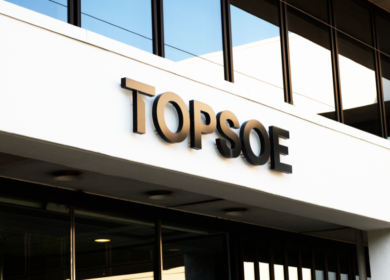
In May 2026, Hive Hydrogen selected Topsoe for a $1 billion solid oxide electrolyzer (SOEC) supply deal for the project — a significant order that helped validate SOEC technology at commercial scale. The facility would produce green ammonia for export, targeting markets in Europe and Asia where demand for low-carbon fertilizer feedstocks and shipping fuels is growing.
Source: Mining Weekly
What to know about Hive Hydrogen’s South Africa project
At the Coega special economic zone in Nelson Mandela Bay, Eastern Cape province, adjacent to the port of Gqeberha in South Africa.
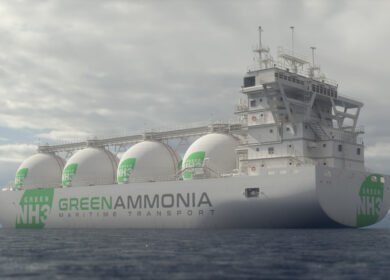
Green ammonia, manufactured using green hydrogen from water electrolysis powered by renewable energy. The ammonia is intended for export to European and Asian markets.
Construction could begin in early 2027, with commissioning targeted for December 2029. Key equipment decisions including the electrolyzer and ammonia loop have already been made.
Hive Hydrogen South Africa, chaired by former Eskom CEO Thulani Gcabashe. Topsoe is supplying the SOEC electrolyzer system under a $1 billion deal announced in May 2026.
If completed, the project would be one of the largest green ammonia facilities in Africa, providing a new source of low-carbon fertilizer feedstock and potentially reducing the continent’s dependence on imported ammonia.

Enjoyed this story?
Every Monday, our subscribers get their hands on a digest of the most trending agriculture news. You can join them too!

Discussion0 comments