

Glyphosate cuts honeybee foraging by 13% after just 3 days of exposure, new study finds

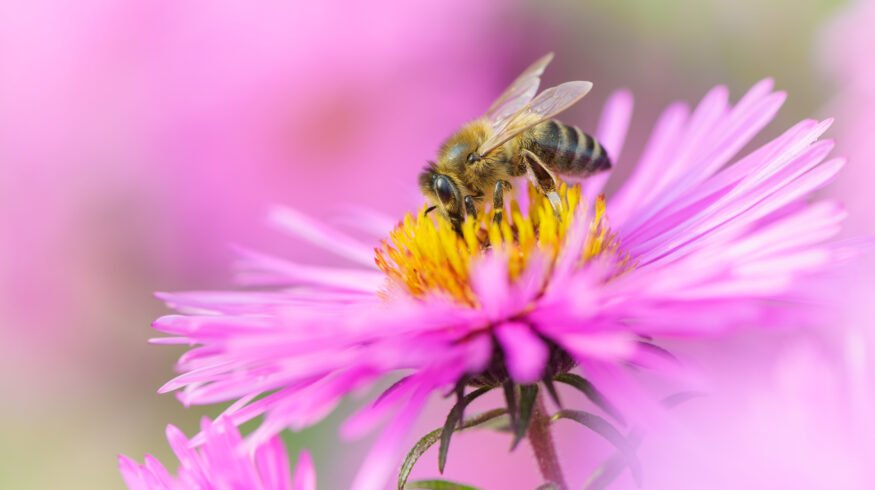

Glyphosate, the world’s most widely used herbicide, reduced honeybee foraging activity by 13% after only three days of exposure and altered brain chemicals linked to navigation and behavior, according to new research published in August 2026. The finding challenges the long-held assumption that glyphosate is safe for pollinators because bees lack the shikimate pathway enzyme the chemical targets in weeds.
The study found that exposed bees showed measurable changes in neurochemical profiles associated with learning and spatial orientation — functions critical to foraging efficiency. While glyphosate does not kill bees outright, the 13% reduction in foraging represents a meaningful decline in colony-level food collection. Honeybee pollination supports an estimated $15 billion in U.S. agricultural output annually, underpinning yields for crops from almonds to blueberries. Any persistent reduction in foraging efficiency across commercial hives could compound existing colony health pressures from varroa mites, habitat loss and neonicotinoid exposure.
The results arrive as Bayer consolidates its $2.4 billion U.S. glyphosate business into the new Ruveon unit and as regulatory scrutiny of the herbicide intensifies in the European Union. For the fertilizer and crop input industry, the research adds a new dimension to the debate over integrated nutrient and pest management — programs that balance synthetic fertilizer and herbicide efficiency with biological and environmental sustainability. Precision agriculture tools such as variable-rate spraying and drone-based application are increasingly positioned as ways to reduce total herbicide exposure while maintaining weed control.
Source: ScienceDaily

Enjoyed this story?
Every Monday, our subscribers get their hands on a digest of the most trending agriculture news. You can join them too!






Discussion0 comments