

All 8 Major U.S. Fertilizers Now Cost More Than a Year Ago



All eight major U.S. fertilizers tracked by DTN are now more expensive than they were a year ago, with anhydrous ammonia leading the increase at 25% above late-September 2025 levels.
The latest retail data for the week of September 21–25 show anhydrous averaging $977 per ton, up 6% from the previous month. Urea averaged $675 per ton, DAP $926, MAP $970, potash $498, UAN28 $423, UAN32 $479 and 10-34-0 $701.
The most important change from the previous week is that all eight products are now above year-ago levels. One week earlier, UAN32 was still below its 2025 comparison. The latest data therefore point to a broader reacceleration in fertilizer costs just as U.S. growers move into fall application planning.
All eight major fertilizers are now above 2025 levels
According to DTN Retail Fertilizer Trends, six of the eight major fertilizers were more expensive than a month earlier in the third full week of September. Two were slightly cheaper.
| Fertilizer | Average U.S. retail price | Year-over-year change |
|---|---|---|
| Anhydrous ammonia | $977/ton | +25% |
| Urea | $675/ton | +9% |
| MAP | $970/ton | +5% |
| 10-34-0 | $701/ton | +5% |
| DAP | $926/ton | +3% |
| Potash | $498/ton | +2% |
| UAN28 | $423/ton | +1% |
| UAN32 | $479/ton | +1% |
DTN classifies a monthly move of 5% or more as significant. Anhydrous was the only fertilizer in the latest report to exceed that threshold, rising 6% from the previous month.
Fertilizer Daily reported one week earlier that seven of eight major products were above year-ago levels. The latest report shows that UAN32 has now moved into positive year-over-year territory as well.
Anhydrous ammonia rebounds to $977 per ton
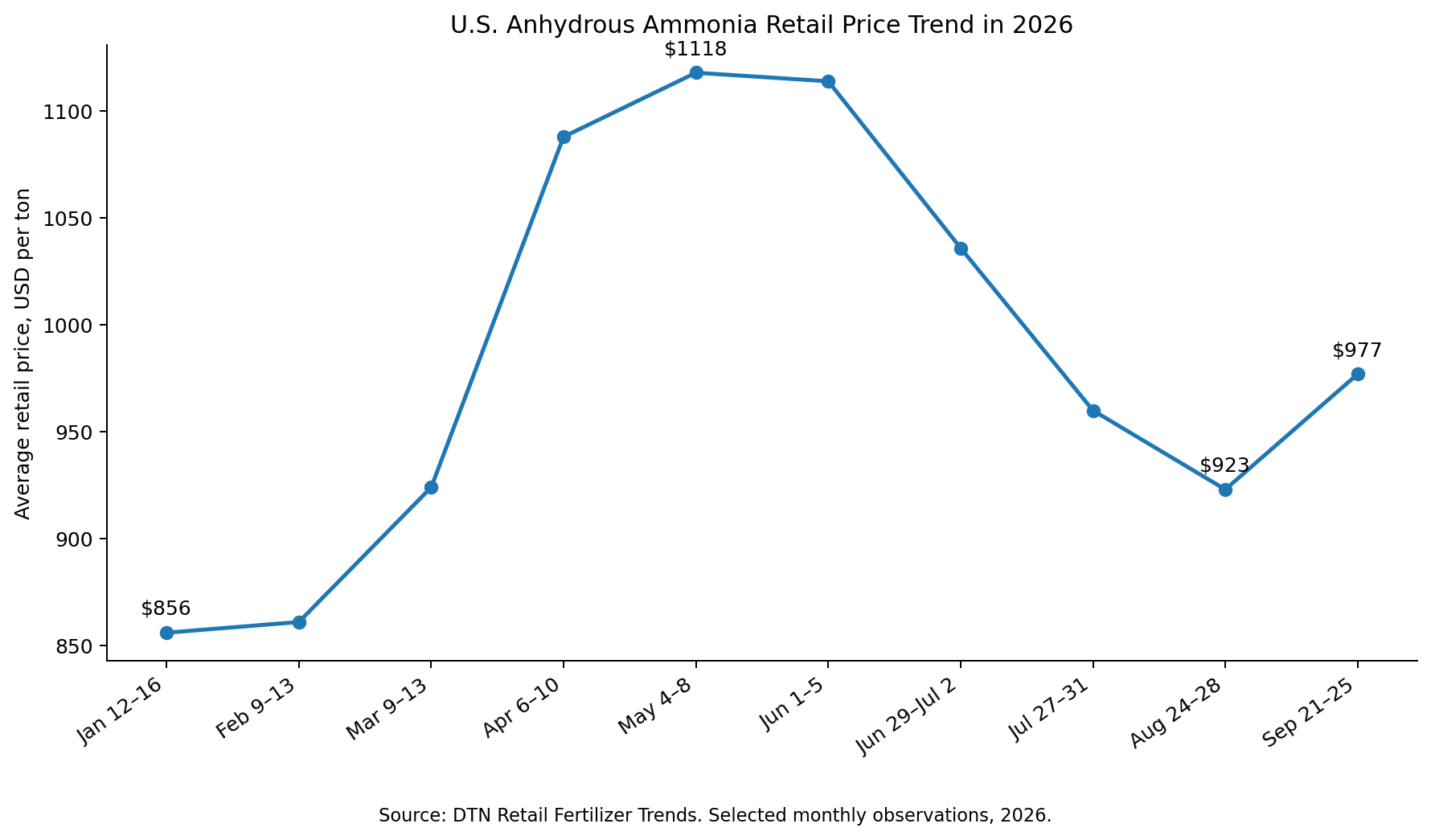
Anhydrous ammonia is the clearest signal in the latest data.
The average price rose from $923 per ton in late August to $977 per ton in late September, an increase of approximately 5.9% in one month. Compared with the same week in 2025, the price is up 25%.
The rise follows a sharp summer correction. Anhydrous averaged about $1,118 per ton in early May, then fell steadily through the summer before bottoming near $923 per ton in late August.
The latest increase therefore does not represent a return to the spring peak. At $977 per ton, anhydrous is still roughly 13% below its May high. But the reversal is significant because it suggests that part of the summer relief is already being unwound ahead of the fall application season.
Earlier September data showed U.S. retail fertilizer prices falling for a fifth consecutive week, with anhydrous at $923 per ton. The latest DTN report marks a clear break from that trend.
Urea is also moving higher
Urea averaged $675 per ton in the latest report, up from $655 in late August and approximately 9% above the same period last year.
That price remains far below the 2026 spring peak. Urea averaged about $865 per ton in early May, meaning the latest price is still roughly 22% lower than the high reached during the spring fertilizer shock.
Even so, the year-over-year comparison remains unfavorable for growers. The summer decline corrected much of the extreme spring spike, but it did not return nitrogen costs to 2025 levels.
Nitrogen remains cheapest through anhydrous on a per-pound basis
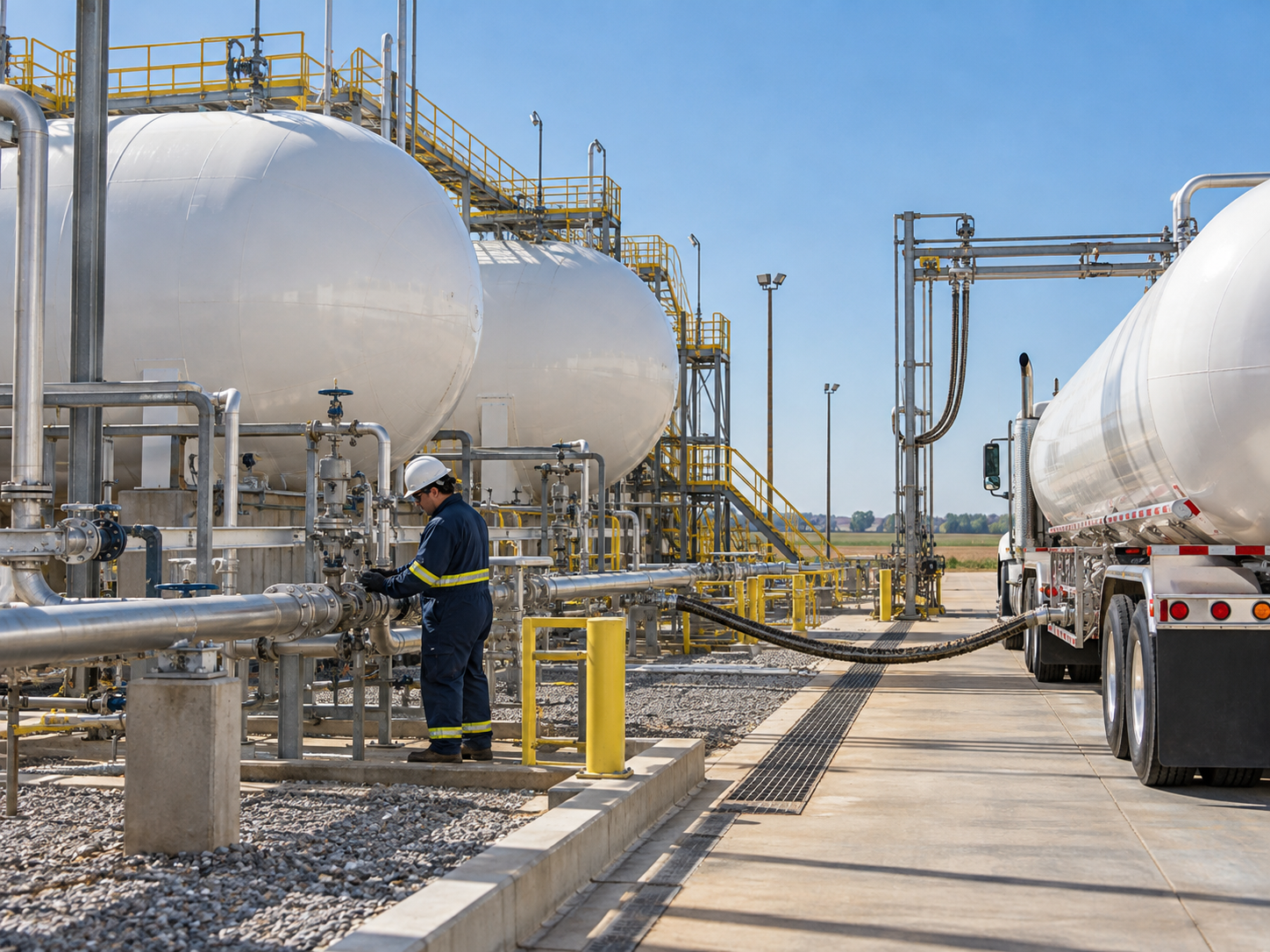
Despite its higher headline price per ton, anhydrous remains the lowest-cost nitrogen source among the four products tracked by DTN when measured per pound of actual nitrogen.
| Nitrogen fertilizer | Cost per pound of nitrogen |
|---|---|
| Anhydrous ammonia | $0.60/lb N |
| Urea | $0.73/lb N |
| UAN32 | $0.74/lb N |
| UAN28 | $0.76/lb N |
This comparison helps explain why anhydrous remains especially important in the Corn Belt. However, the agronomic decision is not based on fertilizer price alone: application timing, equipment, storage, weather and soil conditions all affect final nitrogen cost.
Phosphate prices remain elevated but relatively stable
DAP and MAP did not move as sharply as anhydrous in the latest report, but both remain expensive by historical standards.
DAP averaged $926 per ton, around 3% above last year, while MAP averaged $970 per ton, about 5% higher year on year.
The phosphate market has faced persistent cost pressure throughout 2026 from high sulfur prices, tighter supply and reduced output at some production sites.
Unlike nitrogen, where spring prices fell sharply over the summer, phosphate prices have remained comparatively sticky. MAP moved from $942 per ton in early May to $970 by late September, while DAP increased from $914 to $926 over the same broad period.
This means phosphate has offered growers less relief from the 2026 cost environment than nitrogen.
Potash remains the most stable major nutrient
Potash averaged $498 per ton, only 2% higher than a year ago.
Retail potash prices have remained in a narrow range for much of 2026, generally close to $490–500 per ton. That stability contrasts with the much larger swings seen in nitrogen.
The relatively modest increase does not remove supply-chain risk. The United States remains heavily dependent on imported potash, particularly from Canada, and logistics remain strategically important for domestic fertilizer availability.
Fall application season could keep nitrogen prices firm
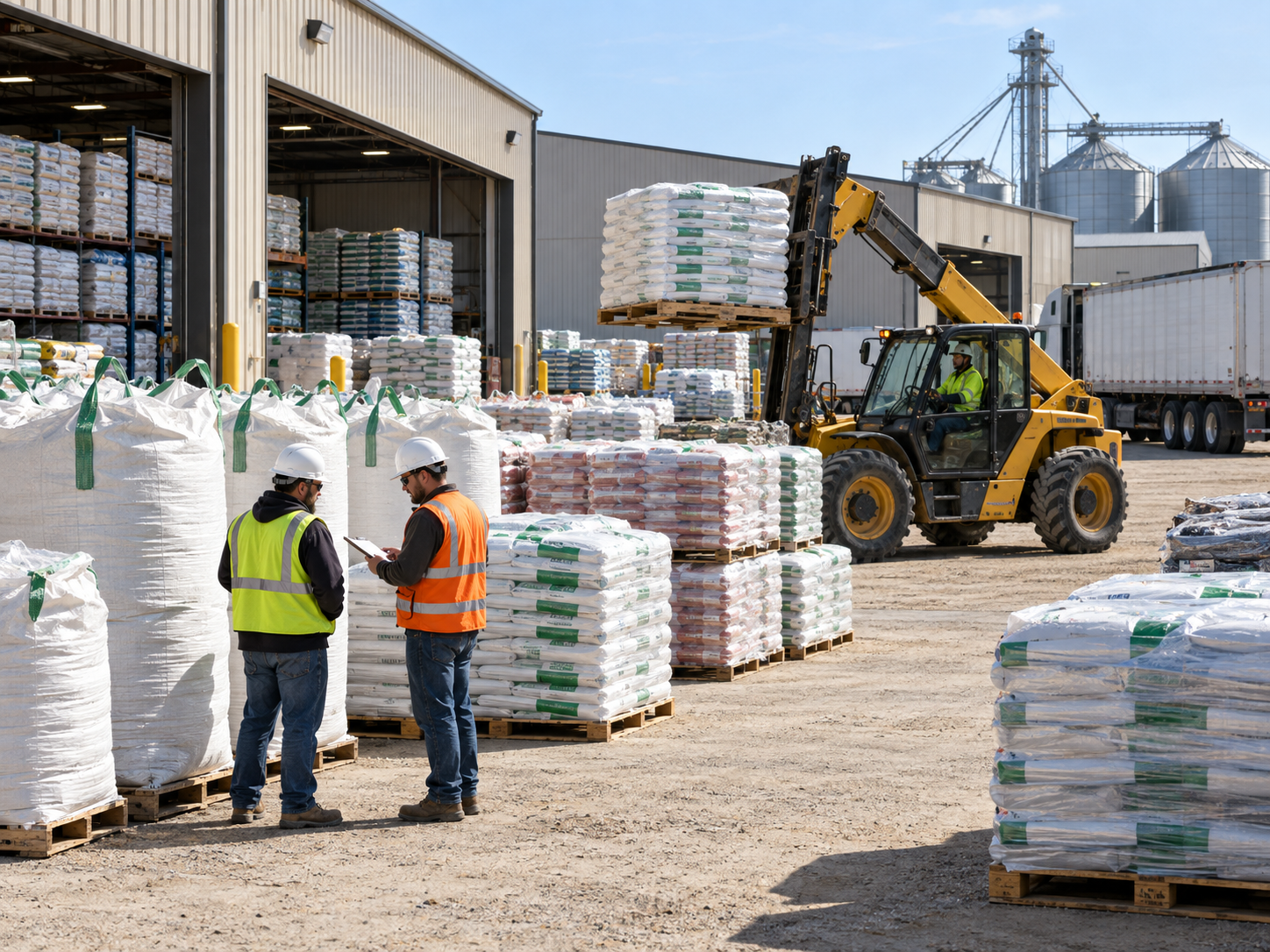
The timing of the latest increase matters because many U.S. corn-growing regions are approaching fall fertilizer application.
Anhydrous ammonia demand typically strengthens when soil temperatures fall to levels suitable for fall application, particularly across the Midwest.
Retail prices can therefore be supported even when international wholesale markets are softer, especially if dealers are holding inventory purchased at higher replacement costs.
Fertilizer Daily previously examined this retail lag, where lower wholesale fertilizer prices did not immediately translate into equivalent farm-gate reductions because distributors were working through higher-cost inventories.
USDA expects fertilizer-related farm spending to rise 15.3%

The latest retail-price data also fit a broader pattern of rising U.S. farm input costs.
The USDA Economic Research Service currently forecasts total U.S. farm production expenses at $492.8 billion in 2026, up $21.2 billion, or 4.5%, from 2025.
Fertilizer, lime and soil conditioner expenses are expected to increase by $5.3 billion, or 15.3%, one of the largest increases among major farm expense categories.
Fertilizer Daily reported in September that USDA now expects fertilizer-related spending to reach approximately $39.6 billion in 2026.
At the same time, inflation-adjusted U.S. net farm income is forecast to decline 5.5% from 2025.
That combination — higher fertilizer expenses and lower real farm income — increases pressure on growers to manage application rates, product choice and timing carefully.
The market has shifted from summer relief to renewed cost pressure
The broader 2026 trend can now be divided into three stages.
- Spring spike: nitrogen prices surged, with urea near $865 per ton and anhydrous above $1,100.
- Summer correction: prices declined sharply as supply conditions improved and wholesale markets softened.
- Early fall rebound: anhydrous and several other products have started moving higher again ahead of application demand.
The latest numbers do not indicate a return to spring crisis levels. They do show, however, that the summer correction has stopped delivering broad year-over-year relief.
The clearest evidence is simple: every one of the eight major fertilizers tracked by DTN is now more expensive than it was a year ago.
What U.S. growers should watch next
- anhydrous ammonia demand during the fall application window;
- dealer inventory and replacement costs;
- wholesale urea and ammonia prices;
- natural gas costs;
- phosphate production and sulfur availability;
- Canadian potash supply and rail logistics;
- regional differences between national average prices and local retail bids.
The next several weeks will show whether the late-September increase is a temporary seasonal move or the beginning of a broader fourth-quarter fertilizer price rebound.
Frequently asked questions
Yes. DTN’s latest data show all eight major fertilizers above their late-September 2025 levels.
Anhydrous ammonia has the largest year-over-year increase, at approximately 25%.
The national average retail price was approximately $977 per ton during the week of September 21–25, 2026.
Urea averaged approximately $675 per ton, around 9% higher than a year earlier.
No. Most nitrogen fertilizers remain well below their spring peaks. Anhydrous is about 13% below its May high, while urea remains roughly 22% below its spring peak.
Among the four nitrogen products tracked by DTN, anhydrous ammonia remains the cheapest at approximately $0.60 per pound of nitrogen.
USDA expects fertilizer, lime and soil conditioner expenses to rise 15.3% in 2026, while inflation-adjusted net farm income is forecast to decline 5.5%.
Sources: DTN Progressive Farmer, USDA Economic Research Service

Enjoyed this story?
Every Monday, our subscribers get their hands on a digest of the most trending agriculture news. You can join them too!





Discussion0 comments