

Forest thinning produced larger trees without reducing carbon storage, 30-year study finds

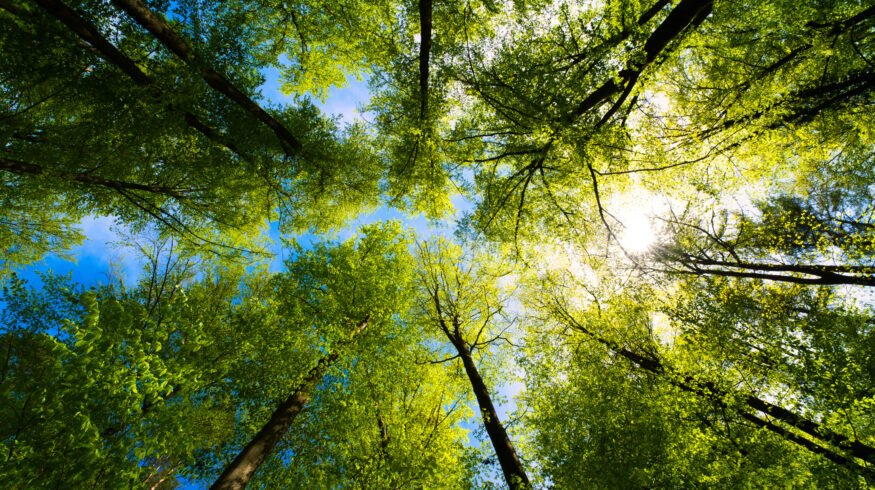

Thinning mountain ash forests can produce substantially larger trees without reducing long-term carbon storage, according to researchers from the University of Melbourne who revisited a decades-old forestry experiment in Victoria, Australia. About 30 years after treatment, the largest trees in thinned plots had diameters around 20% greater than those in unharvested control plots.
The Silvicultural Systems Project was established in 1987–1989 to compare clearfelling with alternative management methods, including thinning that removed 50% to 70% of trees. Researchers returned to the Tanjil Bren site in 2014 and found that thinned stands had recovered the carbon removed during harvesting and recorded carbon gains comparable to those in untreated plots. The study’s authors said larger trees may also be more resistant to fire and more likely to develop hollows used by wildlife.
Camera traps recorded the endangered Leadbeater’s possum in every treated plot surveyed, but not in the unharvested areas. The researchers cautioned that thinning is not suitable for every forest and should not be applied universally. The findings add to evidence from long-term field studies examining how land management affects ecosystems and carbon stocks.
Sources: ScienceDaily

Enjoyed this story?
Every Monday, our subscribers get their hands on a digest of the most trending agriculture news. You can join them too!






Discussion0 comments