

Brazil’s apple exports surge as bumper harvest pressures grower prices

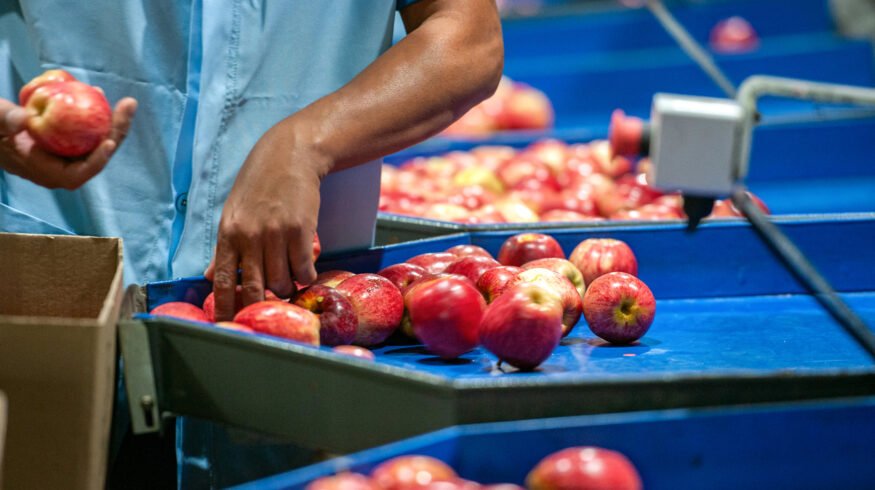

Brazil’s apple industry is turning more aggressively to export markets after a bumper 2025/26 crop and weaker domestic demand squeezed producer returns. The harvest is forecast at 1.2 million metric tons, up 20% from the previous season, according to an October report from the U.S. Department of Agriculture’s Foreign Agricultural Service. Brazil is the world’s ninth-largest apple producer, with production concentrated in Santa Catarina and Rio Grande do Sul and dominated by Gala and Fuji varieties.
The larger crop has intensified pressure on growers. The report says producers received about 30% less for apples than a year earlier as abundant supply coincided with constrained consumer purchasing power. Farm-gate prices for Category 1 conventional apples were reported at 4–5 Brazilian reais per kilogram, while retail prices reached 12–14 reais per kilogram. Labor accounts for about 45% of production costs, and disease and pest treatments add another 30%–35%, leaving growers exposed to rising costs for labor, fertilizers and crop protection products.
Exports rose sharply in the first eight months of 2026 as producers looked beyond the domestic market to clear supplies. Brazil shipped 18,800 metric tons to India, compared with 2,800 metric tons for all of 2025, while exports to Saudi Arabia reached 9,900 metric tons and shipments to Russia totaled 5,400 metric tons. Exports to the European Union reached 8,500 metric tons, up 58.6% from the full-year 2025 volume. The industry association Abrafrutas reported that apple exports increased 180% in early 2026 compared with the same period a year earlier.
Despite the export momentum, international sales remain a relatively small share of Brazil’s output, and the sector faces production risks from weather. Warmer winters can reduce the chilling hours needed for flowering, while rain during bloom can limit pollination and increase fungal disease pressure. The report also notes that the 2026/27 crop could face further challenges if El Niño brings milder winters and above-average rainfall. Longer-term gains are expected to come mainly from orchard renewal, denser plantings, improved rootstocks and better storage rather than significant expansion of planted area, which stands at an estimated 35,000–40,000 hectares.

Enjoyed this story?
Every Monday, our subscribers get their hands on a digest of the most trending agriculture news. You can join them too!






Discussion0 comments