

BloomX raises $13 million to scale robotic pollination technology

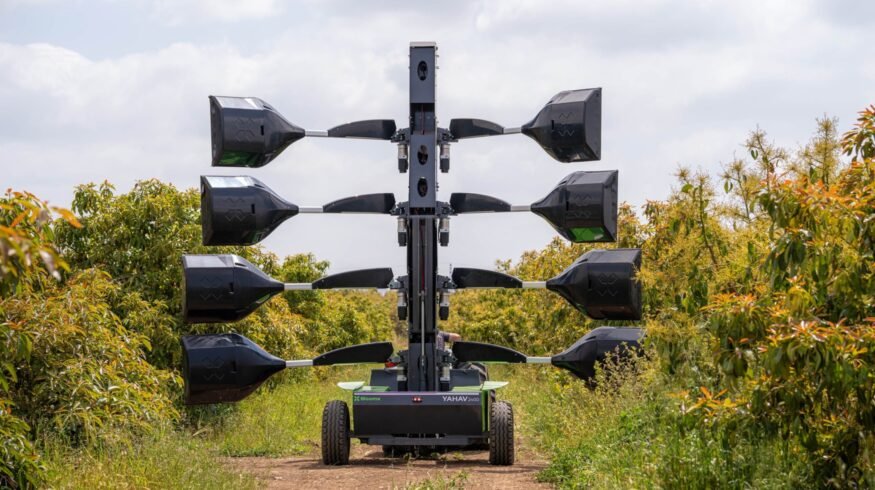

BloomX, an Israeli agricultural technology company developing robotic systems to manage crop pollination, has raised $13 million in a Series A round as it seeks to expand in existing markets and prepare for entry into the United States.
The round was led by Elah Fund, with participation from Rothschild Fund, Sadot Innovation, Tene Fund, OurCrowd, BioBee, Gidulei Sade Dagan, the Mishkey Hevel Aza Group, several kibbutzim, private investors and the Israel Innovation Authority. BloomX said the investment brings its total funding since its 2019 founding to $20 million. The company did not disclose a valuation.
The new capital will support expansion in Peru, Mexico, South Africa and Israel, while preparing the company to enter the U.S. and additional Latin American markets. BloomX also plans to adapt its technology for more crops. Its stated U.S. targets include almond and blueberry growers.
Robotics aims to make pollination a managed input
Pollination is essential to the production of many fruit and specialty crops, but growers have limited control over the availability and effectiveness of natural pollinators. BloomX points to climate-related changes in flowering and pollinator behavior, declining wild pollinator populations and the expansion of farmland as factors increasing pressure on pollination services. Honeybees, meanwhile, are generalist pollinators and may not be the most effective option for every crop.
BloomX develops biomimetic systems that combine robotics with artificial-intelligence-based algorithms. The company says its equipment is designed to work alongside bees rather than replace them, giving growers a more measurable way to support pollination. Its systems are offered through a Pollination-as-a-Service model, allowing growers to use the technology without a large upfront equipment investment.
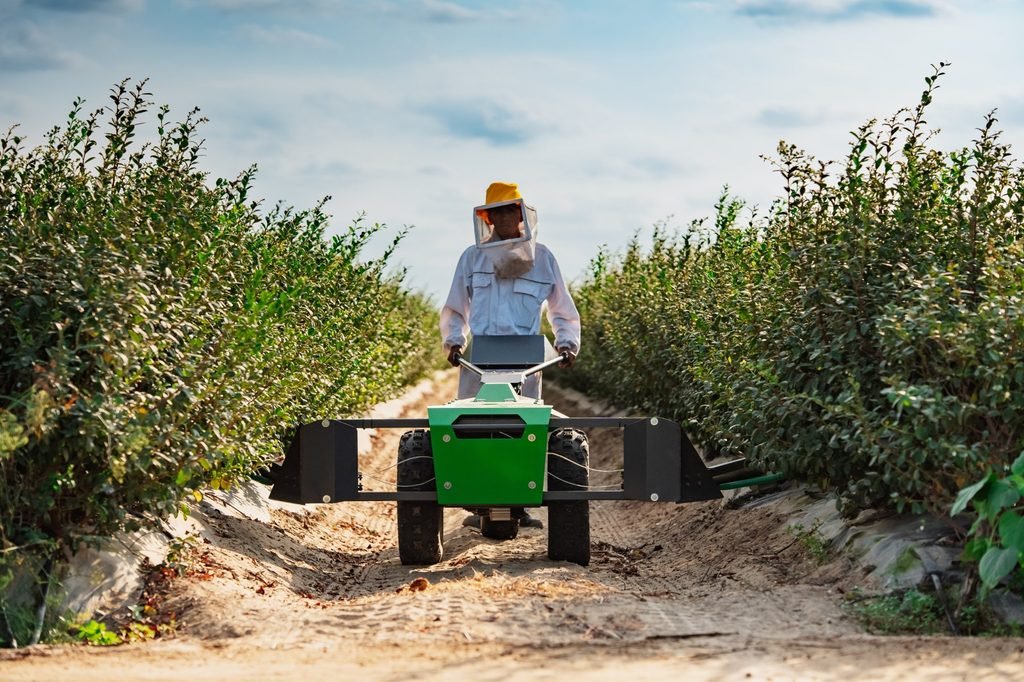
The company has two commercial systems. Robee is designed for blueberries and uses controlled vibration to mimic the buzz pollination performed by bumblebees. The vibration stimulates the plant’s anthers to release pollen, helping transfer it to the stigma.
Its Yahav 2400 system, which entered commercial use in 2026, is designed for avocado orchards. It uses high-voltage electrodes to create a controlled electric field that helps detach pollen from male flowers. The system collects pollen on a technical textile intended to mimic a bee’s body and then transfers it to receptive female flowers.
Company reports yield gains of about 20%
BloomX says growers using its systems, including ACP and Fruitlist (Agrovision) in Peru, Allesbeste in South Africa and Granot Group in Israel, have recorded an average yield increase of about 20%, alongside improvements in fruit size and quality. The company also reports returns on investment of up to 10.5 times, although it did not provide details on the calculations or the range of results across farms.
According to BloomX, a single operator can treat up to 3.5 hectares (about 9 acres) per day. The company says its equipment can also continue operating in extreme weather conditions when bees may be unable to pollinate effectively. Actual performance is likely to depend on crop, orchard conditions, labor, timing and local pollination requirements.
“Over the years, modern agriculture has learned to manage irrigation, fertilization and crop protection with remarkable precision. Pollination, a critical link in fruit production, has remained entirely at the mercy of nature,” said Thai Sade, co-founder and chief executive of BloomX.
Sade said the technology is intended to give growers greater operational and economic certainty while working alongside bees. The company plans to strengthen its presence in current markets and prepare for expansion into more countries and crops.
Investors see a field-tested agricultural technology
Calanit Valfer, managing partner at Elah Fund, said the investment decision was driven by BloomX’s work with agricultural customers and its focus on an existing commercial problem. She described the business as a combination of robotics, AI and agronomic expertise, with potential effects on crop yields, farm economics and food security.
Mark DeSantis, a technology entrepreneur and BloomX strategic adviser who has led companies including Bloomfield Robotics, RoadBotics and kWantera, said pollination supports a substantial share of global specialty-crop production and that the company’s approach could make automated pollination available across more crops and locations.

Enjoyed this story?
Every Monday, our subscribers get their hands on a digest of the most trending agriculture news. You can join them too!






Discussion0 comments