

El Niño cuts Ethiopia sorghum output in Amhara by 240,000 metric tons

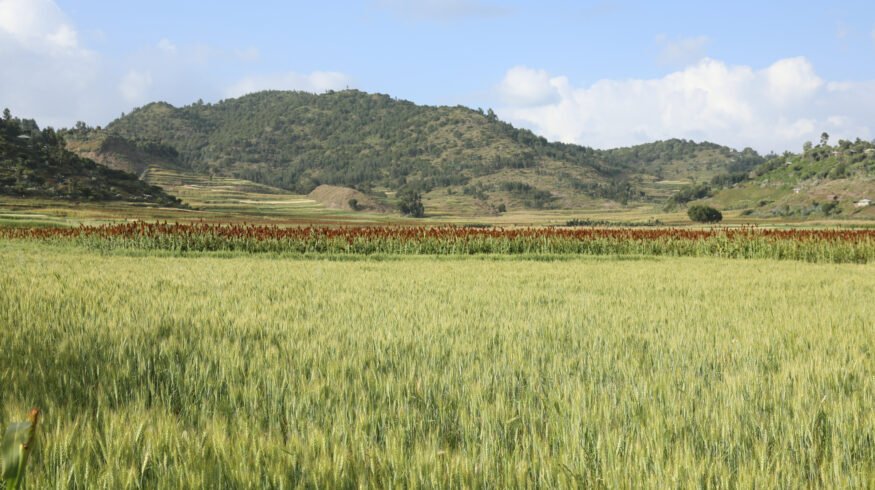

El Niño-related dry spells are expected to reduce Ethiopia’s sorghum production in the Amhara region by about 240,000 metric tons, while crop failures and livestock deaths deepen food-security pressures, according to a Nov. 16 USDA Foreign Agricultural Service report.
The affected Amhara zones normally produce an estimated 800,000 metric tons of sorghum during the main meher season, about 20% of the national crop. Losses in the hardest-hit areas range from 30% to 70%, the report said. In East and West Hararghe, Oromia, sorghum losses exceed 40%.
Rain fell on fewer than 20 days in 88 woredas, causing crop failure; another 67 received only 20 to 35 days of rain. Planting was delayed by about a month nationwide, although wheat in the main production belt remained in good condition.
Prices for cereals in affected markets were more than 50% higher year over year. In Sekota, white sorghum prices were 50% higher in August than a year earlier and nearly 75% above the five-year average. Feed and water shortages reportedly killed more than 37,000 livestock in Abergele woreda. The report said up to 3.7 million people in Tigray and nearly 2.5 million in Amhara need food assistance.
USDA expects humanitarian needs to remain high in 2027, as El Niño could intensify weather extremes through 2027 and the global food crisis risk builds. Forecast above-average October-to-December rains may aid late-planted crops and replenish pasture, while raising flash-flood risks in river basins.
Source: USDA FAS

Enjoyed this story?
Every Monday, our subscribers get their hands on a digest of the most trending agriculture news. You can join them too!








Discussion0 comments