

Global food crisis risk builds as Hormuz cuts 29% of urea trade, S&P Global warns

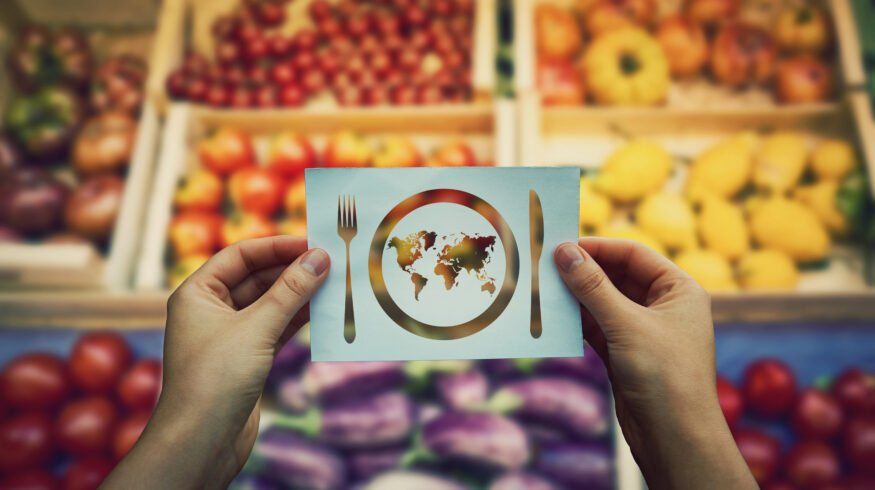

A global food crisis is “no longer a distant risk,” according to a new S&P Global Institute report that links the Strait of Hormuz disruption, a diesel squeeze and a strong El Niño into one compounding shock for farmers. The October 19 paper, written by Daniel Yergin, Shankari Srinivasan, Allan Pickett and Simon Blakey, is the institute’s first major report.
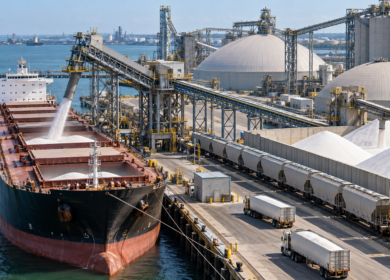
Roughly 29% of global urea trade normally passes through Hormuz, alongside nearly half of seaborne sulfur and about 21% of merchant ammonia, the authors said. South Asia is doubly exposed: Gulf producers supply much of India’s imported urea, while LNG underpins about 85% of India’s domestic urea output. In Bangladesh, four of five urea plants have stopped since March 2026 for lack of LNG.
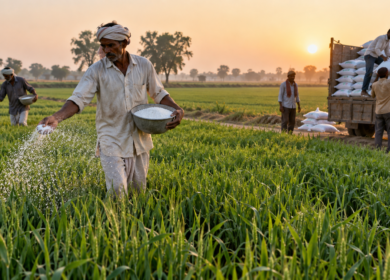
Diesel adds a second squeeze. The crude-to-diesel spread, historically $12 to $20 per barrel, topped $100 in early September, the report said. Faced with both costs, farmers in exposed regions will either cut fertilizer application rates or plant less.
S&P Global has already trimmed its Brazil corn forecast by 6 million tonnes to 137 million tonnes and soybeans by 6 million tonnes to 177 million tonnes, with a probability-weighted soybean estimate of 168 million tonnes once El Niño and reduced phosphate use are factored in. The effect on food prices may lag until 2027, because farmers buy inputs months before selling a crop.
The report lands as a UN mechanism to move fertilizer ships through Hormuz still awaits U.S. and Iranian approval.
Global food crisis risk: key questions answered
The report cites NOAA projections of sea-surface temperatures at least 2 degrees Celsius above normal, a threshold reached in only seven episodes since the 1950s. Strong El Niño events tend to leave crops less resilient to heat and disruptive rainfall.
S&P Global modeling shows Australian wheat could fall to 22 million tonnes against a current forecast of 28 million tonnes. Palm oil faces downside of 5.8 million tonnes in Indonesia and 2.5 million tonnes in Malaysia. India’s rabi wheat carries added risk after September rainfall ran about 14% below average.
The Middle East and Russia normally supply half of global net diesel exports. Middle Eastern exports fell by more than half to under 1 million barrels per day by July 2026, while drone attacks and an export ban pushed Russian diesel exports toward zero. China has also tightened diesel and jet fuel export restrictions.
High oil prices make biofuels more competitive, keeping demand firm for crops and vegetable oils used as feedstock. The authors note biofuels became cheaper than oil-based shipping fuels in Europe in September 2026 for the first time on record, which limits how far crop markets can rebalance toward food.
No. The authors say a crisis is not foreordained, but its elements fall into place if conflict keeps impeding energy and fertilizer flows and weather cuts harvests across several major producing regions at once.

Enjoyed this story?
Every Monday, our subscribers get their hands on a digest of the most trending agriculture news. You can join them too!



Discussion0 comments