

Nutrien fertilizer export terminal wins Longview approval, port plans $110M spend

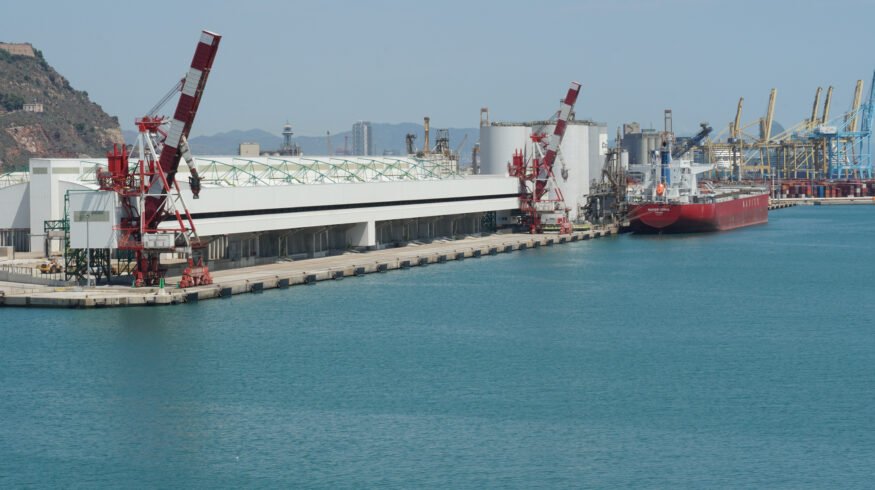

The Nutrien fertilizer export terminal cleared a key approval step on Nov. 16, when Port of Longview commissioners unanimously approved site-development and lease agreements for a potash facility at the vacant Berth 4 waterfront site in Longview, Washington. The agreements move the project into design and permitting, not construction or a final investment commitment by Nutrien.
The terminal is expected to handle 5 million to 8 million metric tons of potash annually. The port will prepare the site and build a dock, while Nutrien will develop the fertilizer terminal. Planning, permitting and construction are expected to extend through 2032 or 2033, according to OPB’s report on the commission vote.
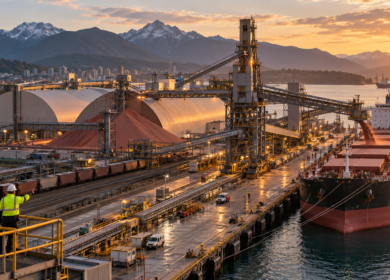
The deal marks a new phase in a redevelopment plan more than a decade in the making. Berth 4 formerly handled grain as the Continental Grain Terminal before closing in 1989. The port is now converting the underused waterfront site into a bulk export facility tied to Canadian potash production.
Nutrien fertilizer export terminal adds potential West Coast capacity
Nutrien says the Longview project would supplement its existing North American export network and address future capacity needs. The company’s current marine terminals include facilities in Vancouver, British Columbia; Portland, Oregon; and Saint John, New Brunswick. Longview offers rail connections, deep-water access and proximity to export markets, according to the company. West Coast potash capacity is also expanding elsewhere, with Canpotex investing C$500 million in its potash export terminal and a record upgrade at Neptune Bulk Terminals.
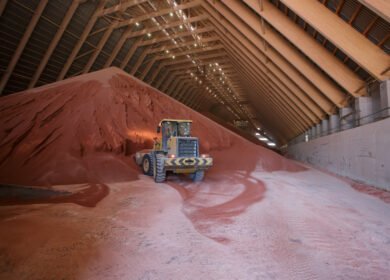
The proposed annual volume would give Nutrien another large outlet for Saskatchewan potash, a potassium fertilizer used in crop production. The port agreement sets a framework for developing the terminal, while the company says additional engineering, environmental work and regulatory decisions remain before it can make a final investment decision. Nutrien expects that decision in the next one to two years, according to its project page.
That distinction matters for supply forecasts. The 5 million to 8 million metric tons is the terminal’s expected handling capacity, not confirmed output, contracted shipments or a firm increase in Nutrien’s production. The terminal would not begin operating until construction is complete, which the port and media reports place around 2032 or 2033.
Port’s $110 million investment carries financing and execution risk
The port expects to spend about $110 million to prepare the site, acquire land, clean contaminated areas and build a dock. Port Commission President Allan Erickson said the investment would require bonds and leave the port in debt for an extended period, OPB reported. The project also involves relocation and right-of-way work for affected properties, as outlined in the port’s meeting materials.
The economic case rests partly on projected local benefits. An analysis by Portland-based ECOnorthwest estimated that, starting in 2032, the project could generate $9.6 million a year in additional Cowlitz County tax and fee revenue and support 193 long-term jobs. The analysis also estimated 650 construction jobs between 2027 and 2032. These are forecasts, not guaranteed results; both the construction schedule and Nutrien’s investment decision remain outstanding.
Port spokesperson Dale Lewis told OPB that the partnership could eventually account for about one-third of the port’s revenue. That would make Berth 4 a consequential source of income for the port, while also concentrating a larger share of its finances around one long-term project. The port’s financing exposure therefore depends on the terminal moving from agreements to construction and operations.
Final investment decision remains a key milestone
Nutrien has not made a final investment decision. The company says it may proceed only after further engineering, environmental review and regulatory decisions. Under the site-development agreement’s feasibility period, the company may withdraw before deciding to invest, subject to repaying the port’s project costs to date, according to the port’s meeting packet.
For fertilizer buyers and traders, the approval is a step toward additional export infrastructure rather than an immediate change in potash availability. The next indicators are Nutrien’s investment decision, the outcome of design and permitting, and the port’s progress preparing Berth 4. Until those milestones are met, the proposed capacity and local economic benefits remain contingent on a project that is still years from operation.
Source: OPB

Enjoyed this story?
Every Monday, our subscribers get their hands on a digest of the most trending agriculture news. You can join them too!



Discussion0 comments