

Crop protection R&D costs climb to $307M as regulatory burden lengthens development timelines

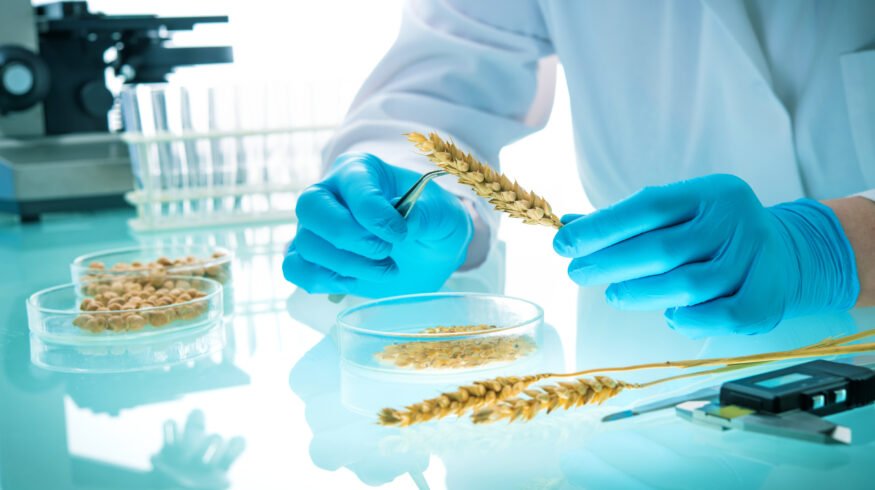

A new study commissioned by CropLife International and conducted by AgbioInvestor found that bringing a new crop protection product to market now costs an average of USD 307 million and requires 11.4 years of development, underscoring the mounting financial and regulatory pressures facing the agrochemical industry.
The 2026 benchmark study showed development costs increased by USD 21 million compared with the last comparable industry assessment in 2014, while overall timelines remained largely unchanged despite advances in discovery technologies and screening efficiency. According to the report, the largest increases were tied to expanding regulatory data requirements and more complex submission processes rather than to laboratory discovery work itself.
Researchers found that expenditures related to toxicology, environmental safety and residue studies have risen steadily as regulators demand more comprehensive datasets before approving new products for commercial use. The report said the cost estimate covers the full process from early-stage discovery screening through regulatory registration and commercialization.
Biological crop protection products, including microbial-based biofungicides and bioinsecticides, now represent about 10% of total agrochemical R&D investment among CropLife International member companies, up sharply from a negligible share a decade ago. Major agricultural input companies including Syngenta, Bayer, BASF and Corteva Agriscience have expanded investments in biological platforms as growers seek alternatives and complements to conventional synthetic chemistry.
Despite that shift, the study found biological products continue to face regulatory review timelines that are broadly comparable to those for conventional chemical crop protection products, limiting the speed at which new biological technologies reach the market.
CropLife International used the findings to advocate for regulatory modernization in the U.S. and Europe, arguing that more transparent, science-based and predictable approval systems are needed to sustain innovation. The organization also emphasized the importance of intellectual property protection as companies weigh the long-term risks associated with developing new active ingredients.
The study highlighted the high attrition rate in agrochemical discovery, noting that historical industry data suggest roughly 140,000 compounds are screened to produce a single registered active ingredient. As a result, the effective cost per successful commercial launch across a broader research portfolio is substantially higher than the headline USD 307 million figure.
The report comes amid renewed restructuring across the global agricultural input sector. Corteva Agriscience is preparing a planned fourth-quarter 2026 separation into Vylor, focused on seeds and genetics, and a standalone crop protection company. Industry analysts say the extended development cycle means R&D investment decisions made today will shape the crop protection technologies available to farmers well into the late 2030s.
Source: AgriBusiness Global

Enjoyed this story?
Every Monday, our subscribers get their hands on a digest of the most trending agriculture news. You can join them too!





Discussion0 comments