

Iran and Oman agree on Hormuz safe shipping route coordinates in key step for fertilizer trade



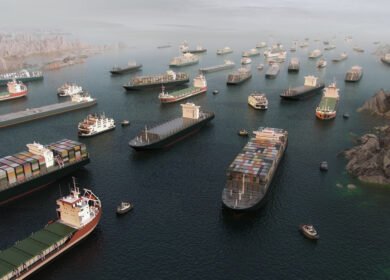
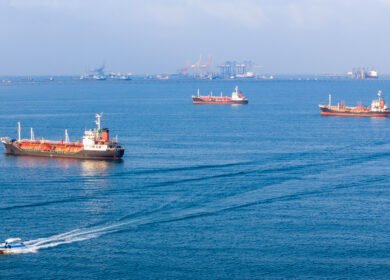
Iran and Oman have agreed on the geographic coordinates for a proposed safe commercial shipping route through the Strait of Hormuz, according to multiple reports from early August. The Hormuz safe shipping route would create a designated transit lane through Iranian and Omani territorial waters, potentially allowing commercial vessels to resume passage through the critical chokepoint for the first time since the conflict shut down regular traffic earlier this year.
The agreement on coordinates represents the most concrete progress in Hormuz negotiations since the conflict began. Oman, which has maintained diplomatic relations with both Iran and Western nations, has served as the primary mediator. Details on the width of the proposed lane, vessel screening procedures, insurance requirements and a timeline for implementation have not been publicly confirmed.
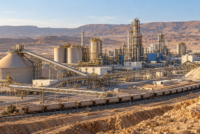
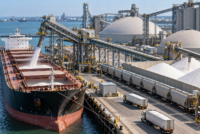
The Strait of Hormuz handles roughly 20% of global seaborne fertilizer trade under normal conditions, including large volumes of urea, ammonia and sulfur from Middle Eastern producers. The blockade removed an estimated 4 to 4.5 million metric tons of urea and approximately 1 million metric tons of ammonia from traded supply, according to CF Industries estimates. More than half of globally traded sulfur also transits the strait, creating a cascading shortage that has curtailed phosphate production worldwide.
Markets have already begun pricing in the possibility of a partial reopening. Urea prices fell to $386 per metric ton on August 11, down more than 7% over the past month. However, analysts caution that damaged port infrastructure and the need for new insurance arrangements could delay any meaningful resumption of commercial shipping even after a diplomatic framework is in place.
Source: CNN

Enjoyed this story?
Every Monday, our subscribers get their hands on a digest of the most trending agriculture news. You can join them too!



Discussion0 comments