

Local African rocks could offer a new source of potassium fertilizer


Researchers in Morocco have developed a process that could turn locally available potassium-rich rocks into a fertilizer alternative to conventional potash. The team, led by Abdellatif Elghali of Mohammed VI Polytechnic University, used chemical and heat treatment to make potassium in syenite rocks more soluble and accessible to crops.
Potash remains the dominant source of potassium fertilizer, but much of the world’s production is concentrated in the Northern Hemisphere, including Canada, Russia and Germany. For African farmers, reliance on imported fertilizer can increase costs and expose supplies to disruptions. Researchers also say conventional potassium salts can be highly soluble, resulting in nutrient losses through leaching and contributing to soil salinity because of their chlorine content.
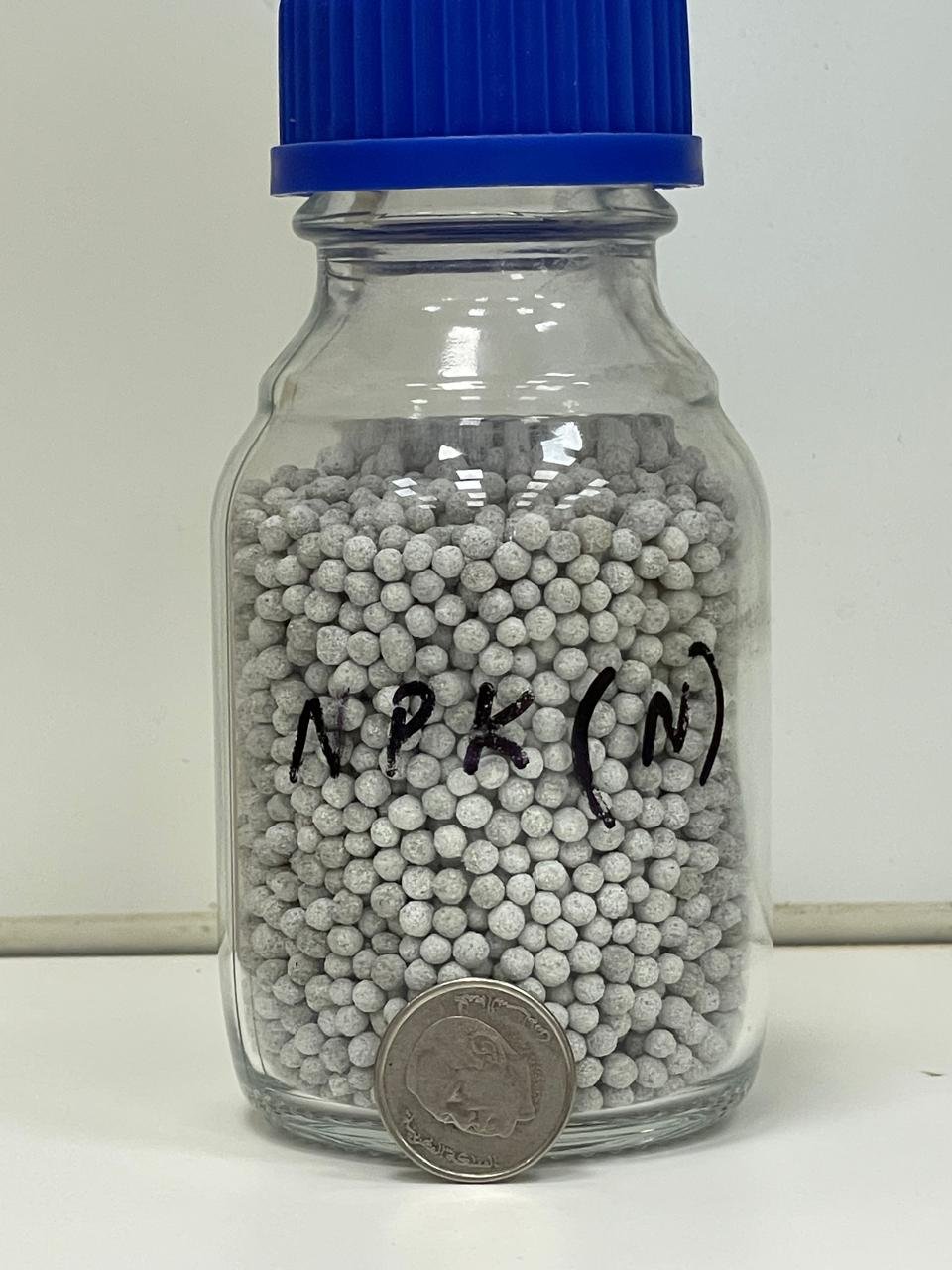
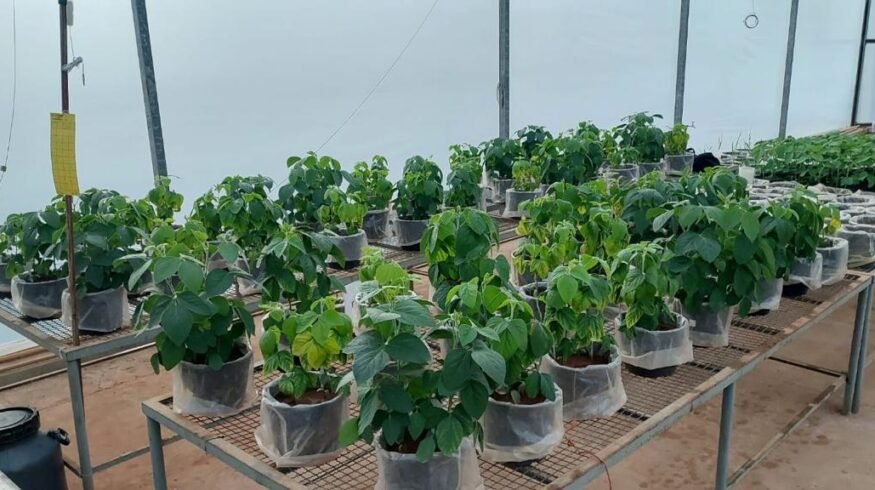
The Moroccan team crushed the rocks, treated them with water and alkaline or acidic agents, and heated the mixture to just below 200°C. Laboratory tests found that the modified material released potassium and calcium rapidly at first and then more gradually, while also supplying silicon and magnesium. Corn and soybean plants were able to absorb the nutrients at levels comparable to those achieved with conventional potash fertilizer. Synchrotron analyses at the Canadian Light Source helped researchers determine how the treatment altered the minerals and released potassium. The findings were published in Minerals Engineering.
The researchers now plan larger field trials to assess the fertilizer’s performance at commercial scale and determine whether the production process can be made sufficiently simple and cost-effective. If successful, the technology could provide African farmers with a locally sourced potassium fertilizer and reduce dependence on imported mineral inputs.

Enjoyed this story?
Every Monday, our subscribers get their hands on a digest of the most trending agriculture news. You can join them too!








Discussion0 comments