

Trump extends Jones Act waiver 90 days, keeping foreign ships on U.S. fertilizer routes

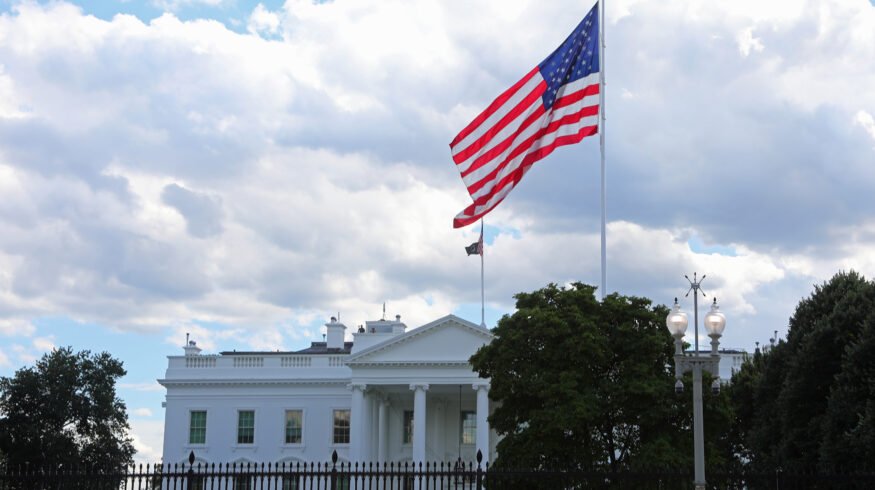

President Donald Trump extended the Jones Act waiver for another 90 days on August 10, allowing foreign-flagged vessels to continue carrying fertilizer, oil, natural gas and coal between U.S. ports. The extension takes effect August 17 and marks the third renewal since Trump first suspended the century-old cabotage law on March 17 to ease supply pressures after the start of the war with Iran.
Unlike the two earlier extensions, the latest round requires the Department of Defense to consult with the U.S. Maritime Administration before determining whether individual voyages qualify for the Jones Act waiver. The added oversight layer responds to criticism from domestic shipowners and some lawmakers who argue the blanket exemption undermines the U.S.-flagged fleet. Since the waiver took effect, at least three voyages have moved anhydrous ammonia aboard foreign-flagged LPG tankers, according to Cato Institute tracking data.
The renewal signals that the administration expects continued supply chain pressure from the Strait of Hormuz, which remains only partially open to commercial traffic. About one-third of globally traded fertilizer typically transits the strait, and vessel movements remain well below pre-conflict levels despite periodic diplomatic progress between Washington and Tehran. The Jones Act waiver now covers 671 distinct commodity categories, including ammonia, urea, sulfur, phosphate and potash products.
Source: Associated Press via BNN Bloomberg
What to know about the Jones Act waiver for fertilizer
The Jones Act, formally the Merchant Marine Act of 1920, requires cargo shipped between U.S. ports to travel on vessels that are U.S.-built, U.S.-owned and U.S.-crewed. Trump waived these requirements on March 17, 2026 to increase the flow of oil, natural gas and fertilizer after the Iran war disrupted global shipping lanes through the Strait of Hormuz.
The waiver covers 671 commodity categories, including ammonia, urea, sulfur, phosphate fertilizers, potash, coal and refined petroleum products. At least three shipments of anhydrous ammonia have moved on foreign-flagged LPG tankers since the waiver took effect, according to Cato Institute tracking data.
The third 90-day extension introduces a new oversight requirement: the Department of Defense must consult with the Maritime Administration on vessel availability before each voyage can use the waiver. Previous extensions did not include this per-voyage screening step.
The Jones Act restricts the pool of vessels that can move fertilizer between domestic ports, which can raise costs and slow deliveries during supply crunches. By allowing foreign-flagged ships to carry ammonia, urea and other inputs along U.S. coastlines, the waiver helps keep distribution costs down during a period when fertilizer prices remain well above pre-conflict levels.
The 90-day extension takes effect August 17, 2026, putting its expiration around mid-November 2026. The administration has not indicated whether further renewals are planned, but the continued instability in the Strait of Hormuz suggests additional extensions remain possible.

Enjoyed this story?
Every Monday, our subscribers get their hands on a digest of the most trending agriculture news. You can join them too!






Discussion0 comments